 Durable Machinery
Get Price
8 Benefits of Using Concrete Pumps in Construction
Construction projects often encounter challenges regarding speed, cost, and safety. Concrete pumps offer transformative solutions. These machines significantly improve overall operational success. Experts in construction equipment have observed the profound impact of this technology. Concrete pumps reshape project management, quality control, and sustainable building practices. They represent more than simple machinery. They serve as strategic tools. This analysis explores eight core concrete pump advantages. These benefits drive higher construction project efficiency and deliver substantial value to modern building endeavors.
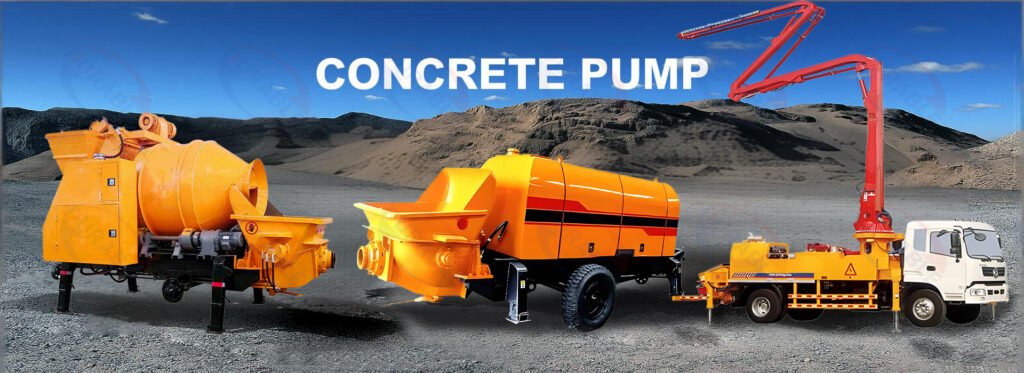
Table of Contents
- How Do Concrete Pumps Accelerate Project Timelines?
- How Do Concrete Pumps Lower Operational Costs?
- How Do Concrete Pumps Improve Site Safety?
- How Do Concrete Pumps Ensure Precise Material Delivery?
- How Do Concrete Pumps Enhance Concrete Quality?
- How Do Concrete Pumps Reduce Material Waste?
- How Do Concrete Pumps Support Green Construction?
- What Makes Concrete Pumps So Versatile?
- How Does One Select the Right Concrete Pump?
- Frequently Asked Questions
- Summary and Recommendations
- About Durable
How Do Concrete Pumps Accelerate Project Timelines?
Concrete pumps drastically accelerate project timelines. They streamline the concrete placement process. Traditional methods, like using cranes with buckets or manual wheelbarrows, involve many steps. These methods also demand significant time. Conventional approaches are slow. They create bottlenecks, especially for large concrete volumes. A concrete pump provides a continuous, high-volume concrete flow directly to the pour site. This direct delivery mechanism removes the need for intermittent transportation. Intermittent transportation traditionally consumes valuable project time.
Modern concrete pumps deliver hundreds of cubic meters of concrete per hour. This capability allows faster pouring of massive foundation slabs, structural walls, and high-rise floor plates. Accelerated pouring phases directly contribute to a shorter construction period. Shorter construction periods reduce overall project management costs. They also enable earlier asset completion and handover. This allows quicker utilization and revenue generation. Concrete pumps are indispensable for efficient progress. This represents a primary concrete pump advantage in today’s fast-paced construction environment.
How Do Concrete Pumps Lower Operational Costs?
Concrete pumps significantly lower overall concrete pouring cost. They optimize resource allocation, especially labor. Traditional concrete placement methods demand a large workforce. This workforce handles material transport, spreading, and initial leveling. These tasks include many workers pushing wheelbarrows or guiding crane buckets. Such labor-intensive processes contribute substantially to a project’s operational budget. A concrete pump automates the material transportation phase. This means fewer personnel are necessary for direct concrete handling.
Only a few operators manage the equipment and guide the hose or boom. This direct reduction in required labor translates into substantial savings on wages. Associated benefits also see reductions. More importantly, it allows skilled workers to focus on value-added tasks. They concentrate on formwork installation, rebar tying, and concrete finishing. These tasks cannot be automated. This strategic shift in labor deployment optimizes human resource utilization across the entire project. The outcome is a more cost-effective operation. Reduced labor costs, combined with faster pour times, contribute to lower overall project expenditure. This improves profit margins.
Optimizing Project Management with Concrete Pumps
- Reduced Idle Time: Minimizes periods where expensive equipment, such as cranes, waits for concrete delivery.
- Lower Overtime Costs: Faster pours mean less need for extended working hours to meet deadlines.
- Streamlined Logistics: Simplifies site planning and reduces congestion from multiple transport vehicles.
| Cost Factor | Traditional Methods | Using Concrete Pumps | Impact on Construction Projects |
|---|---|---|---|
| Labor for Transport | High (many manual laborers) | Low (few operators) | Significant labor cost reduction |
| Equipment Rentals | Crane, buckets, vehicles | Concrete pump only | Streamlined equipment needs |
| Project Overheads | Longer duration | Shorter duration | Reduced overall project overheads |
How Do Concrete Pumps Improve Site Safety?
Construction sites present inherent hazards. Concrete pumps play a crucial role in enhancing construction safety. They significantly reduce common risks associated with concrete placement. Traditional methods involve extensive movement of personnel and heavy equipment. Workers carry heavy loads. Cranes swing large buckets of concrete overhead. These activities create numerous accident opportunities. A concrete pump minimizes this direct exposure.
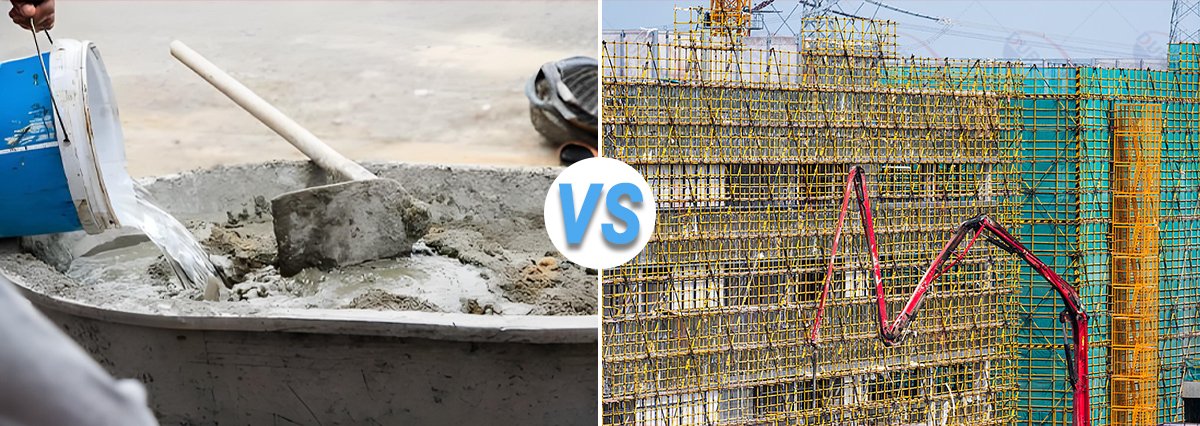
The pump delivers concrete through a sealed pipeline or an articulated boom. This eliminates the need for many workers to manually transport concrete. Manual transport often occurs across potentially uneven terrain. It also reduces the presence of multiple vehicles. Vehicles like dumpers or wheelbarrows can cause collisions. Fewer personnel mean fewer people exposed to potential hazards. Hazards include trips, falls, or being struck by moving objects. The controlled delivery process also prevents concrete spills. Spills create slippery surfaces. By reducing manual handling and vehicular traffic, concrete pumps create a safer work environment. This significantly lowers the risk of injuries and promotes overall site safety.
How Do Concrete Pumps Ensure Precise Material Delivery?
Concrete pumps excel at ensuring precise material delivery. This is especially true in challenging construction scenarios. High-rise buildings, structures with long horizontal reaches, or sites with complex terrain present significant logistical hurdles for concrete placement. Traditional methods struggle with these conditions. For instance, lifting concrete to great heights using cranes is slow. Crane capacity also limits this method. Transporting concrete over long distances manually is labor-intensive and impractical.
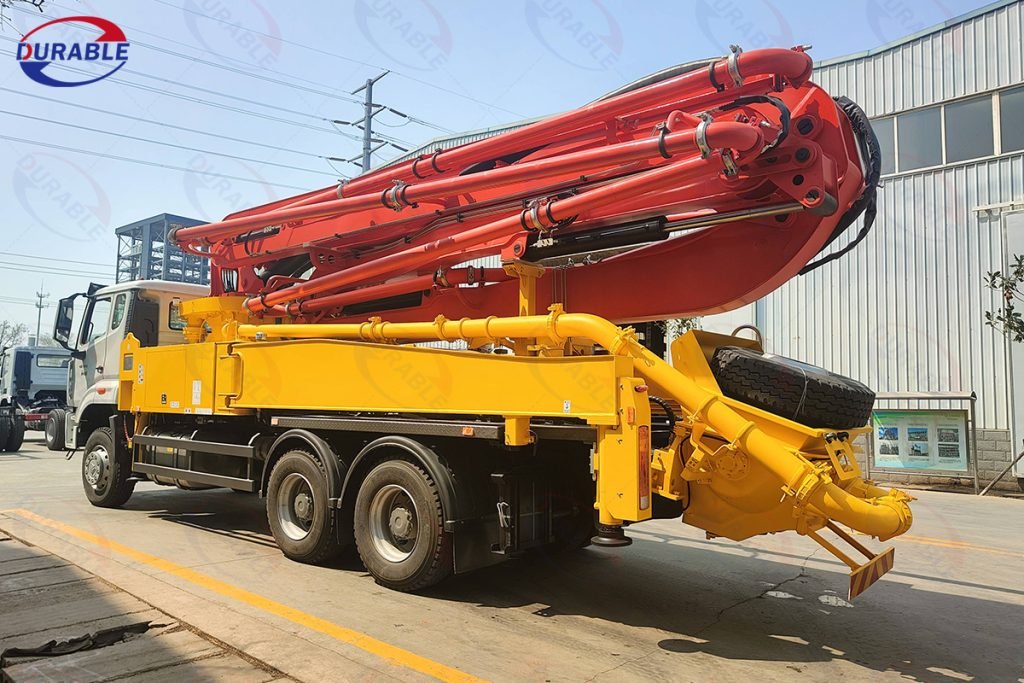
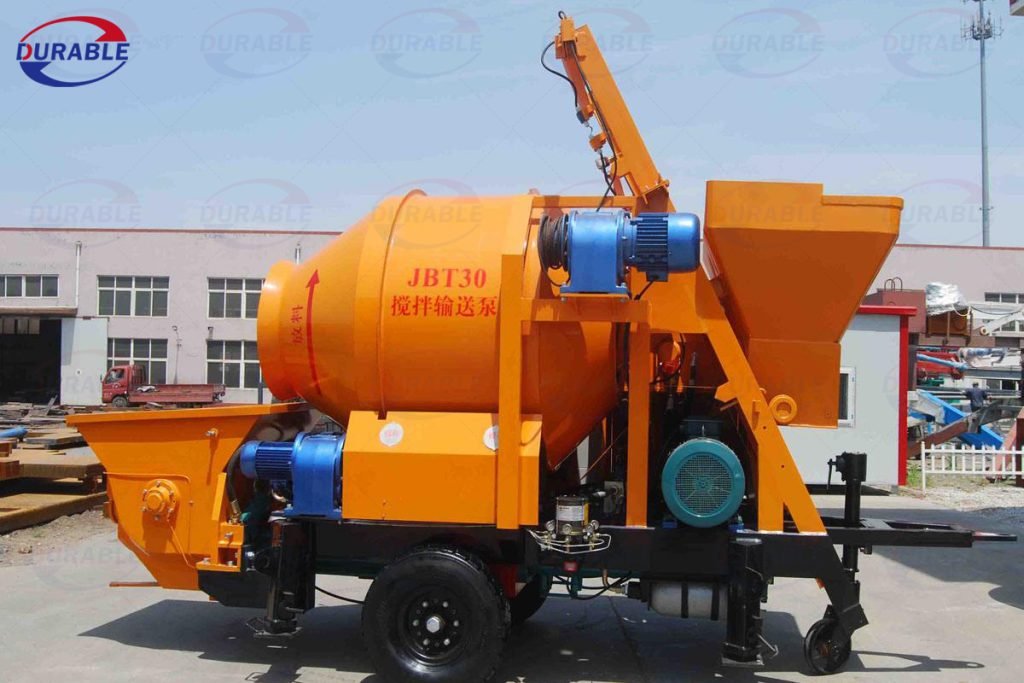
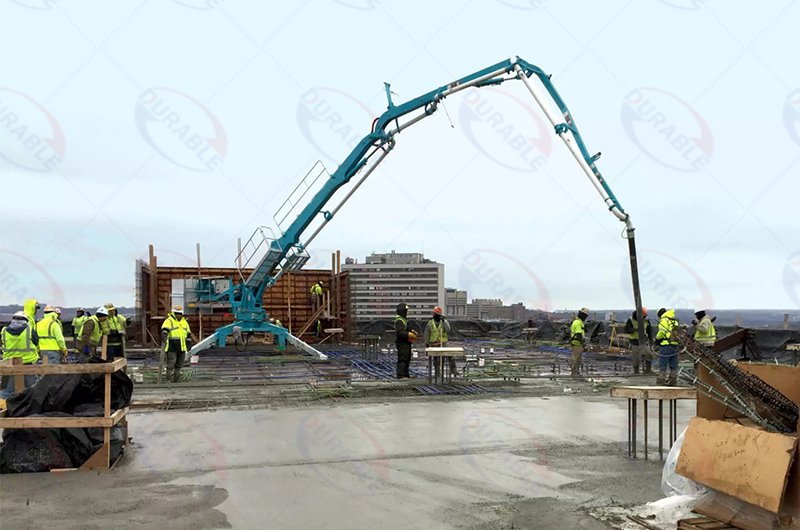
A concrete pump overcomes these limitations effortlessly. A concrete boom pump extends its articulated arm hundreds of feet vertically or horizontally. It reaches almost any point on a construction site. This allows seamless, direct concrete placement exactly where it is needed. For ground-level pours or tunnels, concrete mixer pumps use pipelines. These pipelines transport concrete over vast distances. This precise delivery capability minimizes concrete rehandling. It also reduces spillage and waste. The ability to deliver concrete accurately to its destination represents a significant factor in achieving project goals efficiently.
How Do Concrete Pumps Enhance Concrete Quality?
Concrete pumps play a crucial role in enhancing concrete quality. They also ensure structural durability. Concrete quality is paramount for the long-term performance and safety of any structure. Traditional transport methods often expose concrete to environmental factors. Air exposure causes rapid moisture evaporation. This leads to premature drying. Contamination from dust or debris on site also poses a risk. Such issues compromise the concrete’s designed properties.
Concrete pumps deliver the material through a sealed pipeline. This closed system protects the concrete from external elements. It prevents moisture loss and contamination. It also maintains the concrete’s consistency and workability (slump). This occurs from the batching plant to the pour site. The continuous, uniform pumping action reduces the risk of aggregate segregation. Segregation occurs when heavier aggregates separate from lighter cement paste. This leads to inconsistent strength within the poured structure. By preserving homogeneity, concrete pumps ensure a dense, uniform final structure. They also prevent defects like cold joints or voids. This ultimately contributes to superior strength, durability, and impermeability. These factors are vital for long-term structural integrity. This represents a critical concrete quality control measure.
How Do Concrete Pumps Reduce Material Waste?
Concrete pumps are highly effective at reducing material waste. This contributes to both economic and environmental benefits on a construction site. Traditional concrete placement methods, especially those involving multiple transfers or manual handling, often result in significant spillage and overflow. Each time concrete moves or transfers, some material is lost. Loss occurs due to spillage, adherence to equipment, or imprecise placement. This wasted concrete represents a direct financial loss from purchased materials. It also adds to disposal costs and environmental impact.
Concrete pumps facilitate precise pouring. Controlled delivery through a hose or boom allows accurate placement directly into the formwork. This minimizes overflow and spillage on the surrounding area. The ability to deliver concrete directly to the exact point of need means less concrete loss. Fewer manual adjustments or secondary movements become necessary. This precise pouring capability translates into a substantial reduction in material loss. Reduced waste means fewer raw materials consumed. It also means less expense on disposal and more efficient resource use. This efficiency directly impacts the project’s bottom line. It lowers overall material costs and improves profitability. This is a key benefit for sustainable construction.
How Do Concrete Pumps Support Green Construction?
Modern construction increasingly emphasizes sustainable practices. Concrete pumps contribute significantly to green construction goals. The environmental impact of construction projects is a growing concern. This impact includes factors such as fuel consumption, emissions, noise pollution, and waste generation. Concrete pumps offer solutions to mitigate several of these concerns. Their ability to precisely deliver concrete minimizes material waste. This directly reduces the demand for new raw materials. It also lowers the volume of construction debris requiring disposal.
Furthermore, concrete pumps can reduce a project’s overall carbon footprint. They often replace multiple concrete mixer trucks. These trucks might otherwise idle for extended periods or make numerous trips to and from the site. This leads to reduced fuel consumption and lower exhaust emissions from heavy vehicles. Modern pumps also operate more quietly than some traditional equipment. This reduces noise pollution in urban environments. By promoting efficiency, reducing waste, and minimizing vehicular impact, concrete pumps align with efforts to achieve more environmentally responsible and sustainable construction practices.
What Makes Concrete Pumps So Versatile?
Exceptional versatility and site adaptability make concrete pumps invaluable tools. They serve diverse construction projects. Construction sites vary widely in scale, geographical location, and specific conditions. Some projects might occur in confined urban spaces. Others might be on rugged mountainous terrain. Still others might involve expansive open fields. Traditional concrete placement methods often struggle to adapt to such a wide range of environments. They might require extensive modifications or entirely different equipment for each unique challenge.
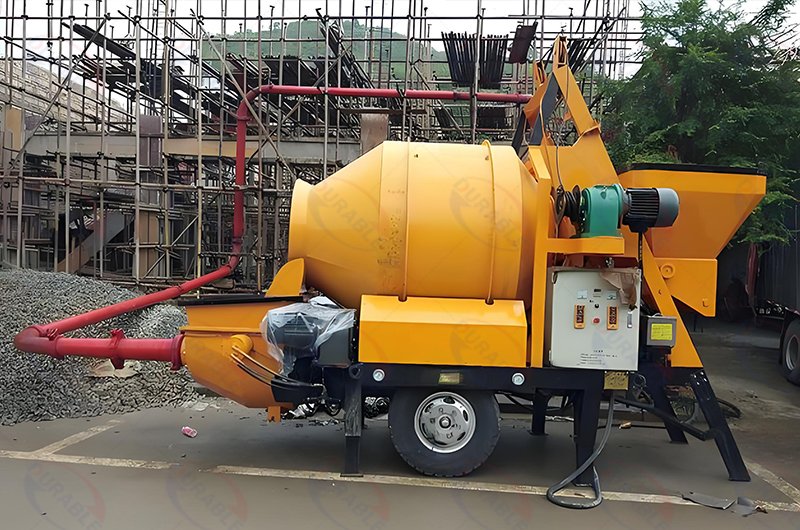
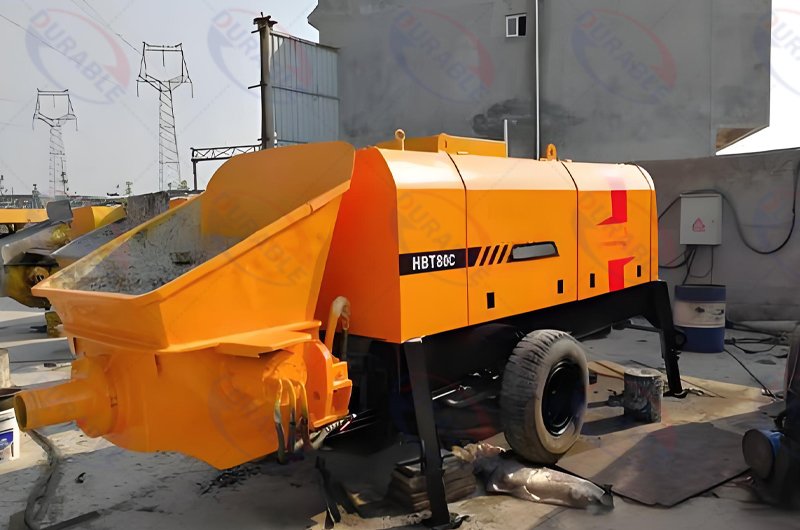
Concrete pumps, however, offer a broad spectrum of types and configurations. This ensures an optimal solution for almost any site. Concrete boom pumps offer high flexibility with their articulating arms. They are ideal for multi-story buildings or large horizontal spreads. Concrete mixer pumps combine mixing and pumping functions. They are perfect for smaller projects or remote locations. Trailer-mounted pumps provide excellent mobility for ground-level pours over long distances. This inherent adaptability means one type of equipment effectively serves a diverse range of project requirements. This versatility translates into a higher return on investment for construction companies. It provides a reliable and efficient solution for any construction challenge.
How Does One Select the Right Concrete Pump?
Selecting the right concrete pump represents a critical decision. It influences project efficiency and profitability. This choice requires careful consideration of several key factors specific to the construction project.
- Project Scale and Volume: Determine the total concrete volume required. Also, determine the desired pumping rate (cubic meters per hour). Large-scale, high-volume projects typically benefit from larger concrete boom pumps or powerful line pumps.
- Pumping Distance and Height: Assess the maximum horizontal and vertical distance concrete needs for delivery. This dictates the required pumping pressure. It also determines the necessary length of the boom or pipeline. For extreme heights, specialized high-pressure pumps are necessary.
- Site Accessibility: Consider the physical constraints of the construction site. Boom pumps require clear space for their outriggers and boom extension. Trailer-mounted pumps or concrete mixer pumps might suit congested or hard-to-reach areas better.
- Concrete Mix Design: Evaluate the type of concrete for pumping. Some mixes, especially those with larger aggregates or low slump, require pumps with specific features. These features help avoid blockages.
- Budget and ROI: Balance the initial investment cost with long-term benefits. These benefits include labor savings, speed, and quality. A higher-capacity pump might have a higher upfront cost. However, it offers significant savings over the project’s lifetime.
Consulting with an experienced manufacturer like Durable Machine is crucial. The company helps analyze these factors. This process recommends the most suitable concrete pump selection. It ensures optimal performance and value for specific needs.
Frequently Asked Questions
Question 1: What distinguishes a boom pump from a line pump?
A boom pump features an articulated robotic arm, or boom. It places concrete precisely from above. A line pump uses flexible hoses. Workers manually connect and guide these hoses at ground level. They transport concrete over distances or to lower heights.
Question 2: Can concrete pumps manage all concrete mix designs?
Most standard concrete mixes are pumpable. However, extremely harsh mixes, such as very dry ones or those with very large aggregates, might require special pump configurations. Adjustments to the mix might also prevent blockages.
Question 3: How often do concrete pumps require maintenance?
Regular preventive maintenance is crucial. It ensures optimal performance and longevity. Daily checks are essential. Scheduled weekly, monthly, and annual services are also typically necessary. Requirements depend on usage hours and manufacturer recommendations.
Summary and Recommendations
Concrete pumps are indispensable assets in modern construction. They offer a compelling array of concrete pump advantages. They fundamentally transform construction project efficiency. This occurs by accelerating timelines, significantly lowering concrete pouring cost, and enhancing construction safety. Beyond these core benefits, they ensure precise material delivery. They also elevate concrete quality, minimize material waste, and support environmentally responsible green construction. The exceptional versatility of these machines further ensures their adaptability to virtually any project challenge.
Project managers seeking to optimize operations achieve superior outcomes. Investing in the right concrete pump represents a strategic decision. Durable Machine, with its extensive experience since 2001, offers a comprehensive range of high-quality concrete pumps. This includes concrete boom pumps and concrete mixer pumps. The company’s expertise helps clients select ideal equipment. This equipment is tailored to their specific project requirements. To learn more about how a Durable concrete pump enhances project profitability and efficiency, contact Durable’s sales team today.
About Durable
Durable Machine, established in 2001, is a professional Chinese manufacturer. It specializes in B2B construction and mineral processing equipment. Based in Zhengzhou, the company focuses on the research, development, and production of robust machinery. This includes a wide range of concrete equipment. Examples are concrete boom pumps, concrete mixer pumps, and self-loading concrete mixers. State-of-the-art facilities and stringent quality control measures ensure complete customer satisfaction. Durable proudly exports its high-performance products to over 120 countries. It offers factory-direct solutions for diverse global construction needs.