 Durable Machinery
Get Price
How to Get the Best Price for a Brick Making Machine?2025
Planning a brick machine budget for 2025 is critical. Understanding associated costs is essential. This article outlines price ranges. It explains influencing factors. Decades of industry experience indicate that precise future price prediction is challenging. However, trends and key considerations can be forecasted. This article focuses on various machine classes. It also covers the total cost of ownership. These aspects hold greater significance than the initial sticker price alone.
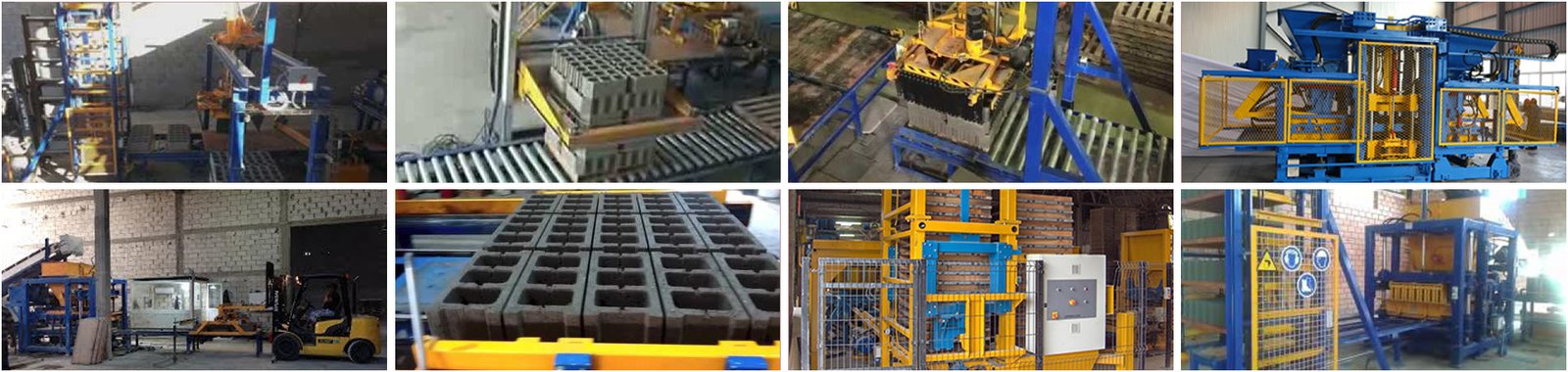
Table of Contents
- Why Is Planning a Brick Machine Budget for 2025 Critical?
- What Is the Estimated Price Range for a Brick Making Machine in 2025?
- What Key Factors Influence a Brick Making Machine’s Price?
- How Do Different Automation Levels Impact Machine Cost?
- What Hidden Costs Should Be Budgeted Beyond the Machine Price?
- How Do Raw Material & Energy Costs Affect Long-Term Investment?
- What Are the Main Differences Between Entry-Level & Advanced Machines?
- How Can Best Value Be Ensured for a 2025 Brick Machine Investment?
- What Market Trends Could Affect Brick Machine Prices in 2025?
- How Does DURABLE Deliver Exceptional Value and Transparency?
- What Financing Options Are Available for a 2025 Purchase?
- Ready to Plan? How Can DURABLE Assist in Building a 2025 Budget?
- Common Questions About Brick Machine Prices
- Summary and Advice
- Why Choose DURABLE?
Why Is Planning a Brick Machine Budget for 2025 Critical?
Planning a brick machine budget for 2025 is vital. This is true for any capital investment. A clear financial roadmap is necessary. Unexpected costs can derail projects. A well-planned budget considers all expenses. This includes the initial purchase. It covers long-term operational needs. Effective planning prevents financial surprises. It ensures project success.
Market conditions are subject to continuous change. Inflation affects prices. Supply chains face disruptions. Energy costs fluctuate. These factors influence equipment prices. They also impact operating expenses. Anticipating these changes is crucial. This allows for informed decisions. It secures investments. DURABLE assists clients in navigating these complexities. This ensures investment soundness.
What Is the Estimated Price Range for a Brick Making Machine in 2025?
Prices are always in flux. Steel prices, energy costs, freight, and currency exchange rates all play a part. The ranges below are broad estimates in USD. They are for new equipment. They assume continued inflation. These prices are based on decades of observation.
I. Interlocking Brick Making Machines (for CSEB)
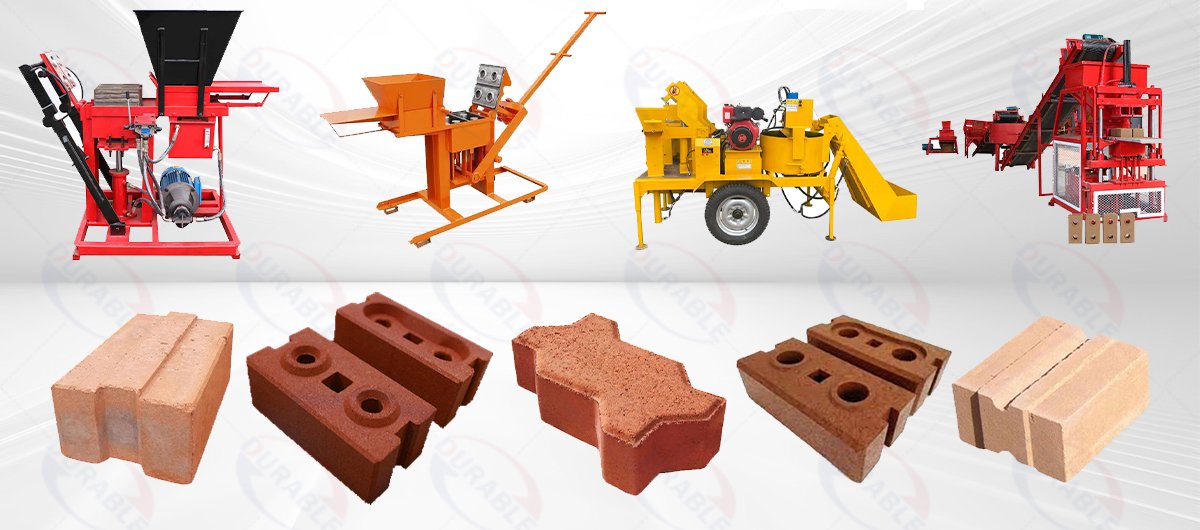
This is a specific niche. Simplicity meets profound utility here. The “soil machine” philosophy applies strongly.
- Manual/Lever-Operated (e.g., small single-block presses):
- Estimated Price Range (2025): $500 – $3,000 USD
- These are entry-level machines. Suitable for micro-enterprises, humanitarian projects, and very small-scale individual construction, these machines require significant manual labor.Output is low (100-300 bricks/day). Their price ties to steel quality. It also ties to mold precision. Minor increases are expected. This is due to raw material and labor costs.
- Small Hydraulic (Diesel/Electric, Mobile or Semi-Mobile):
- Estimated Price Range (2025): $8,000 – $35,000 USD
- These machines are workhorses. They are for small-to-medium scale projects. Power might be intermittent. Mobility is key. Production rates are typically 1,000-3,000 bricks/day. The price difference depends on hydraulic system quality. It depends on engine brand, steel gauge, and control sophistication.Moderate increases are expected. This is due to higher engine/motor costs. It also comes from advanced hydraulic components.
- Medium-Sized Hydraulic (Stationary, Electric, often Multi-Block):
- Estimated Price Range (2025): $25,000 – $70,000 USD
- These machines are for established operations. They need a stable power supply, aim for higher consistency and volume (3,000-8,000 bricks/day), often have better control systems, and are built with heavier construction.The upper end might include basic conveyors for feeding. This range will be sensitive to global steel prices. It also reacts to the cost of quality hydraulic components.
II. Concrete Block & Paver Machines (CMUs)
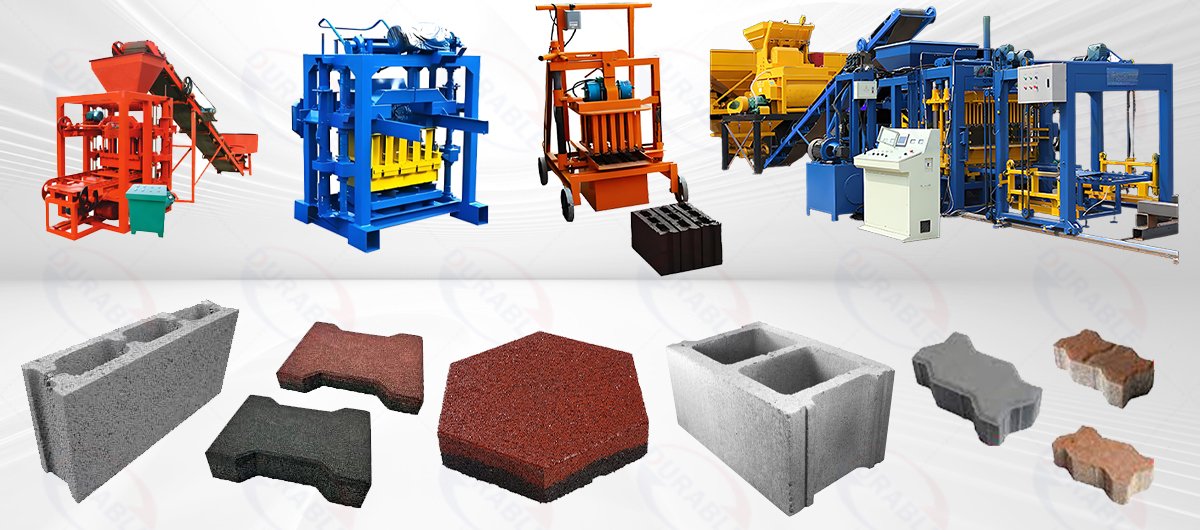
This is a large segment of the industry. It covers everything. This ranges from basic vibrators to fully automated concrete factories.
- Manual Vibratory / “Egg-Laying” Machines:
- Estimated Price Range (2025): $1,500 – $7,000 USD
- These are the simplest. Operators load the mix. They vibrate. The machine lays the block on the ground. It then moves forward for the next one. They are very basic. Output is very low (500-1,500 blocks/day). Automation is minimal. Price is driven by motor quality and steel. This is still a viable option for absolute beginners. It also suits very small local needs.
- Semi-Automatic (Fixed, Hydraulic Press + Vibration):
- Estimated Price Range (2025): $20,000 – $150,000 USD (for the main machine head only)
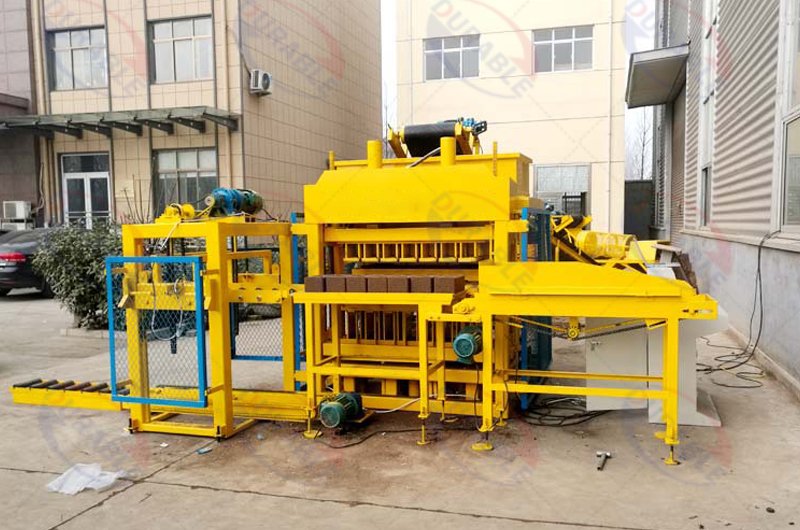
- Here, commercial production truly begins. These machines produce 2,000-10,000 blocks/day. This depends on the mold and cycle time. The low end is a basic machine. It has manual feeding. It has manual off-bearing. The high end offers more robust hydraulics. It has better vibration systems and faster cycle times, and may include automated pallet feeding. Crucially, this price almost never includes the , conveyors, or block stacker. These are significant additional costs.
- Fully Automatic Production Lines:
- Estimated Price Range (2025): $150,000 – $1.5 Million+ USD
- This represents a complete factory. This is not just a machine. It is an integrated system. It includes a batching plant. This automates weighing and mixing. It has a main concrete block machine. This is high-speed and multi-cavity. It has a pallet handling system. This automatically feeds pallets. It transfers fresh blocks. It includes a block stacker or cubing machine. This stacks blocks into neat cubes for curing. There is a curing system. This can be manual racks or automated chambers. A central control system (PLC) manages the entire operation.
- Factors include output capacity (10,000 to 100,000+ blocks/day). It depends on automation level. Brand of hydraulics and motors matter (Bosch Rexroth, Siemens, ABB). Steel quality is important. Sophistication of control software counts. How much ancillary equipment is included from the same vendor is key. The upper end can extend to several million. These are for highly customized, very high-capacity systems. They come from top-tier manufacturers.
III. Clay Brick Machines
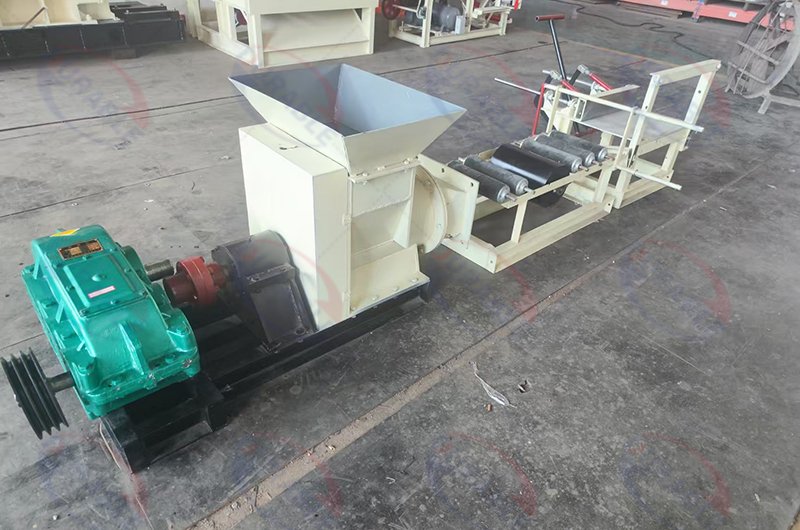
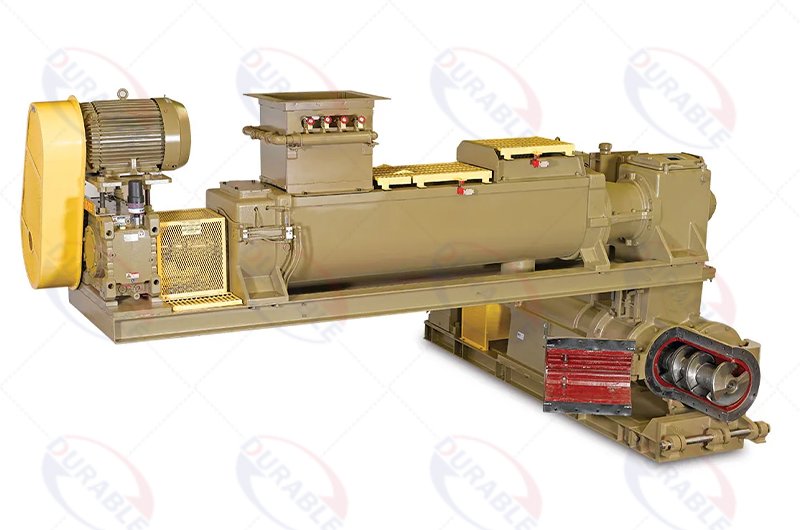
The core business is often concrete. However, full clay brick lines are also designed and built. The firing process introduces massive costs. These are not present in concrete.
- Small Extruder + Cutter (basic):
- Estimated Price Range (2025): $5,000 – $20,000 USD (does NOT include dryer or kiln)
- This is just the shaping part. Significant infrastructure is still needed. This is for drying and firing. It suits very small, localized production. Sun-drying and basic kilns are acceptable here.
- Semi-Automatic Extrusion Line (with de-airing, auto-cutter):
- Estimated Price Range (2025): $30,000 – $150,000 USD (still does NOT include dryer or kiln)
- This is for higher quality and consistency. De-airing pugmills remove air from the clay. This makes stronger bricks. The automatic cutter ensures precise dimensions. This is usually the machinery for preparing the “green” bricks.
- Fully Automatic Clay Brick Plant (complete system):
- Estimated Price Range (2025): $500,000 – $5 Million+ USD
- This is a vast industrial complex. It includes raw material preparation. This covers grinders, crushers, and mixers for clay. It has a de-airing extruder. This is the main forming unit. Automatic cutting and handling systems are used. These move green bricks. Drying tunnels are critical. They provide controlled drying before firing. The kiln is the most expensive single component (Hoffman kilns, Tunnel kilns). This is where the magic, and massive energy consumption, happens. It includes automated stacking and unstacking. A full PLC control system is integrated.
- Factors include kiln type and capacity. Automation level is key. Energy efficiency is critical for a kiln. Local environmental regulations matter (e.g., emissions). Raw material preparation complexity also influences cost. These projects are massive undertakings.
What Key Factors Influence a Brick Making Machine’s Price?
Many factors influence a brick making machine’s price. These go beyond the machine itself. Experience shows these factors significantly impact the final cost. They also affect long-term value.
Key factors include:
- Capacity: A higher output machine costs more. It produces more bricks per hour.
- Automation Level: Manual machines are cheapest. Fully automatic lines are most expensive. They require less labor.
- Material Quality: High-grade steel, robust hydraulics, and quality electrical components increase cost. They also increase durability.
- Brand Reputation: Established manufacturers often charge more. They offer proven reliability. They provide better support.
- Customization: Tailored solutions cost more than standard models. They meet specific project needs.
- Energy Efficiency: More efficient motors and systems might have a higher upfront cost. They save money on electricity.
- After-Sales Support: Good warranty, spare parts availability, and technical assistance add value. They are reflected in the price.
DURABLE, with its roots tracing back to ZONEDING in 1990, emphasizes material quality. For example, Taiwan Kelijia is used for hydraulics. German Schneider is used for frequency converters. This ensures machine longevity. This commitment to quality contributes to competitive pricing. It also ensures long-term customer satisfaction.
How Do Different Automation Levels Impact Machine Cost?
Automation levels directly influence machine cost. They also impact operational efficiency. Understanding these differences is key. It helps choose the right machine for a business model.
- Manual Machines: These are the lowest cost. They rely heavily on human labor. An operator loads materials. They operate levers. They move bricks. Output is low. Labor costs are high per brick.
- Semi-Automatic Machines: These combine manual and automated tasks. They often feature hydraulic pressing. They use automated mixing or conveying. Human operators are still needed. They manage some processes. Costs are moderate. Production is higher than manual.
- Fully Automatic Production Lines: These represent the highest investment. They handle all steps. This includes batching, mixing, molding, stacking, and curing. Minimal human intervention is needed. Production rates are very high. Labor costs per brick are very low. The initial capital outlay is substantial.
The choice depends on production goals. It depends on budget. It depends on labor availability. DURABLE offers various levels of automation. This ranges from manual to fully automatic. The company provides assistance to select the best fit.
What Hidden Costs Should Be Budgeted Beyond the Machine Price?
The machine price is only part of the story. Hidden costs often emerge. They significantly increase total project expenses. Decades of experience confirm this. The total project cost is often 2 to 5 times the main unit’s sticker price.
Hidden costs include:
- Shipping and Import Duties: These can be 10-30% of the machine cost. This is especially true for heavy equipment. Local taxes must also be considered.
- Site Preparation: Fixed machines need foundations. Access roads are required. Power connections and water supply are essential. Land purchase or rental costs are also part of this.
- Ancillary Equipment: Mixers are needed. Conveyors are used. A batching plant is needed for precise concrete measurement. Thousands of expensive, durable pallets are necessary for concrete block curing. Block cubers or stackers are for automatic lines. Generators are vital if grid power is unreliable. Loaders or forklifts move materials and blocks.
- Installation and Commissioning: Installation teams install and fine-tune complex lines. This incurs cost.
- Training: Training operators and maintenance staff is crucial. It ensures longevity.
- Spare Parts: An initial stock of wear parts is essential. This includes molds, bearings, and hydraulic seals.
- Ongoing Labor Costs: While automation reduces labor per brick, operators, supervisors, and maintenance staff are still needed. These are regular payroll expenses.
- Marketing and Sales: Bricks need to be sold. Budget for branding, advertising, and sales efforts.
These costs need careful budgeting. Ignoring them leads to financial strain. DURABLE provides comprehensive quotes. These include all necessary ancillary equipment and services.
How Do Raw Material & Energy Costs Affect Long-Term Investment?
Raw material and energy costs greatly impact long-term investment. They are ongoing operational expenses. They affect profitability directly. These costs must be part of a business plan.
- Raw Materials: Cement, aggregates, water, and specialized clay are primary costs. Their prices fluctuate. Local availability impacts transportation costs. Efficient sourcing reduces these expenses. Consistent quality of these inputs is also vital for brick strength.
- Energy: Electricity powers motors. Diesel fuels mobile machines. Kilns consume vast amounts of energy for clay bricks. Energy costs affect manufacturing. They influence operating expenses. Energy-efficient machines reduce these long-term costs. DURABLE prioritizes efficient motors and hydraulic systems in its designs. This helps save on running costs.
These are not one-time expenses. They are recurring. They dictate profit margins. Monitoring these costs is essential. Adjusting business strategy based on these fluctuations is important.
What Are the Main Differences Between Entry-Level & Advanced Machines?
Entry-level and advanced machines differ significantly. These differences impact initial cost. They affect long-term operational benefits. The choice depends on business scale and goals.
- Entry-Level Machines:
- Cost: Lowest initial investment.
- Automation: Mostly manual operation.
- Output: Low production capacity.
- Features: Basic functions. Limited versatility.
- Labor: High labor requirement.
- Best For: Small startups, localized projects, limited budgets.
- Example: Manual interlocking brick machine presses or simple vibratory concrete block machines.
- Advanced Machines:
- Cost: Significant initial investment.
- Automation: High to fully automatic. PLC control systems.
- Output: High to very high production capacity.
- Features: Advanced hydraulics, synchronized vibration, multiple mold options, sophisticated controls.
- Labor: Low labor requirement per unit.
- Best For: Commercial production, established businesses, high demand markets.
- Example: Fully automatic production lines with batching plants and cubers, such as advanced paver block machine systems.
DURABLE offers machines across this spectrum. Guidance is available. Assistance is provided to find the machine that matches scale. Future growth plans are considered.
How Can Best Value Be Ensured for a 2025 Brick Machine Investment?
Ensuring the best value means looking beyond the purchase price. It means considering total cost of ownership. Decades of industry experience teach this. A cheap machine often proves more expensive in the long run.
Steps to ensure best value:
- Define Needs: Clearly identify brick type, output, budget, and local conditions. Consider factors like desired brick density and strength.
- Request Comprehensive Quotes: Ask for a complete solution. Include ancillary equipment. Ask for shipping, installation, and training costs. This prevents budget surprises.
- Research Manufacturers: Look for long track records. Seek good after-sales support. Check for local references. DURABLE, with its foundation in 1990 as ZONEDING, has extensive industry experience. The company has a history of developing advanced brick machines.
- Prioritize Quality: Choose durable components. These reduce breakdowns. They extend machine life. DURABLE machines use high wear-resistant steel and branded components like Siemens PLC.
- Budget for Contingencies: Add 10-20% to the total project cost. Unexpected expenses often arise.
- Focus on Total Cost of Ownership: Consider maintenance, spare parts, energy consumption, and labor. A machine with higher initial cost but lower running costs often offers better value.
Investing in a quality machine, such as those from DURABLE, means investing in a solution. It is not just a piece of equipment. It leads to long-term profitability and success.
What Market Trends Could Affect Brick Machine Prices in 2025?
Several market trends could affect brick machine prices in 2025. These are global and local. They influence costs and demand. Understanding them helps in planning.
- Global Inflation and Raw Material Costs: Expect continued pressure. Steel, copper, and specialized alloys will likely increase. This directly affects machine manufacturing costs.
- Energy Prices: Volatile oil and electricity prices impact production and shipping. This translates to higher machine costs.
- Supply Chain Stability: While improving, disruptions can still occur. Component shortages drive prices up. They extend lead times.
- Technological Advancements: More automation, smart controls, and energy-efficient features will add to initial cost. They offer long-term operational savings.
- Labor Costs: Rising wages globally affect manufacturing expenses.
- Shipping and Logistics: Freight costs remain a significant variable. Container prices fluctuate.
- Environmental Regulations: Stricter standards can increase manufacturing costs. This impacts machine prices.
- Currency Fluctuations: Exchange rates affect import and export costs. These can change rapidly.
These trends require careful monitoring. They inform purchasing strategy. DURABLE stays abreast of these changes. The company strives to offer competitive solutions.
How Does DURABLE Deliver Exceptional Value and Transparency?
DURABLE delivers exceptional value. The company prioritizes transparency. This approach builds trust. It ensures long-term customer satisfaction. A long history in the industry supports this.
- Direct Factory Sales: DURABLE is a manufacturer. Sales are direct to clients. This removes middlemen. It offers more competitive pricing.
- Comprehensive Solutions: Equipment is provided for the entire process. This ranges from mixing to stacking. This is a one-stop solution.
- Customization: Machines are tailored to client needs. This covers material types. It covers output requirements. It considers brick sizes. The 15 engineers design precise solutions. Examples include specialized block molding machine options.
- Quality Components: High-wear-resistant steel is used. Components come from reputable international brands. This includes Taiwan Kelijia (hydraulics) and German Schneider (frequency converters). Siemens and Omron supply electrical controls. This ensures durability.
- Full-Service Support: Complete support is offered. This includes design, manufacturing, installation, training, and after-sales service.
- Global Presence: Products are in over 120 countries. This provides global market understanding. There are successful case studies worldwide.
Commitment to quality, efficiency, and comprehensive support defines the value proposition. This ensures investments with DURABLE are rewarding.
What Financing Options Are Available for a 2025 Purchase?
Financing options help manage investment. They make machine purchase more accessible. Discussing these options early is beneficial. It helps structure a budget.
- Bank Loans: Traditional commercial loans are available. They often require a strong business plan. They need collateral.
- Leasing: Leasing preserves capital. It offers tax benefits. Monthly fees are paid. Ownership of the machine does not transfer.
- Manufacturer Financing: Some manufacturers, including DURABLE, may offer direct financing. Or they may partner with financial institutions. This can provide flexible terms.
- Export Credit Agencies: For international purchases, agencies may offer support. They reduce risk for lenders. They facilitate trade.
- Government Grants/Subsidies: In some regions, there are incentives. These are for sustainable technologies. They support job creation. Local programs should be checked.
DURABLE can assist. The company connects clients with relevant financing partners. Assistance is provided to explore options. This supports a 2025 purchase.
Ready to Plan? How Can DURABLE Assist in Building a 2025 Budget?
Planning a 2025 brick machine investment is a critical step. DURABLE can assist in building a budget. Expertise guides the process. It ensures a clear and informed decision.
Steps for assistance:
- Initial Consultation: Project vision is discussed. Needs are outlined. This includes brick type, desired output, and budget.
- Site Assessment and Material Analysis: If needed, site assessment is provided. Local raw materials are analyzed. This ensures optimal machine selection.
- Detailed Proposal: A comprehensive proposal is provided.It includes machine recommendations, covers pricing, outlines ancillary equipment, and forecasts operational costs.
- Customized Solution Design: Engineers design a solution. This includes factory layout. It covers production line integration. This considers factors like space and logistics.
- Ongoing Support: Full-service support is provided. This ensures project’s long-term success.
The goal is client success. DURABLE aims to be a partner. Assistance is provided to establish a profitable brick manufacturing business.
Common Questions About Brick Machine Prices
Question 1: Will brick machine prices increase in 2025?
Yes, likely due to global inflation, rising raw material costs, shipping, and technological advancements.
Question 2: What is the most expensive component in a brick making plant?
For concrete block lines, it’s usually the main block machine. For clay brick plants, the kiln is costliest due to its size and energy requirements.
Question 3: Does DURABLE offer used brick machines?
DURABLE focuses on manufacturing new, high-quality machines for reliability and performance, not typically selling used equipment to guarantee standards.
Question 4: How important is after-sales support for an investment?
Very important. It reduces downtime, extends machine lifespan, and minimizes long-term operational costs. DURABLE provides lifetime technical support and reliable spare parts.
Question 5: What is the lead time for purchasing a new brick machine?
Lead times vary by machine complexity and customization. Standard models: 4-8 weeks. Custom full lines: 3-6 months+. Always confirm with the supplier.
Summary and Advice
Investing in a brick machine in 2025 requires careful planning. Understanding the various machine types is crucial. Recognizing their price ranges is important. Hidden costs must be accounted for. These include shipping, installation, and ancillary equipment. Raw material and energy costs greatly impact long-term profitability. Prioritizing quality components and reliable manufacturers is essential. This ensures the best value.
Trends like inflation, supply chain stability, and technological advancements will influence prices. Budgeting for contingencies is advised. Focus should be on total cost of ownership. Not just the initial purchase price. DURABLE offers comprehensive solutions. Transparency is provided. Full-service support is offered. This secures an investment. It helps build a successful brick manufacturing business.
Why Choose DURABLE?
DURABLE, a leading Chinese B2B block machine manufacturer, leverages over 30 years of experience, stemming from its ZONEDING legacy (founded 1990). They offer a comprehensive range of customizable concrete and clay brick machines, covering the entire production process from mixing to stacking. Expertise ensures optimal solutions, utilizing high-quality materials, reputable components, and advanced production equipment. Full-service support includes design, manufacturing, installation, training, and after-sales care. Exporting to over 120 countries, DURABLE provides competitive factory-direct pricing, guaranteeing reliable equipment and lasting partnerships. Contact DURABLE today for custom quotes and project consultations.