 Durable Machinery
Get Price
Briquette Machine Troubleshooting: Fix Output, Efficiency, Quality
I have observed many operational challenges in mineral processing and biomass handling. Customers often encounter issues after purchasing a biomass briquette machine. These problems often stem from insufficient understanding of raw material characteristics, process parameters, and equipment maintenance. This article addresses common faults in biomass briquette machines. It provides diagnostic methods and solutions based on extensive experience. This aims to optimize production line efficiency and product quality.
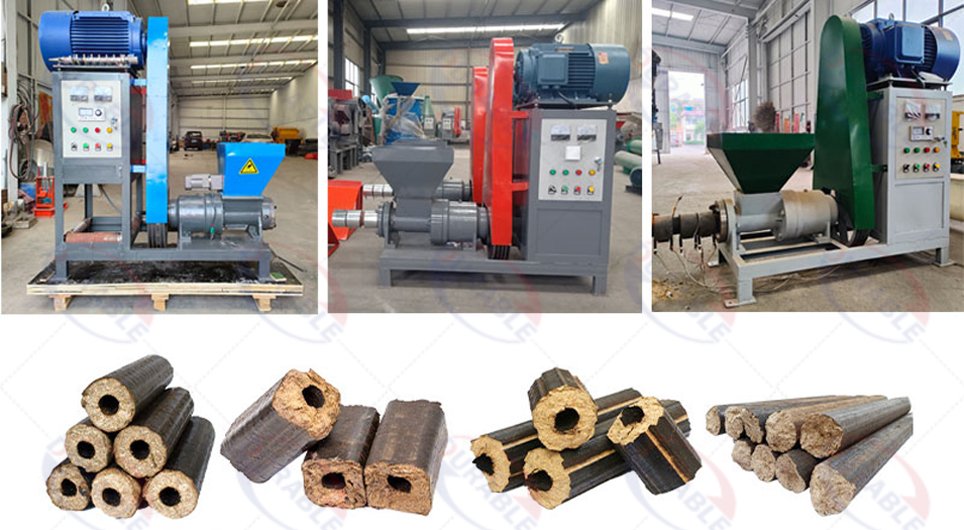
Table of Contents
- Briquette Machine Output Failure or Poor Forming: Causes Identified
- Reduced Briquette Output and Unstable Operation: Rapid Recovery Strategies
- Loose, Fragile, or Cracked Briquettes: Quality Improvement Methods
- Raw Material Control: Optimizing Briquette Forming via Moisture, Particle Size, and Stickiness
- Die and Screw Shaft Wear: Assessment and Timely Replacement
- Heating System and Pressure Setting: Verification for Optimal Briquette Forming
- Feeding System Blockages and Foreign Objects: Efficient Clearing and Prevention
- Transmission System and Motor Power Issues: Troubleshooting and Maintenance
- Daily Cleaning and Lubrication: Impact on Briquette Machine Stable Operation
- Briquette Machine Operation Standards and Training: Preventing Human Errors
- Common Wear Parts Management: Stocking and Replacement Cycle for Maintenance Plans
- Electrical System and Sensor Failures: Safe Inspection and Repair Procedures
- Efficient Briquette Production Line: Advanced Technologies for Fundamental Problem Solving
- FAQs
- Conclusion
- About Durable
Briquette Machine Output Failure or Poor Forming: Causes Identified
Briquette machine issues (no material/poor briquettes) often stem from raw material conditions, not machine pressure or die quality. This represents briquette machine forming issues.
The most critical factor is improper raw material moisture. Excessive moisture acts as a lubricant, hindering particle bonding and resulting in loose, fragile, or wet briquettes. Insufficient moisture makes material too dry, preventing lignin activation (for high lignin biomass) and leading to brittle briquettes. Most briquette machines (especially screw extrusion types) require 8-15% moisture, with 10-12% being optimal. Use a rotary drum dryer or airflow dryer and a moisture content analyzer for consistency.
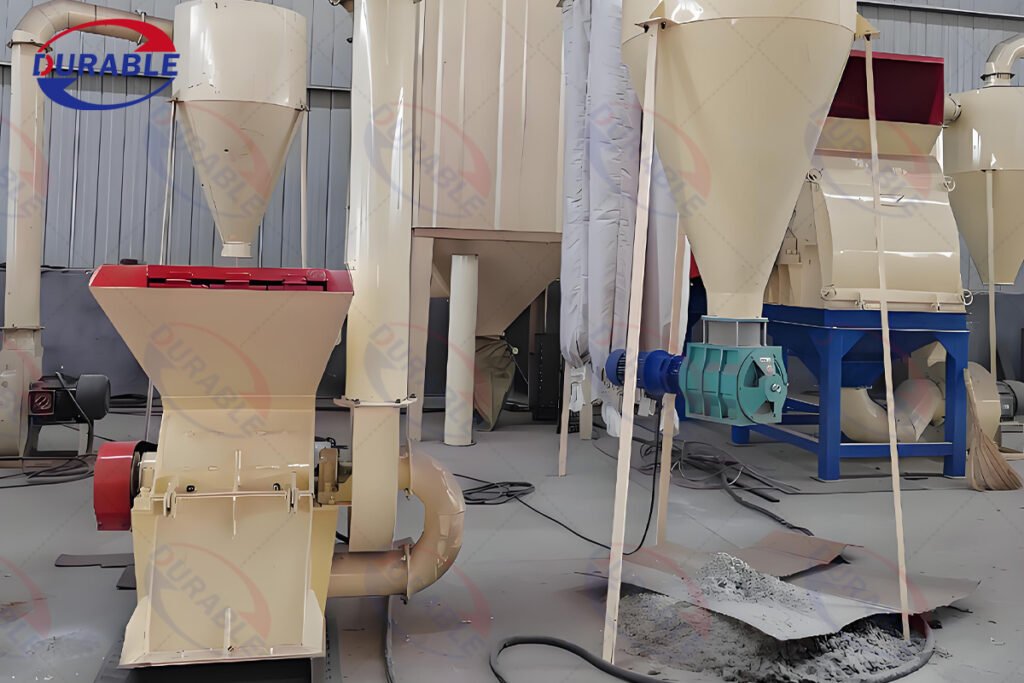
Uneven or incorrect raw material particle size is another key factor. Large particles create voids, hindering compaction, while excessively fine particles can trap moisture/gases, causing brittleness. Ideal particle size is 3-8mm with uniform distribution. Incorporate a Hammer Mill Crusher followed by a vibrating screen to ensure uniformity and improve briquette density.
Unsuitable raw material composition or inadequate binders can also cause issues. For low-lignin materials, add 1-3% environmentally friendly biomass binders after trials, ensuring uniform distribution with efficient mixing equipment.
For screw extruders, incorrect operating temperature prevents lignin activation. Insufficient temperature leads to weak briquettes, while excessive temperature can cause carbonization. Verify heating system function and adjust based on material.
These steps are fundamental for briquette machine troubleshooting and addressing poor briquette quality effectively.
Reduced Briquette Output and Unstable Operation: Rapid Recovery Strategies
A sudden drop in briquette output or unstable machine operation requires immediate action. This condition is often blamed on machine power or quality. However, the root cause frequently lies in the feeding system and raw material pretreatment. The biomass briquette machine needs consistent, uniform, and clean material supply. Any disruption impacts stability. This leads to low briquette machine output.
A primary cause is uneven or incorrect feeding speed. Too much material volume exceeds machine capacity. This causes clogging or motor overload. Too little or irregular feeding speed results in underutilization or fluctuating loads. This impacts output and equipment life. I recommend installing a variable frequency quantitative feeder. This can be a screw conveyor or belt conveyor. This ensures stable, uniform raw material flow into the briquette machine. This is critical for efficient briquette machine operation and equipment protection.
Foreign objects (metal, stones, debris) in raw material damage critical components (dies, rollers, screws), causing jamming, motor overload, or severe mechanical failure. Install a magnetic separator for metal; use a vibrating screen or manual sorting for stones/debris. This prevents costly repairs.
High raw material moisture also causes clogging due to material agglomeration; strict moisture control is essential.
Finally, severe wear of consumable parts (dies, rollers, screws) reduces output by increasing friction. Regularly inspect, promptly replace, and lubricate to extend component life.
These actions are vital for troubleshooting, preventing clogging, reducing downtime, and ensuring consistent operation.
Loose, Fragile, or Cracked Briquettes: Quality Improvement Methods
Loose, fragile, or cracked briquettes indicate poor briquette quality. Customers often worry about high spare part costs and short service life. However, the underlying cause of accelerated wear is frequently overlooked. This rapid wear often means production process parameters negatively impact the equipment. It represents a significant, hidden operational cost, directly reducing profit.
A primary cause of rapid wear is abrasive impurities within the raw material. Sand, dirt, or high silica content in materials like rice husks or wood rapidly wear down dies and screws. Abrasiveness is a leading factor in equipment wear. The same equipment processing pure wood chips has a longer lifespan than when processing rice husks. I recommend pretreatment for highly abrasive raw materials. This can include washing or air classification. This reduces impurity levels. Alternatively, select heavy-duty equipment designed for abrasive materials. Key components in such machines are made from wear-resistant special alloy steels. They may undergo specialized surface hardening treatments. This is essential for extending briquette machine lifespan.
Premature wear also stems from substandard material or heat treatment of wear parts. Inferior dies, rollers, or screws, though visually similar, lack sufficient internal structure and hardness. Procure spare parts from reputable suppliers, requesting material certificates and heat treatment reports. Avoid cheaper, lower-quality parts, which increase long-term operational costs.
Improper production process parameters further speed up wear. Incorrect moisture (too dry or too wet) increases friction. Suboptimal operating temperature for screw machines increases friction or softens component surfaces. Determine and maintain optimal moisture and temperature through testing.
Finally, inadequate equipment maintenance or incorrect operation contributes to rapid wear. Lack of lubrication, improper installation, or prolonged overloading accelerates it. A robust preventive maintenance program—including inspections, lubrication, and component replacement—extends equipment lifespan. Adhere to operation manuals and professionally train operators. These measures address briquette machine troubleshooting for briquette machine screw wear and briquette machine die replacement.
Raw Material Control: Optimizing Briquette Forming via Moisture, Particle Size, and Stickiness
Precise control of raw material characteristics is fundamental for optimal briquette formation. This requires careful management of moisture, particle size, and natural stickiness. This directly influences the performance of your biomass briquette machine. Effective raw material pretreatment is essential for consistent output.
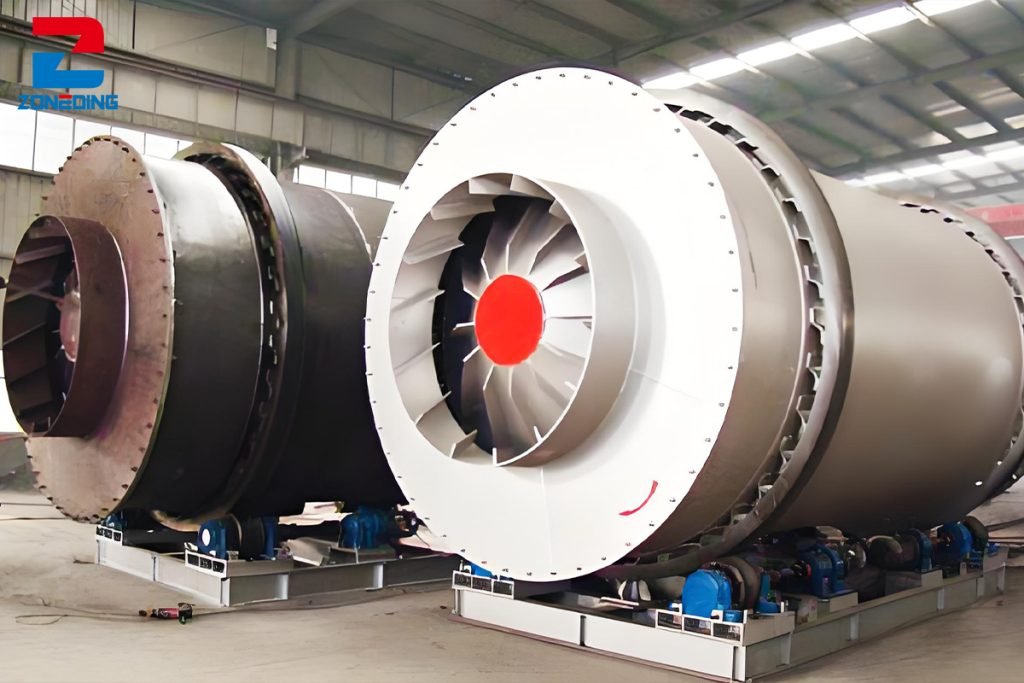
Moisture content is the most critical factor. For most biomass briquette machines, the optimal moisture range is between 8% and 15%. A range of 10-12% is frequently ideal. High moisture lubricates material, inhibiting particle bonding. This leads to weak or loose briquettes. Insufficient moisture prevents natural binders, such as lignin in wood, from activating. This results in brittle briquettes. I recommend implementing a reliable drying system. A sawdust dryer or similar equipment adjusts moisture to target levels. Regular use of a moisture meter ensures consistency.
Particle size critically affects briquette integrity; large particles create voids, fine ones trap air/moisture, causing cracking. Ideal Particle size is 3-8mm, uniformly distributed, achieved via a Hammer Mill Crusher and screening. Raw material’s natural stickiness (e.g., wood’s lignin) is also vital; low-stickiness materials may need external binders (e.g., starch/corn flour), uniformly distributed by an efficient mixer. Controlling these factors minimizes briquette machine forming issues and will improve briquette density.
Die and Screw Shaft Wear: Assessment and Timely Replacement
The mold (or die) and the screw shaft are critical wear parts within a biomass briquette machine. Their condition directly affects production output and briquette quality. Timely assessment and replacement are crucial for briquette machine troubleshooting and maintaining efficient briquette machine operation.
Assessing Wear requires regular visual inspection. For the screw shaft, observe flights for thinning or flattening at material-contacting edges. This indicates wear. As flights wear, effective pressure on the material decreases. This results in lower briquette density and weaker briquettes. Reduced output often accompanies this wear. For the mold/die, inspect its internal diameter. It should be uniform. Uneven widening or deep grooves indicate wear. A worn die cannot generate sufficient friction and pressure. This leads to loose or poorly formed briquettes. I advise visual inspections during scheduled maintenance. A decrease in briquette machine production efficiency often signals wear.
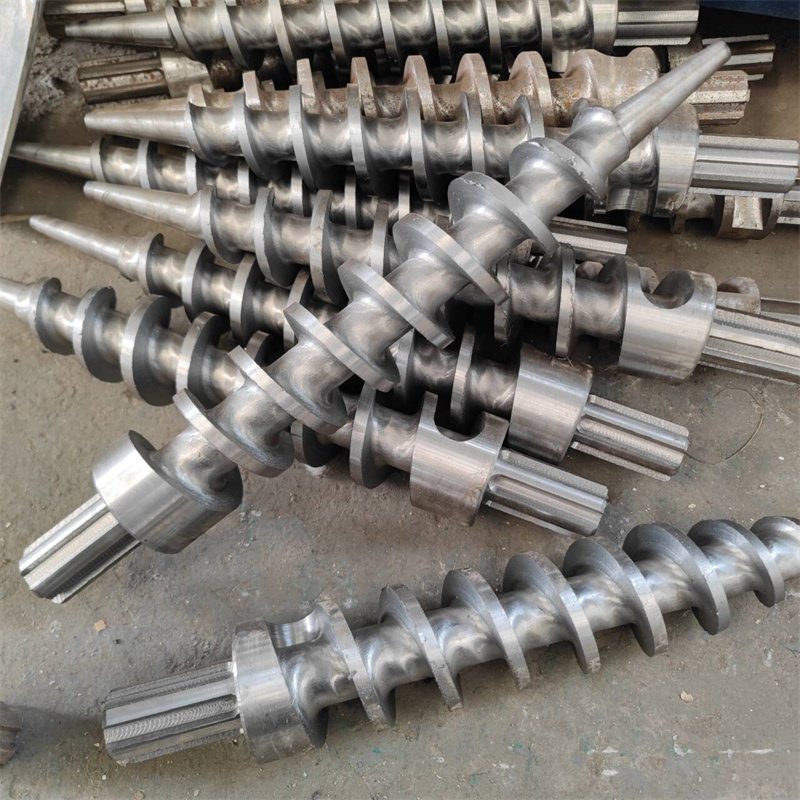
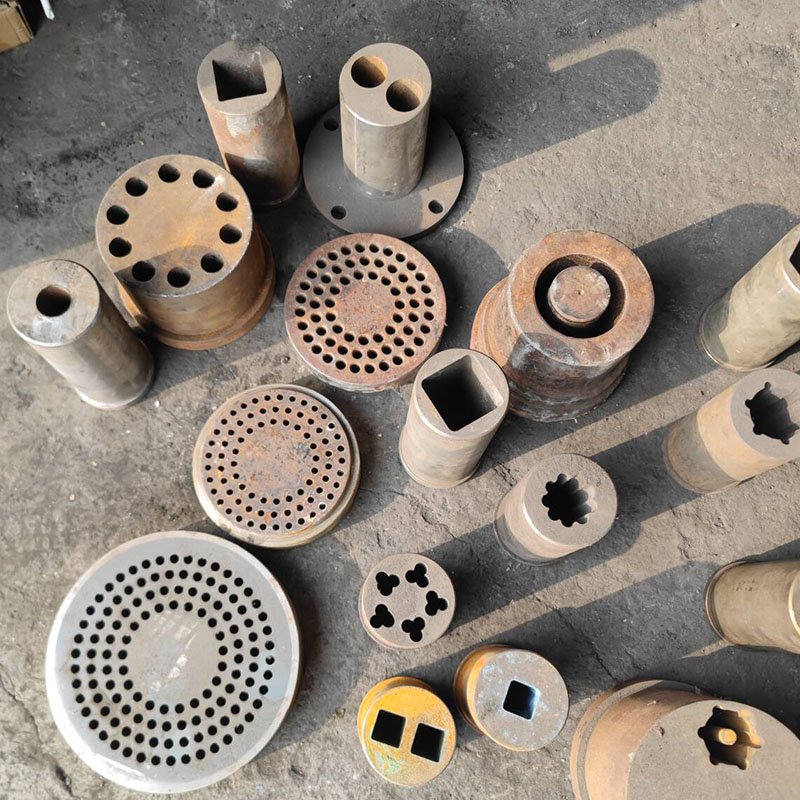
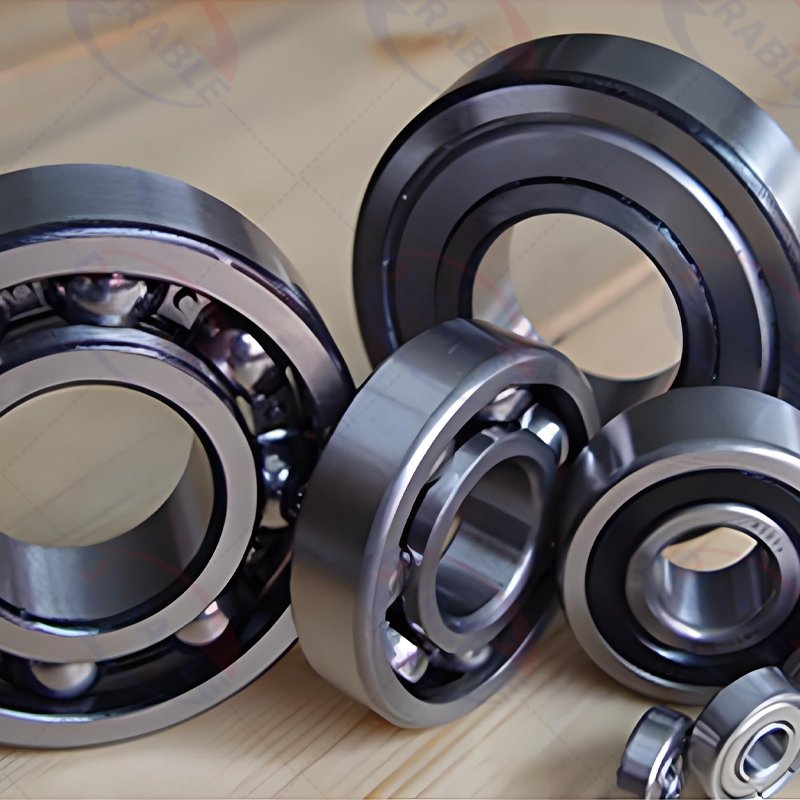
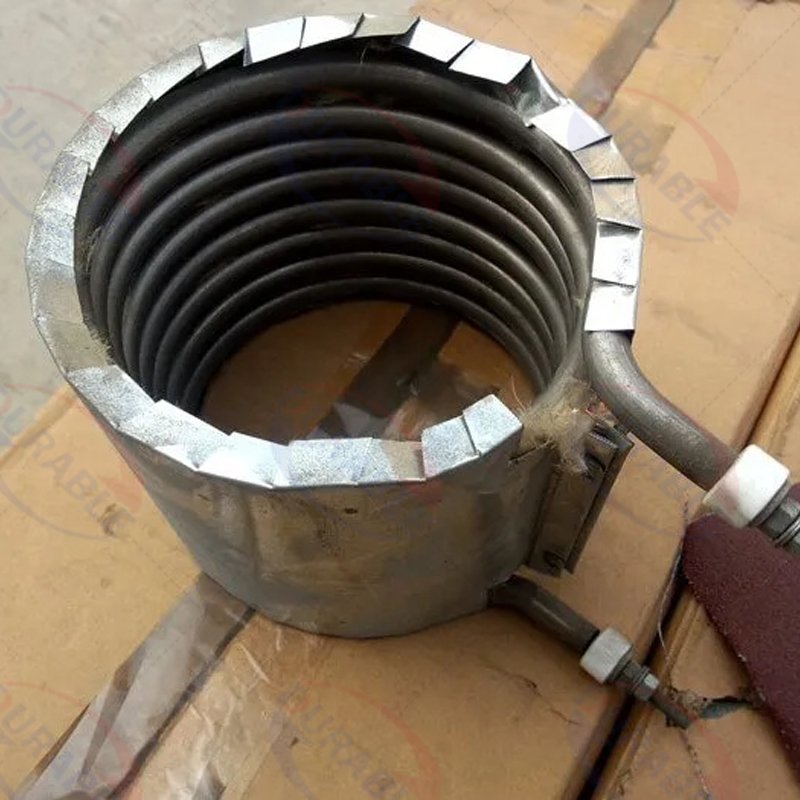
Timely Replacement of worn parts is scheduled, not reactive. Don’t wait for failure; rapid wear signals the need for briquette machine screw wear or briquette machine die replacement. Procure quality spare parts from reputable suppliers (request material certificates) to prevent faster wear and higher long-term costs. Maintain a stock of critical wear parts to minimize downtime. Implement a maintenance plan: track usage (installation dates, raw material processed, operational hours) to predict replacement cycles (e.g., inspect a 500-hour screw at 400, ordering proactively). This proactive approach is essential for extending briquette machine lifespan. Always follow manufacturer instructions for safe replacement.
Heating System and Pressure Setting: Verification for Optimal Briquette Forming
The heating system and pressure settings are fundamental for a biomass briquette machine, especially for screw extrusion models. These elements facilitate the activation of natural binders in raw material. Correct checking and adjustment are necessary for optimal briquette formation. This helps mitigate briquette machine forming issues.
The heating system usually has electric heating coils around the compression sleeve. These coils preheat raw material. This softens lignin. If the heating system fails, internal machine temperature will be insufficient. Lignin will not activate adequately. This results in loose, weak briquettes. I recommend regularly inspecting heating elements and electrical connections. Verify temperature sensor function. Sensors provide feedback for heat control. Faulty sensors cause underheating or overheating, affecting quality. Confirm temperature controller settings match manufacturer recommendations for your raw material.
Briquette machine pressure setting, primarily determined by screw and die design, isn’t directly adjustable. It’s managed via raw material feed rate, moisture content, and screw/die condition. Incorrect moisture alters friction; worn screws/dies reduce pressure, leading to poor compaction. Optimal pressure requires correct raw material moisture/particle size, proper heating, and good screw/die condition—all working together. Regular checks on raw material quality and wear parts maintain optimal pressure, ensuring high-quality briquette production.
Feeding System Blockages and Foreign Objects: Efficient Clearing and Prevention
A clogged feeding system or foreign objects jamming a biomass briquette machine can stop production. This causes low briquette machine output and significant reduce downtime. Efficient clearing and, more importantly, effective prevention are critical for efficient briquette machine operation.
Efficient clearing of clogs means immediate machine shutdown. Do not force operation. First, disconnect power. Then, carefully remove material from the hopper and feeder. For persistent clogs in the screw conveyor, partial disassembly may be needed to access the blockage. Always use proper tools. Avoid contact with moving parts. After clearing, inspect raw material to find the clog cause. This could be excessive moisture, lumps, or foreign objects. Understanding the cause is essential for prevention.
Preventing clogging and foreign object jamming starts with strict raw material pretreatment. Ensure optimal moisture (10-12%) using a wood chips dryer; high moisture causes clumping. Process raw material to consistent particle size (3-8mm) with a hammer mill crusher and vibrating screen, preventing feeder blockages. Install a magnetic separator for metals, and use screens/sorting for stones, plastics, and debris. These measures prevent briquette machine clogging and damage. Implement a quantitative feeder with variable speed for steady flow, preventing surges. Establish daily cleaning for feeder/hopper to remove buildup. These steps significantly reduce briquette machine troubleshooting for blockages.
Transmission System and Motor Power Issues: Troubleshooting and Maintenance
Transmission system faults or inadequate motor power can make a biomass briquette machine inoperable. This results in low briquette machine output and costly downtime. Troubleshooting and consistent maintenance of these components are crucial for briquette machine repair solutions. This also ensures efficient briquette machine operation.
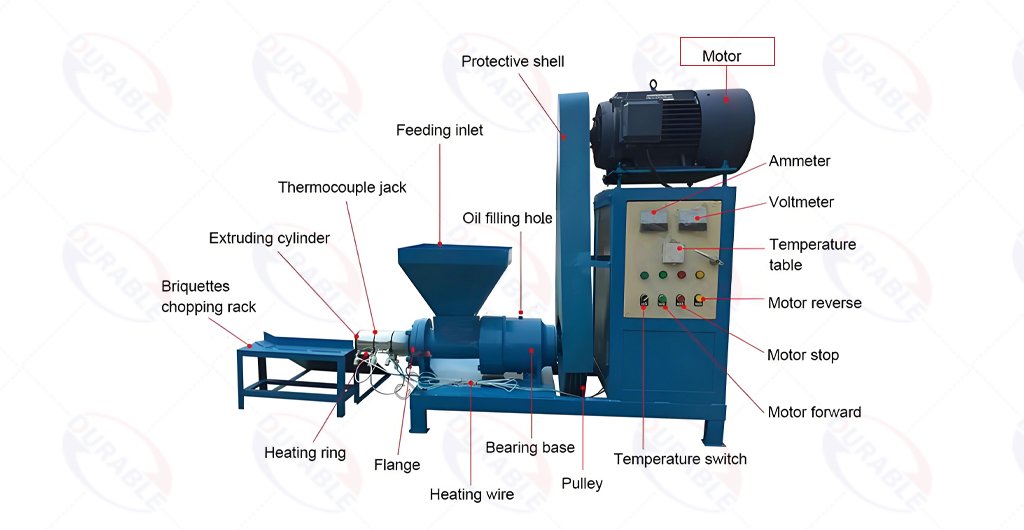
Troubleshooting transmission system faults starts by identifying abnormal noises or vibrations. A grinding sound often means worn gears or bearings in the gearbox. A squealing noise might mean a loose or damaged belt. De-energize the machine and disconnect power. Visually inspect all components. Check belts, pulleys, chains, sprockets, and shafts for wear, misalignment, or damage. Check for excessive heat from bearings. Lubrication issues are common. Ensure gearbox oil levels are adequate and clean. These checks help locate the fault before further damage occurs.
Insufficient motor power manifests as struggle, overheating, or circuit breaker trips. First, verify power supply (voltage, phase) and connections. If power is adequate, assess motor load: briquette machine resistance from clogs, worn screw/die, or incorrect settings (e.g., dry raw material). If other causes are ruled out, the motor itself may be faulty (windings, bearings); a qualified electrician should inspect. Maintain transmission: routine lubrication (gearbox oil, bearings), correct belt/chain tension, preventive replacement of worn parts. Ensure adequate motor ventilation and cleanliness to prevent overheating. Regular briquette machine daily maintenance on these components is vital to extend briquette machine lifespan and prevent breakdowns.
Daily Cleaning and Lubrication: Impact on Briquette Machine Stable Operation
Daily cleaning and lubrication are essential practices for a biomass briquette machine. They are critical for stable operation and extending briquette machine lifespan. Neglecting these routine tasks leads to costly breakdowns and low briquette machine output.
Daily cleaning removes material residues. Biomass material, especially when moist or containing binders, sticks to machine surfaces. This includes the hopper, feeding chute, and external compression chamber areas. If uncleaned, these residues harden and accumulate. This restricts material flow. It leads to clogs. Hardened material can enter working parts. This causes abrasive wear. Cleaning also prevents cross-contamination. This is important when processing different raw materials. It maintains a clean working environment. A clean machine makes inspection for wear or damage easier. This speeds up briquette machine troubleshooting.
Lubrication is vital for all moving parts. A briquette machine has many moving components. This includes bearings, gears, and the screw shaft. These need proper lubrication. Lubricants reduce friction and heat. This prevents wear. Insufficient lubrication causes metal-on-metal contact. This results in rapid wear, overheating, and component failure. This requires briquette machine repair solutions. Always use manufacturer-specified lubricants. Follow their application schedule. Different components may need different types of grease or oil. Inspect lubrication points daily. Replenish as needed. A well-lubricated machine runs more smoothly. It uses less energy. It lasts longer. Proper briquette machine daily maintenance ensures component efficiency. This directly contributes to efficient briquette machine operation and high-quality briquette production.
Briquette Machine Operation Standards and Training: Preventing Human Errors
Human errors significantly impact biomass briquette machine performance. They can cause breakdowns, poor briquette quality, and safety hazards. Establishing clear operation standards and providing comprehensive staff training is essential. This helps avoid human errors. It ensures efficient briquette machine operation.
Operation standards must be explicit and straightforward. Develop detailed Standard Operating Procedures (SOPs) for every phase. This includes machine startup, normal operation, shutdown, and emergency protocols. SOPs should cover raw material loading, parameter adjustment, and safety procedures. Display these procedures prominently near the machine. Use visual aids where helpful. This ensures consistent adherence to correct steps. It reduces confusion and prevents mistakes. Consistent standards lead to consistent briquette machine production efficiency.
Staff training is crucial. New operators need thorough theory and hands-on practice, understanding machine mechanics, raw material impact, and spotting early problems. Regular refreshers maintain skills. Train on briquette machine troubleshooting basics, raw material adjustments, safety protocols, daily checks, and cleaning. Empowering operators reduces assumptions, preventing common errors leading to briquette machine forming issues or damage. Investment in team knowledge boosts uptime and product quality.
Common Wear Parts Management: Stocking and Replacement Cycle for Maintenance Plans
Managing common wear parts and their replacement cycle is a crucial aspect of a biomass briquette machine maintenance plan. This proactive strategy prevents unexpected breakdowns. It helps reduce downtime. It also controls costs tied to briquette machine repair solutions.
Common wear parts for a biomass briquette machine include the screw shaft, compression dies/molds, heating elements, bearings, and sometimes belts or gear components. These parts face continuous friction and high pressure. They will naturally wear over time. The wear rate depends on raw material abrasiveness, machine usage hours, and maintenance quality. For example, processing abrasive materials like rice husks or certain straws shortens screw shaft and die life. Maintain a strategic stock of these critical wear parts. This investment allows immediate replacement. It prevents long production delays.
Developing a maintenance plan involves tracking usage and forecasting replacement needs. Keep detailed records of wear part installation dates, raw material processed, and operational hours to estimate replacement cycles (e.g., inspecting a screw shaft at 400 hours if it typically lasts 500). This proactive approach prevents reactive repairs. A comprehensive plan includes: Regular Inspections, a Lubrication Schedule, a Cleaning Routine, and Operator Feedback (for early problem detection). This structured approach to managing common faults biomass briquette machine parts helps extend briquette machine lifespan and ensures efficient briquette machine operation.
Electrical System and Sensor Failures: Safe Inspection and Repair Procedures
Electrical system faults and sensor failures can make a biomass briquette machine inoperable. They also pose safety risks. Knowing how to safely diagnose and repair these issues is essential for briquette machine troubleshooting. This ensures continuous safe and efficient operation.
Safely checking electrical system faults always starts by disconnecting power. Turn off the main circuit breaker. Use a multimeter to confirm no power is present at the machine. Look for visible damage. This includes frayed wires, burnt insulation, or loose connections. Check fuses and circuit breakers. A tripped breaker or blown fuse means overload or short circuit. Find the root cause before resetting or replacing. Motors can overheat due to wrong wiring or continuous overload. Contactors and relays can fail from wear or power surges. Inspect control panel components for corrosion or loose terminals. Always label wires clearly if disconnection is needed.
Sensor failures are complex; they provide vital machine data (temp, pressure, speed, material levels). Faulty sensors lead to incorrect adjustments or safety shutdowns (e.g., wrong temperature affects briquette quality, bad level sensor disrupts feeding). For troubleshooting: check connections, physical damage, recalibrate, use machine diagnostics. Repairing electrical faults is for qualified personnel only; never attempt complex repairs untrained. Replace with exact matches; secure and insulate connections. After repair, test thoroughly in a controlled environment, verifying safety. Regular wiring/electrical inspection as part of briquette machine daily maintenance helps extend briquette machine lifespan and ensures reliable operation.
Efficient Briquette Production Line: Advanced Technologies for Fundamental Problem Solving
Investing in an efficient biomass briquette machine production line offers solutions beyond basic briquette machine troubleshooting. It promotes proactive prevention. Advanced technologies enhance briquette machine production efficiency and ensure high-quality briquette production.
One key area is smart raw material preprocessing. This includes integrated systems for precise moisture control and uniform particle sizing. Modern dryers, like advanced rotary or flash dryers, accurately reduce moisture to the optimal range. Automated crushing and screening systems ensure consistent particle size. They also remove impurities. This reduces briquette machine forming issues and component wear. Some systems use optical sorters. They remove foreign objects. This prevents briquette machine clogging and associated damage.
Intelligent control systems, like PLC and HMI, are a key advancement in modern biomass briquette machines. They constantly monitor critical parameters (temperature, pressure, motor load, feed rate), automatically adjusting settings for optimal performance and early anomaly detection (e.g., reducing feed rate with increased motor load to prevent jamming). These systems also offer detailed data logging for predictive maintenance and analyzing common faults biomass briquette machine. Additionally, enhanced wear-resistant materials and designs (specialized alloys, heat treatments for screw shafts/dies) significantly extend briquette machine lifespan, particularly with abrasive raw materials. Modular designs further facilitate briquette machine die replacement and other wear part changes. Investing in these technologies reduces briquette machine repair solutions, ensures consistent output, and shifts production to proactive optimization.
FAQs
Question 1: What is the most critical raw material factor for briquette quality?
The most critical factor is moisture content. It must be within the optimal range of 8-15%, with 10-12% being ideal for most machines.
Question 2: How often should wear parts like the screw shaft and dies be checked?
Wear parts should be inspected regularly during scheduled maintenance. Frequency depends on machine usage and raw material abrasiveness. Track their lifespan to predict replacement needs.
Question 3: What causes a briquette machine motor to overload and trip?
Motor overload can result from excessively fast feeding, high raw material moisture, foreign objects jamming the machine, or severe wear of internal components such as the screw and die.
Question 4: Can any type of biomass material be used in a briquette machine?
While briquette machines are versatile, raw material composition (e.g., lignin content) and abrasiveness vary. Some materials may require binders or specific machine types.
Question 5: Why are briquettes loose and easily broken even with correct moisture?
This can be caused by incorrect particle size (either too large or too fine), insufficient natural binders in the raw material, or improper operating temperature in the compression chamber.
Question 6: How can briquette density be improved?
Briquette density can be improved by ensuring optimal raw material moisture, uniform particle size, adequate natural binders or added binders, and correct machine temperature with properly maintained screw and die.
Conclusion
Diagnosing issues with a biomass briquette machine requires a holistic perspective. Most faults originate from the interactions among raw materials, the equipment, the process, and operational practices. Optimizing each of these elements significantly enhances the overall efficiency and profitability of a production line. Spending time and effort to understand and refine these underlying factors leads to more sustained success than repeatedly replacing machinery or components. Focus on stringent raw material control, consistent preventive maintenance, thorough staff training, and the integration of smart technologies. These actions will resolve common problems and ensure high-quality briquette production and efficient briquette machine operation.
About Durable
Durable Machine, established in 2001, is a leading Chinese manufacturer. We specialize in mineral processing equipment and construction machinery. We also apply our industrial process knowledge to biomass energy equipment. Durable designs and builds complete, integrated biomass fuel production lines, focusing on briquette machines. Our solutions prioritize efficiency, reliability, and environmental responsibility. Durable’s team works closely with clients. We design systems to match specific biomass types, production needs, and business goals. From initial consultations and plant design to custom equipment manufacturing, installation support, operator training, and comprehensive after-sales service, Durable ensures your investment leads to successful outcomes.
For expert advice and a custom plan for your biomass briquette machine project or pellet making machine project, contact Durable’s engineering team today.