 Durable Machinery
Get Price
How to Effectively Reduce Wear on Mixer Components
A self-loading mixer is a highly versatile and efficient piece of equipment, combining the functions of a loader, mixer, and transporter. However, this complexity also means there are numerous components susceptible to wear. Premature equipment failure is often not a result of machine flaws, but rather a consequence of suboptimal operation and maintenance practices.
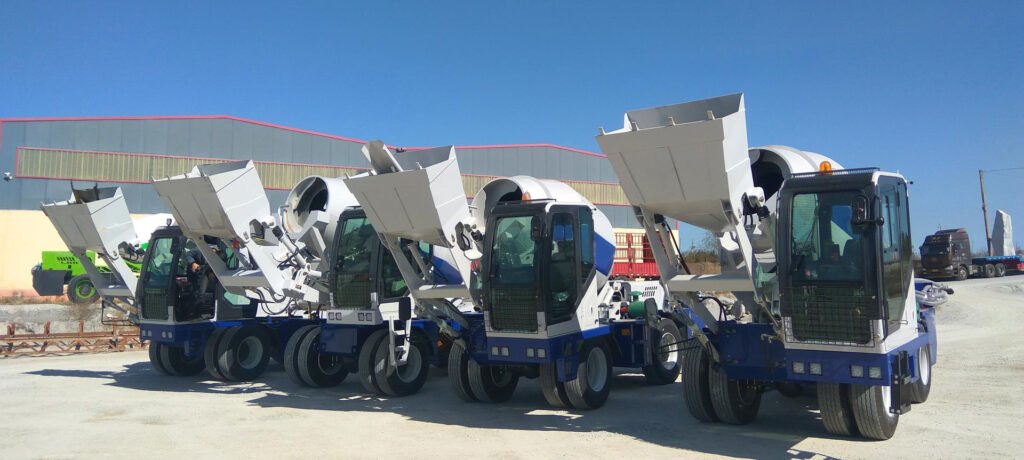
This guide provides a professional framework to minimize wear and tear. It outlines correct operational protocols and the essentials of a robust equipment maintenance program. Following these guidelines extends the lifespan of the machinery, significantly reducing long-term repair expenditures and operational downtime. The objective is to transform the mixer from a consumable tool into a long-term, profitable asset.
Table of Contents
- Why is Reducing Self-Loading Mixer Wear Crucial?
- How Can Proper Loading Protect the Bucket and Hydraulics?
- How Does Leftover Concrete Accelerate Drum Wear?
- How Do Driving and Steering Affect the Chassis and Tires?
- Which key lubrication points must you grease regularly?
- How Does Hydraulic Oil Health Affect Component Lifespan?
- Which key lubrication points must you grease regularly?
- How Can Blade and Drum Wear Be Effectively Slowed?
- What Are the Correct Methods for Tire Use and Maintenance?
- What Are the Benefits of a Systematic Maintenance Plan?
- Common Questions About Self-Loading Mixer Care
- Summary: A Proactive Approach to Extending Lifespan
- About Durable
- Maximize Machine Lifespan with Durable
Why is Reducing Self-Loading Mixer Wear Crucial?
Reducing wear and tear is essential because it directly lowers repair costs and minimizes equipment downtime. A well-maintained self-loading mixer operates as a reliable, productive asset. Conversely, a poorly maintained machine becomes a source of recurring and expensive operational issues.
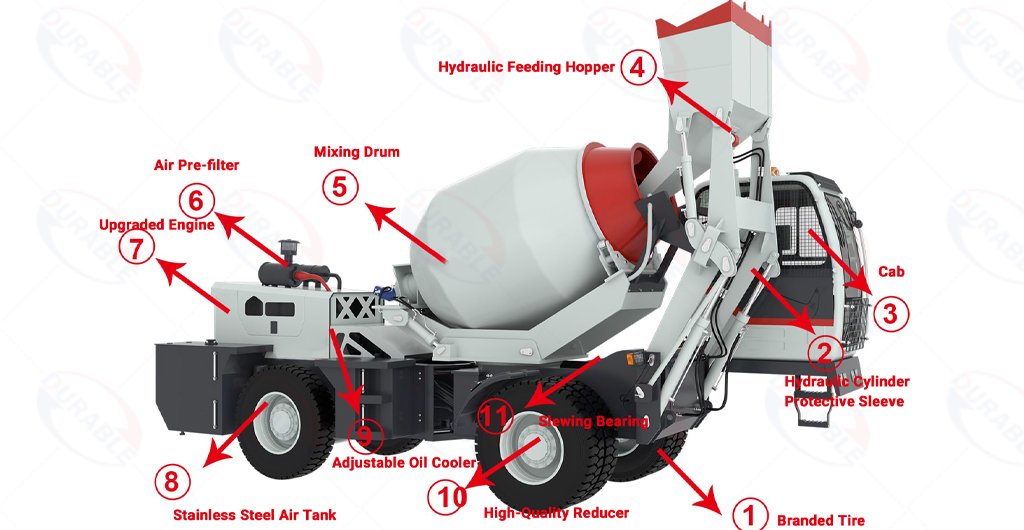
For every hour a breakdown makes a mixer non-operational, you lose potential revenue. Unscheduled repairs for major components, such as the hydraulic pump or drum drive system, can be exceptionally costly. The goal of effective equipment maintenance is prevention. It involves dedicating small, regular efforts to avert large, future expenditures.
A focus on how to minimize wear and tear also enhances safety on the job site. A machine with compromised brakes or a faulty hydraulic system poses a significant risk. Proper component care ensures the mixer operates in a predictable and safe manner. Ultimately, equipment with an extended lifespan retains a much higher resale value, protecting the initial investment.
How Can Proper Loading Protect the Bucket and Hydraulics?
Correct loading techniques are fundamental to protecting the bucket, loader arms, and hydraulic system from shock damage.Scoop the material smoothly, utilizing the machine’s power rather than its momentum.
The front-end loader is not a demolition tool. Ramming the bucket into aggregate piles generates shockwaves that propagate through the entire machine. This action damages pins, bushings, and hydraulic cylinders, leading to joint looseness and hydraulic leaks over time. It is a primary cause of accelerated bucket wear.
The correct operating procedure involves approaching the material pile at a steady, controlled speed. Push the bucket into the material while simultaneously curling it upwards. This allows the hydraulic power to perform the work efficiently. Aggressively scraping the bucket’s cutting edge on hard surfaces should be avoided. This operational discipline will dramatically extend the lifespan of the loading assembly and its critical hydraulic components.
How Does Leftover Concrete Accelerate Drum Wear?
Hardened concrete inside the mixing drum is highly abrasive and causes significant damage. It grinds away the mixing blades and the drum wall, and it can unbalance the drum, leading to the destruction of bearings and the rotation motor.
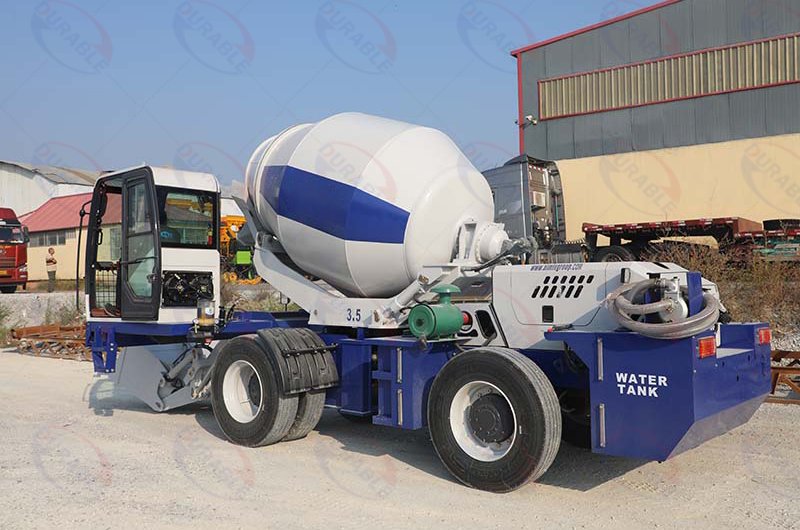

A primary rule of mixer maintenance is the immediate and thorough cleaning of the drum after each use. Concrete begins to hydrate and harden quickly. A thin layer left overnight can become extremely difficult to remove. This residual material acts as an abrasive agent, creating major component care challenges.
Effective mixing drum cleaning is a straightforward process. After discharging the final batch, add a mixture of water and coarse aggregate to the drum. Rotate the drum for several minutes to scour the interior surfaces. Afterwards, discharge the slurry and rinse the drum completely. A clean drum is essential for maintaining mix quality and is the most important step in preventing rapid wear of the mixing system.
How Do Driving and Steering Affect the Chassis and Tires?
Aggressive driving and abrupt steering maneuvers place immense stress on the chassis, axles, and tires. A self-loading mixer is a heavy vehicle, particularly when fully loaded. Smooth and prudent operation is critical to preventing long-term structural damage.
Operating at high speeds over rough terrain or impacting potholes delivers severe shocks to the machine’s structure. This can damage the axle suspension and the central articulation joint. This joint is a critical structural pivot, and its repair is costly. Adhering to proper operating procedures for driving is crucial.
Always operate the machine at a speed appropriate for the terrain and conditions. Avoid sharp, sudden turns, as they place significant lateral stress on the tires and the articulation pivot. Before starting work, allow the engine and hydraulic oil to warm up for several minutes to reach their optimal operating temperature. This practice protects the engine and hydraulic system from the stresses of a cold start.
Which key lubrication points must you grease regularly?
All pivot points, including those on the loader arms, steering cylinders, and the central articulation joint, require daily greasing. Lubrication is the most cost-effective method for preventing wear in pins and bushings.
Construction machinery lubrication is a mandatory daily procedure. The machine’s metal-on-metal joints are under constant high pressure. Without a sufficient film of grease, these components will experience accelerated wear, leading to joint play, imprecise movements, and eventual failure.
The operator’s manual provides a diagram of all grease points (zerks). Use a grease gun to apply fresh grease to each point. Continue pumping until fresh grease extrudes from the joint. This action not only lubricates but also purges contaminants like dirt, dust, and water. This brief daily routine is a cornerstone of effective equipment maintenance.
How Does Hydraulic Oil Health Affect Component Lifespan?
The hydraulic system is integral to the machine’s operation. Clean hydraulic oil, maintained at the correct level, is essential for a long component lifespan. Contaminated or low oil levels will lead to rapid failure of the pump, cylinders, and valves.
Hydraulic system maintenance begins with a daily inspection. Before starting the engine, check the hydraulic oil level and visually inspect the machine for leaks, paying close attention to hoses and fittings. A minor leak can escalate into a catastrophic failure if ignored.
Contamination is the primary cause of hydraulic system failure. Dirt and water suspended in the oil act as an abrasive, damaging precision components from within. Never open the hydraulic reservoir in a dusty environment, and change the hydraulic filters according to the manufacturer’s maintenance schedule. Clean oil is paramount for a healthy, responsive, and durable hydraulic system. This is a critical aspect of component care for any complex machine, including a mobile concrete batching plant.
Which key lubrication points must you grease regularly?
Daily inspections of the engine and drivetrain are simple yet vital for machine health. These checks should include the engine oil level, coolant level, and air filter status. This ensures the engine operates efficiently and prevents overheating or internal damage.
Before the first start of the day, perform a brief walk-around inspection. Within the engine compartment, use the dipstick to verify the engine oil level. The coolant reservoir must also be checked to ensure it is at the correct level. Low coolant can lead to engine overheating and severe damage.
You should inspect the air filter restriction indicator. In dusty conditions, the air filter will clog more rapidly. A clogged filter restricts airflow to the engine, which reduces power, increases fuel consumption, and can lead to serious engine problems. These quick checks are a fundamental part of any maintenance schedule and will help extend the lifespan of the machine’s powertrain.
How Can Blade and Drum Wear Be Effectively Slowed?
Adhering to the correct material loading sequence can significantly slow wear on the mixing blades and drum. You must always add a partial amount of the required water first. This prevents dry, abrasive materials from grinding against the bare steel surfaces.
The loading sequence has a major impact on component wear. Dry sand and cement should never be introduced into an empty drum, as this creates a highly abrasive environment. The proper method is to first add approximately one-third of the total water for the batch. This is followed by the sand and cement, then the aggregates, and finally the remaining water.
This “wet charging” process creates a lubricating slurry that cushions the materials and dramatically reduces abrasive wear. Additionally, over-mixing should be avoided. Once the concrete has reached homogeneity, the drum’s rotation should be stopped. Unnecessary mixing only accelerates wear. For operations using highly abrasive aggregates, installing blades with a hardened wear surface is a recommended consideration. This principle of mixer maintenance applies to all types, including the drum on a concrete mixer truck.
What Are the Correct Methods for Tire Use and Maintenance?
Correct tire maintenance involves daily pressure checks and inspections for damage. Improper tire pressure is the leading cause of accelerated and uneven wear and negatively affects the machine’s stability and safety.
The tires support the entire weight of the machine and its payload. The manufacturer’s specified tire pressure is critical and must be maintained. The pressure in all four tires should be checked each morning before operation begins. Low pressure causes excessive tire flexing, leading to heat buildup and potential failure, while also causing wear on the tire shoulders.
Conversely, high pressure reduces the tire’s contact patch with the ground, decreasing traction and causing rapid wear in the center of the tread. During the daily walk-around, tires should be inspected for cuts, punctures, or bulges. Proper tire maintenance reduces replacement costs and prevents hazardous failures during operation.
What Are the Benefits of a Systematic Maintenance Plan?
A systematic maintenance schedule eliminates ambiguity from equipment care and ensures all required tasks are completed. This results in greater machine reliability, reduced downtime, and a longer overall service life.
Relying on memory for maintenance tasks is an unreliable strategy. A formal maintenance schedule is essential. This can be implemented as a simple checklist for daily and weekly tasks, including lubrication, fluid level checks, filter inspections, and cleaning.
A comprehensive plan also includes scheduled servicing for tasks like oil and filter changes, based on the machine’s operating hours. This proactive approach enables the identification and resolution of minor issues before they escalate into major, costly failures. It represents the difference between professional asset management and reactive breakdown response. A structured plan is the most effective method to minimize wear and tear and maximize the return on investment.
Common Questions About Self-Loading Mixer Care
Question 1: How often should hydraulic oil be changed?
The manufacturer’s recommendations in the service manual should be followed, which is typically every 1000 to 2000 operating hours. However, for operations in very hot or dusty environments, more frequent changes are advisable. Consistent hydraulic system maintenance is vital.
Question 2: What is the most common cause of a breakdown?
Industry experience indicates that the most common preventable breakdowns are related to hydraulic system failures stemming from contaminated oil or hose ruptures. The second most common cause is damage resulting from improper operation, such as shock loading the bucket.
Question 3: Can worn mixing blades be repaired?
The service life of mixing blades can often be extended by welding a new layer of hard-facing material onto the worn edges. However, blades are designed as replaceable wear parts. For optimal mixing performance, they should be replaced when significantly worn. This is a key task in mixer maintenance.
Question 4: Is it acceptable to leave the mixer loaded overnight?
No. Concrete should never be left in the drum for an extended period. It will begin to set, which can seize the drum and cause catastrophic damage. The pour must be completed and a full mixing drum cleaning must be performed at the end of every workday.
Summary: A Proactive Approach to Extending Lifespan
To extend the operational life of a self-loading mixer, a culture of proactive care must be adopted. This integrates disciplined operation with a consistent equipment maintenance program. The focus is on preventing failures, not merely reacting to them.
This guide has covered the importance of smooth operation, particularly during loading and transit. It has been emphasized that daily cleaning and lubrication are mandatory procedures. The critical role of maintaining the hydraulic system, engine, and tires has also been detailed. By implementing a formal maintenance schedule, operators can effectively minimize wear and tear and ensure the machine remains a productive asset for its entire projected service life. This investment in preventative care yields significant returns.
About Durable
Since 2001, Durable Machine has specialized in the manufacturing of high-quality construction machinery. Our products, including the robust Durable’s self-loading concrete mixer, are engineered to withstand demanding job site conditions. We believe that superior machinery requires superior care. Durable Machine is committed to providing customers with the knowledge and support needed to maximize the value and longevity of their investment.
Maximize Machine Lifespan with Durable
For those seeking to reduce downtime and lower long-term repair costs, Durable Machine offers expert guidance. Contact our team for more information on our reliable equipment and best practices for operation and maintenance. We can assist in building a more profitable and efficient operation.