 Durable Machinery
Get Price
Charcoal Briquettes for BBQ: A Complete Guide from Raw Material to Sizzling Grills
With 50 years of experience in biomass processing, it is understood that the journey from raw materials to the perfect charcoal for a BBQ involves a series of scientific principles, processes, and market “secrets.” Many consumers, and even some producers, only see the surface of charcoal. This guide delves into the manufacturing and use of charcoal briquettes. It reveals insights that determine product quality and the overall BBQ experience. This article will help unlock the “thermodynamics and flavor art” of BBQ.
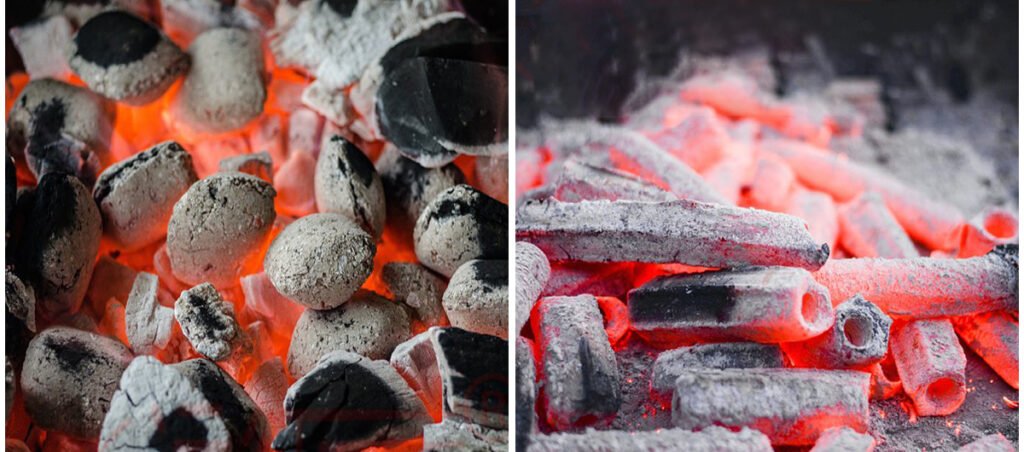
Charcoal Briquettes: Why are they so popular for BBQ, and how do they fundamentally differ from traditional charcoal?
Charcoal briquettes have gained immense popularity for BBQ. This is due to their consistent burn, lower smoke output, and predictable heat. The fundamental difference between briquettes and traditional lump charcoal lies in their manufacturing process and composition. Traditional lump charcoal is often made by carbonizing wood directly. This results in irregular pieces with varying sizes and densities. In contrast, BBQ charcoal briquettes are engineered products. They are made from finely ground carbonized biomass, mixed with a binder, and then compressed into uniform shapes. This process ensures uniformity in size, shape, and density.
The uniformity of briquettes leads to a more predictable and longer burning time. This provides stable heat for cooking. Traditional lump charcoal can burn unevenly. It might have hot spots and cold spots. Briquettes offer a more controlled grilling experience. They produce less smoke and fewer sparks, especially when made with high-quality raw materials and eco-friendly binders. This makes for a cleaner and more enjoyable BBQ. Additionally, the manufacturing process allows for precise control over the briquettes’ characteristics. This includes fixed carbon content, ash content, and burning duration. This level of control is not possible with traditional lump charcoal. This makes charcoal briquette production a superior method for consistent quality.
Sustainable Sourcing: Which agricultural and forestry wastes can be transformed into high-quality BBQ charcoal briquettes?
Agricultural and forestry wastes offer a vast and sustainable resource for charcoal briquette production. Many people believe all biomass carbonizes similarly, or they only differentiate between “wood charcoal” and “machine-made charcoal.” However, the choice of raw material significantly impacts the final BBQ experience. It acts as the “genetic code” for the charcoal. Utilizing these wastes not only solves disposal problems but also transforms them into valuable biomass BBQ charcoal. This process represents a significant step in waste resource utilization.
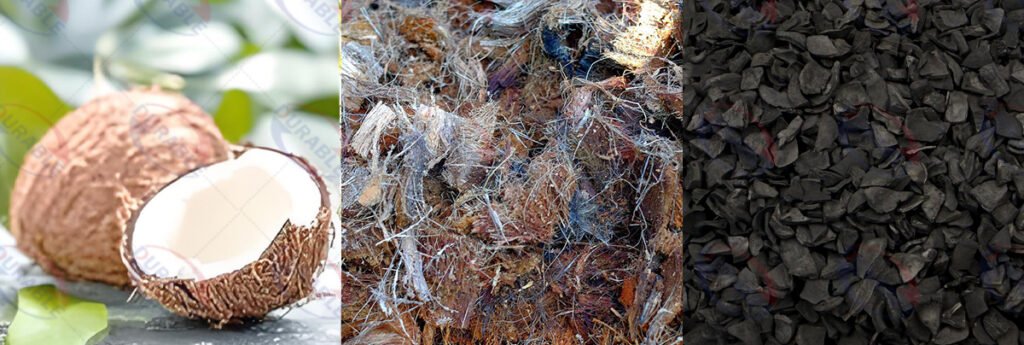
Raw material selection dictates the final grilling flavor and ash characteristics. Hardwoods like oak, maple, and fruit tree woods, when carbonized, yield higher fixed carbon content. They offer longer burning times and less ash. They can also impart complex smoky flavors to food. Softwoods, such as pine and poplar, have lower fixed carbon. They burn faster and produce more ash. They may also generate irritating smoke. Coconut shells are particularly notable. Due to their dense fiber structure and high lignin content, carbonized coconut shells produce extremely high fixed carbon (often above 75%), very low ash content (below 3%), and smoke-free, odorless high-quality charcoal powder. This makes them a preferred choice for premium grilling charcoal, especially for shisha and fine BBQ applications. Their porous structure also offers excellent adsorption properties, helping to filter impurities. Consumers often complain about charcoal having off-flavors or excessive smoke. This usually stems not from the carbonization process itself, but from improper raw material selection. This might include using softwoods with high volatile resins or inadequately carbonized materials. While the procurement cost for premium raw materials like coconut shells might be slightly higher, their high charcoal yield and stable quality result in higher value-added end products. This makes them more economically viable in the long run.
BBQ Briquette Production: What is the core production process, and what are the key steps from raw material to a sizzling BBQ?
The core charcoal briquette production process transforms raw biomass into usable BBQ fuel. This comprehensive journey involves a series of critical steps. Each step plays a vital role in ensuring the quality and efficiency of the final BBQ charcoal briquette. This sequence moves from initial material preparation to the final usable product.
The process begins with raw material pretreatment. This involves reducing the biomass size and drying it to optimal moisture levels. After pretreatment, the material undergoes carbonization. This stage converts the biomass into raw charcoal under controlled heating conditions. The resulting charcoal is then subjected to fine grinding. This produces a powder of specific particle size distribution. Next, this charcoal powder is combined with an eco-friendly binder and thoroughly mixed. This creates a homogeneous mixture ready for shaping. The mixture then enters the briquetting stage. Here, it is compressed into uniform briquette shapes. Finally, these newly formed briquettes go through drying and cooling. This hardens them and removes any residual moisture. These steps are essential for achieving high-quality biomass BBQ charcoal. This structured approach ensures a consistent and superior product.
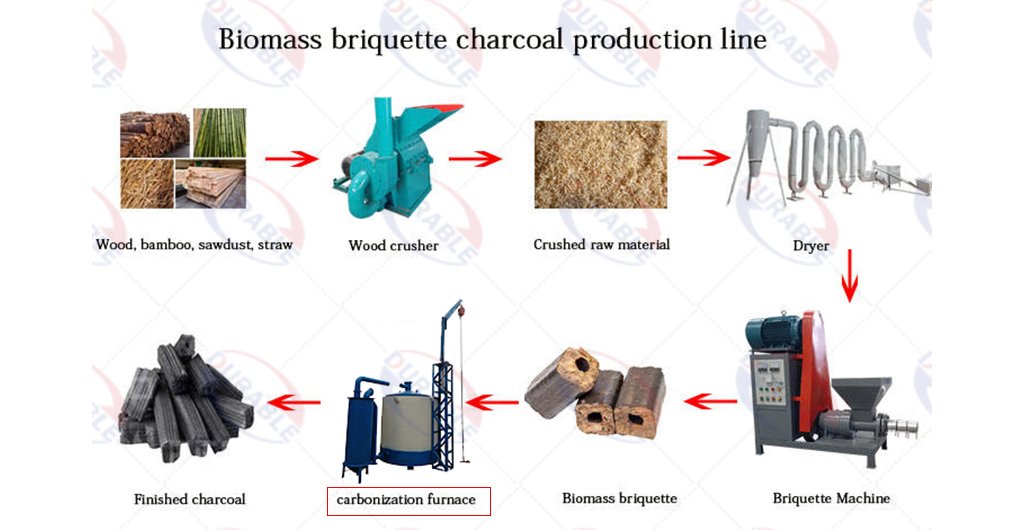
| Step Number | Key Activity | Purpose |
|---|---|---|
| 1 | Raw Material Pre-treatment | Reduce size, remove moisture for efficient carbonization |
| 2 | Carbonization | Convert biomass into charcoal under controlled heat |
| 3 | Fine Grinding | Mill charcoal into powder suitable for briquetting |
| 4 | Binding and Mixing | Incorporate binder, ensure uniform mixture |
| 5 | Briquetting | Compress mixture into desired briquette shapes |
| 6 | Drying and Cooling | Harden briquettes, ensure stability for storage and use |
Step One: Raw Material Pre-treatment—How to efficiently crush and dry biomass to lay the foundation for high-quality carbonization?
Raw material pre-treatment is a foundational step in charcoal briquette production. Its efficiency directly impacts the quality of the carbonization process and the final charcoal. The goal is to achieve an optimal moisture content and uniform particle size. This prepares the biomass for subsequent stages.
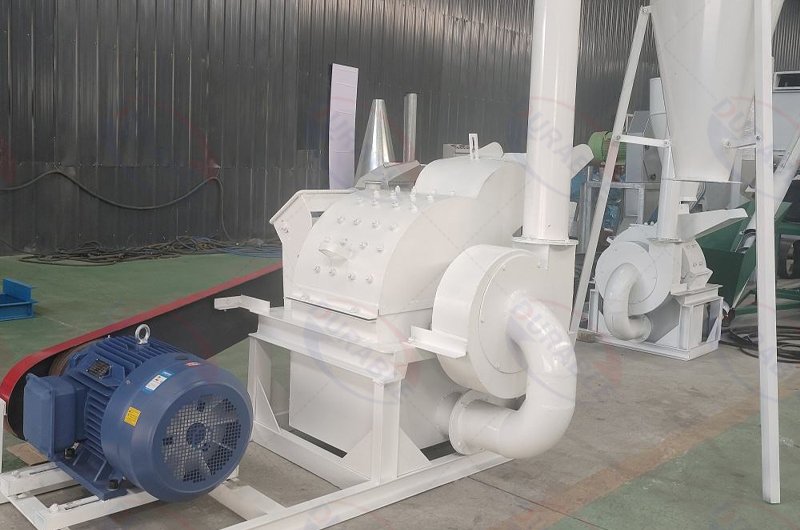
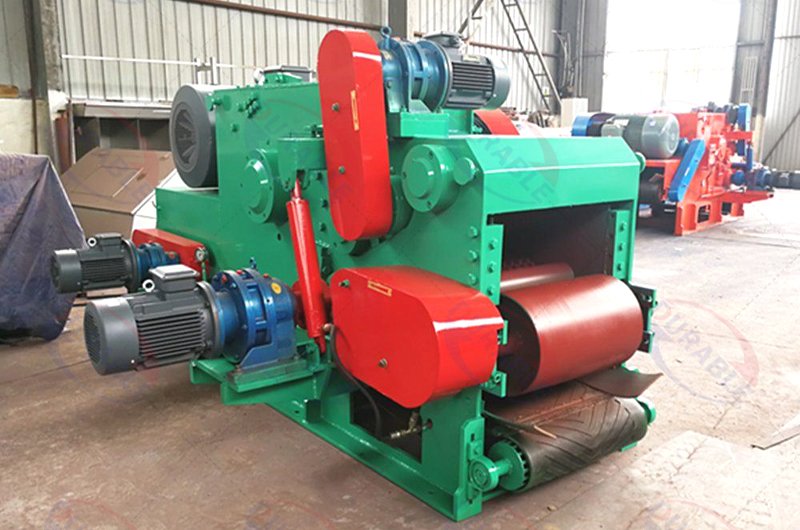
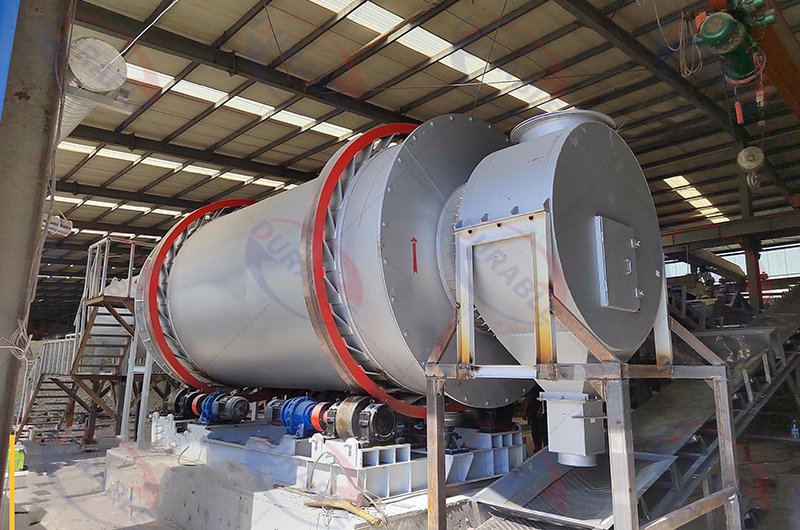
Many production issues, such as low carbonization yield or poor charcoal quality, often stem from inadequate pre-treatment rather than the carbonization equipment itself. Biomass materials vary greatly in size and moisture content. For efficient carbonization, the ideal moisture content should typically be below 15%, with under 10% being optimal. High moisture levels require extra energy during carbonization to evaporate water. This reduces carbonization efficiency and increases energy consumption. Furthermore, oversized or unevenly sized raw materials carbonize inconsistently. This leads to a non-uniform charcoal product. To address these challenges, efficient crushing and drying equipment are essential. A hammer mill crusher or a drum chipper can effectively reduce biomass to the required particle size. For drying, a triple pass rotary drum dryer is an excellent choice. It handles large volumes and can be integrated with waste heat recovery systems from the carbonization furnace. This reduces overall energy costs. Investing in quality pre-treatment equipment significantly enhances the yield and quality of the final BBQ charcoal briquette. It also lowers operational costs in the long run.
Step Two: Advanced Carbonization—Which carbonization furnace can efficiently convert biomass into high-quality BBQ charcoal?
The carbonization process is central to charcoal briquette production. It transforms biomass into high-quality BBQ charcoal. Many consumers and small-scale producers often simplify the carbonization process to merely “burning biomass into charcoal.” However, precise temperature control and atmospheric management within the furnace are critical. These factors profoundly influence the purity and characteristics of the final charcoal. Improper carbonization can leave “ghost impurities.” These impact both grilling health and flavor.
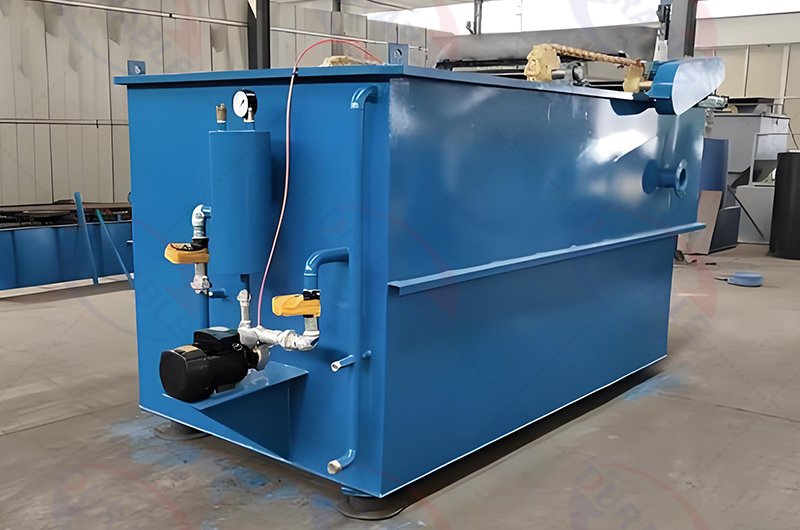
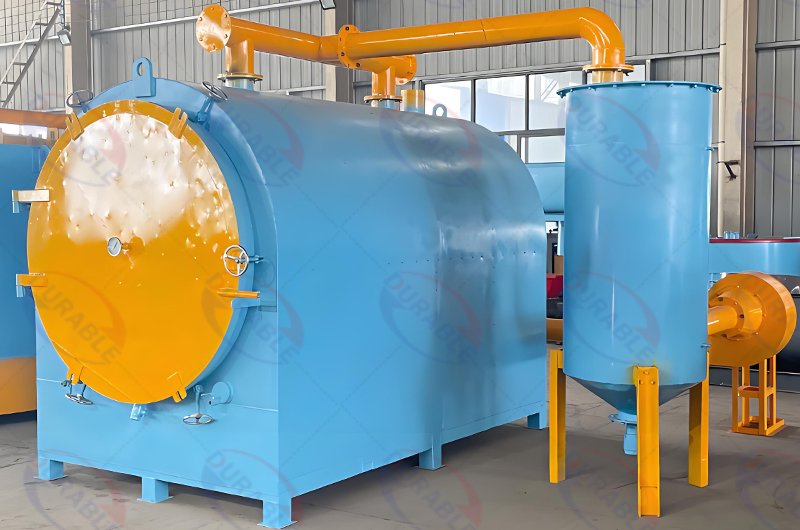
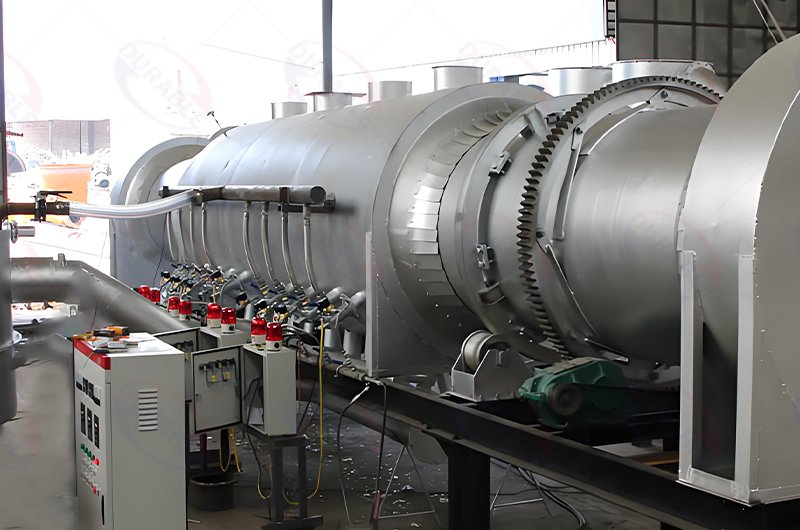
Carbonization is not just about converting organic matter into carbon; it is a vital step in removing impurities, volatile components, and potentially harmful substances. Inadequate carbonization can leave behind volatile matter. This can cause excessive smoke and unpleasant odors during grilling. It might also pose health risks. Low-temperature carbonization (300-450°C) often yields a higher charcoal percentage. However, it retains more volatile organic compounds (such as methanol, acetic acid, and tar). These substances release large amounts of smoke and off-flavors when burned. They can also be harmful to health. Medium to high-temperature carbonization (450-650°C) is the ideal range for producing high-quality BBQ charcoal. At these temperatures, most volatile components are thermally decomposed and expelled. This leaves behind a high-purity fixed carbon product. Crucially, strict oxygen control within the carbonization furnace is essential. The process must occur in an oxygen-free or oxygen-poor environment to ensure pyrolysis, not combustion. Consumers who complain about a “chemical taste” in their charcoal often encounter products that are either incompletely carbonized or produced using unsuitable carbonization methods, such as direct burning. Advanced carbonization processes often recover wood tar and wood vinegar. These are valuable byproducts from the volatile compounds that need to be fully removed from the charcoal.
To ensure efficient conversion and high quality, advanced biomass carbonization furnace types are recommended. A continuous carbonization furnace, a horizontal charcoal carbonization furnace, or a rotary drum biomass carbonization furnace can achieve precise control over temperature and atmosphere. These furnaces ensure uniform and thorough carbonization. This effectively eliminates issues with smoke and odor. They also offer opportunities for waste heat recovery, enhancing overall energy efficiency.
Step Three: Fine Grinding—How to mill carbonized charcoal into highly active powder suitable for briquetting?
After carbonization, the raw charcoal blocks must be processed into a fine powder. This stage, known as fine grinding, is critical for the production of high-quality charcoal briquettes. The particle size distribution of this charcoal powder fundamentally affects the strength, density, and burning characteristics of the final briquettes. It is a common misconception that any charcoal powder will suffice, or that a coarser grind is acceptable. However, precise grinding transforms the charcoal into a highly active powder ideal for briquetting.
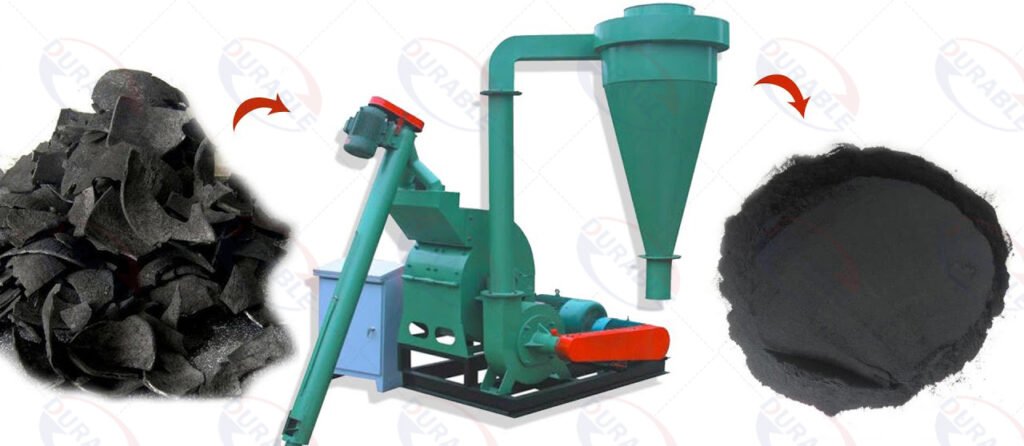
The particle size distribution of the charcoal powder significantly impacts the briquetting process and the quality of the end product. Overly coarse charcoal powder poses challenges. It struggles to mix uniformly with binders. This leads to briquettes with lower density and reduced strength, making them fragile and prone to crumbling. Such briquettes also burn unevenly. Conversely, excessively fine charcoal powder (micron-sized) can also create issues. While it increases surface area, it can lead to over-pulverization, which may increase binder consumption. It can also make briquettes difficult to demold and extend their drying time. The ideal particle size distribution for BBQ charcoal briquettes typically ranges between 0-3 millimeters, with a significant proportion (around 60-70%) of particles being 0-1 millimeter. This balanced distribution ensures optimal interaction with the binder and allows for effective compression during briquetting. To achieve this precise particle size, a charcoal pulverizer is essential. These machines are designed to grind carbonized charcoal blocks efficiently. The selection of appropriate screen mesh sizes for the pulverizer is crucial. It directly dictates the fineness of the resulting charcoal powder. Precision in this step minimizes waste and optimizes the binding and briquetting processes, contributing to superior charcoal briquette production.
Step Four: Eco-friendly Binders and Uniform Mixing—How to choose smoke-free, odorless binders and ensure perfect charcoal powder briquetting?
Binders are often referred to as the “skeleton and soul” of charcoal briquettes. They play a decisive role in the briquettes’ strength, burning characteristics, and ash content. Many consumers do not understand the function of binders in charcoal briquettes, sometimes even mistaking them for “chemical additives.” However, selecting excellent, eco-friendly binders is critical. Such binders must be odorless, non-toxic, and produce low ash. This ensures perfect charcoal powder briquetting.
The choice and application of binders directly impact several key attributes of the BBQ charcoal briquette. Binders influence the briquette’s strength, which encompasses its compressive strength and resistance to breakage. This strength is crucial for minimizing losses during transportation and storage. Binders also affect the burning characteristics of the briquette. This includes properties such as being smoke-free, odorless, and providing a long burning duration. These characteristics significantly influence market acceptance. Furthermore, the binder contributes to the overall ash content, which impacts the user experience. The most suitable choices are natural starch-based binders, such as corn starch or cassava starch. When properly gelatinized, these starches provide sufficient adhesiveness. They also produce very low ash content upon burning and do not generate off-odors.
A common industry misconception is that using more binder automatically improves briquette quality. However, excessive binder can increase ash content, impede charcoal breathability, and potentially generate a slight odor during the initial burning phase. Expert experience suggests that through precise charcoal powder particle size control and efficient mixing processes, the usage of natural starch binders can be limited to 2-4%. This is significantly lower than the 5-8% or higher often found in lower-quality briquettes. The uniform mixing of binder and charcoal powder is paramount. Utilizing a high-shear charcoal mixer or a wheel mill mixer ensures that each charcoal particle surface is evenly coated with the binder. This meticulous mixing enhances briquette strength and promotes uniform combustion. While quality binders and advanced mixing equipment represent an increased initial investment, they reduce briquette breakage losses and elevate product quality. This ultimately boosts market competitiveness for charcoal briquette production.
Step Five: Efficient Briquetting—How to choose the best briquette extruder or press machine for BBQ charcoal production?
The briquetting stage is where the mixed charcoal powder and binder are transformed into their final, usable form. Choosing the right briquetting machine is crucial for producing high-density, uniformly shaped BBQ charcoal briquettes. Many consumers do not recognize the importance of briquette shape and density, viewing them simply as “a piece of charcoal.” However, the shape, size, and density of charcoal briquettes are engineered for specific grilling scenarios. They directly influence burn time, heat output, and stacking convenience.
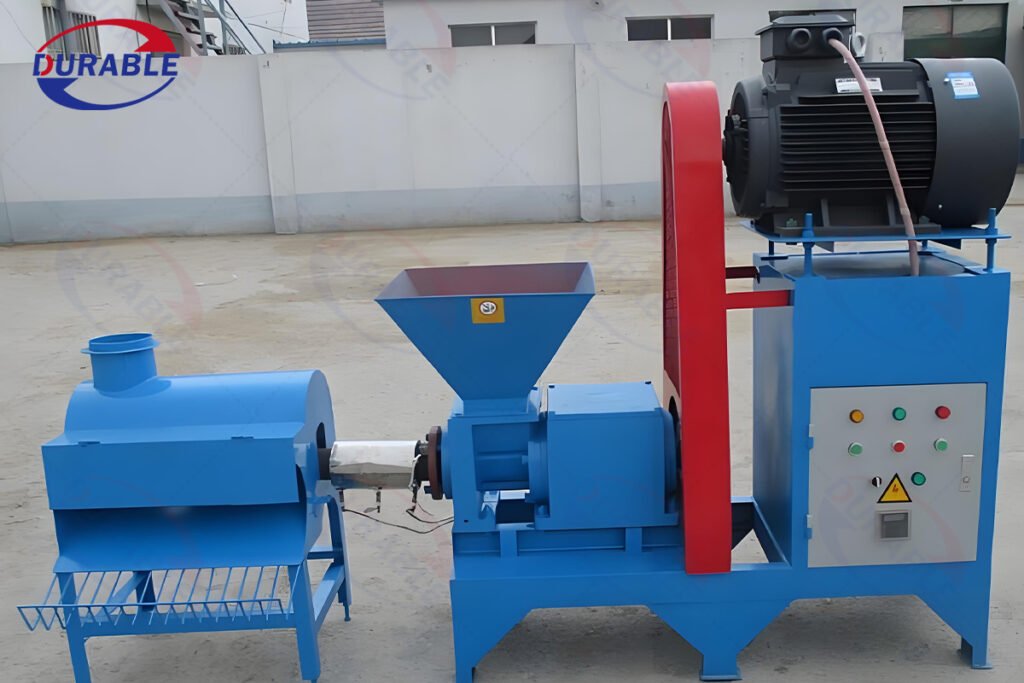
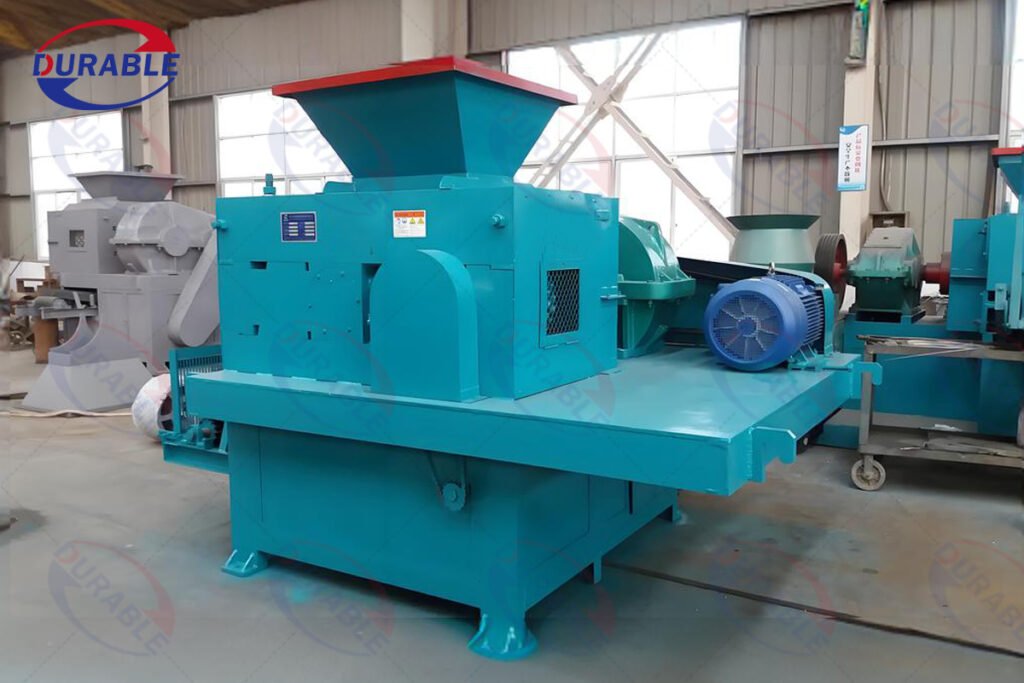
Different types of briquetting machines cater to various production scales and desired product characteristics. Pillow-shaped or square briquettes are common due to their ease of stacking and transport. Medium-density pillow-shaped charcoal offers long and stable burning times. This makes them suitable for extended, slow grilling. Hollow hexagonal or cylindrical briquettes enhance surface area and internal airflow channels. This improves combustion efficiency and ignition speed. The internal voids allow air circulation. This helps the briquettes burn evenly from the inside out. It also reduces the risk of extinguishing. These types usually feature higher density to ensure prolonged burning. High-density briquettes are manufactured using high-pressure machines, such as hydraulic briquette presses or heavy-duty roller presses. Greater density means more carbon in a given volume. This results in longer burn times and more stable heat output. For BBQ charcoal production, a biomass briquette machine (often an extruder) is suitable for producing cylindrical briquettes. For shaped briquettes like pillows or balls, a charcoal coal ball press machine is used. The selection depends on the target market and desired briquette characteristics. For quick grilling of items like kebabs or burgers, hollow, high-density briquettes that ignite quickly and deliver concentrated heat are ideal. For slow grilling or smoking ribs and brisket, dense pillow-shaped or square briquettes with long, uniform burning times are preferred. These can maintain stable temperatures over extended periods. Poor quality briquettes often lack density and have many internal voids. This leads to fast burning, excessive ash, and inconsistent heat. By hand, a heavier briquette of the same size generally indicates higher density and better quality.
Step Six: Smart Drying and Cooling—How to ensure the hardness, strength, and storage stability of charcoal briquettes?
After briquetting, the newly formed charcoal briquettes still contain a significant amount of moisture. This moisture must be thoroughly removed. The drying and cooling process is crucial for achieving optimal hardness, strength, and long-term storage stability. While drying is an energy-intensive step, it is fundamental for maximizing the value and quality of the final BBQ charcoal briquette.
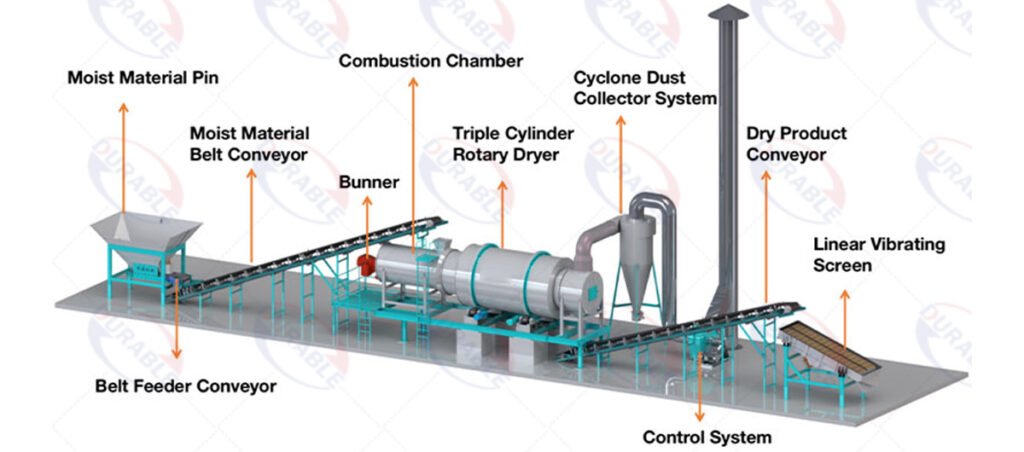
Many operations often overlook proper briquette drying. Or they resort to inefficient and high-energy consumption methods. Proper drying is vital for several reasons. It prevents the briquettes from becoming soft and fragile, ensuring they withstand handling and transport. It also inhibits mold growth and prevents quality degradation during storage. The most common and effective industrial drying method is using a mesh belt dryer. These dryers offer high efficiency and a high degree of automation. They provide uniform drying conditions. Parameters such as temperature, airflow, and conveyor belt speed can be precisely adjusted. This fine-tuning controls the drying effect. A triple pass rotary drum dryer can be adapted for drying biomass briquettes. These systems can utilize waste heat from the carbonization furnace or hot air from biomass burners. This significantly reduces operational costs.
The drying process for briquettes does not prioritize speed above all else. A carefully designed drying curve is necessary. It is advisable to begin with lower temperatures. Then, gradually increase them. This prevents rapid surface drying, which can form a hard outer shell. This hard shell can trap moisture inside the briquette, hindering thorough drying. Once dried, the briquettes must be cooled. This brings them to ambient temperature before packaging or storage. Proper cooling prevents re-absorption of moisture. It also stabilizes the briquettes’ physical structure. Thoroughly dried and cooled briquettes are not only stronger and less prone to breakage. They also maintain their quality consistently during storage and transportation. This ensures consumer satisfaction and enhances the reputation of the charcoal briquette production.
Achieving High Quality: How to configure key equipment for a complete BBQ charcoal briquette production line to achieve high yield and efficiency?
Configuring key equipment for a complete BBQ charcoal briquette production line is critical for achieving high yield and efficiency. This integrated approach ensures every stage of charcoal briquette production works in harmony. It maximizes output and maintains product quality. Many production lines fail to reach their potential due to uncoordinated equipment choices.
A high-yield and efficient production line starts with robust raw material handling. This includes efficient crushing equipment, such as a hammer mill crusher, paired with a powerful drying system like a triple pass rotary drum dryer. These systems ensure a consistent supply of prepared biomass. The heart of the line is the carbonization furnace. A continuous carbonization furnace or a rotary drum biomass carbonization furnace offers precise temperature control. This maximizes carbonization efficiency and charcoal yield. These advanced furnaces can also integrate waste heat recovery systems. This significantly reduces energy consumption by utilizing hot flue gases to pre-dry incoming biomass or power other processes. This creates an energy self-sufficient system.
Following carbonization, efficient grinding and mixing equipment are crucial. A charcoal pulverizer mills the charcoal to the desired fineness. This is followed by a charcoal mixer that thoroughly blends the charcoal powder with an eco-friendly binder. The final shaping occurs in the briquetting machine. Whether it is a biomass briquette machine (extruder) for uniform rods or a charcoal coal ball press machine for shaped briquettes, the choice impacts the final product’s characteristics. Post-briquetting, an automated mesh belt dryer ensures uniform drying and cooling. This hardens the briquettes and guarantees their storage stability. Automated conveyor systems link all these stages. This minimizes manual labor and increases overall production throughput. This integrated configuration minimizes bottlenecks. It also maximizes energy efficiency. This leads to high-quality biomass BBQ charcoal with optimal yield.
BBQ in Practice: How to properly light charcoal briquettes, master precise temperature control, and enjoy smokeless, delicious BBQ?
Mastering the art of BBQ involves more than just cooking food over fire. It requires understanding how to properly light charcoal briquettes, achieve precise temperature control, and ultimately enjoy a smokeless, delicious grilling experience. Many people rely on liquid accelerants or “instant light charcoal” for ignition. However, these methods can negatively impact food flavor and health.
True BBQ professionals utilize physical principles and efficient tools for ignition. This avoids any chemical residue. The chimney starter is the only professional ignition method recommended. Its design uses the chimney effect. This creates a strong draft, accelerating charcoal combustion. Place newspaper or a solid fire starter at the bottom. Position the briquettes on top. Once lit, hot air rises. This draws in cold air from below. This creates a rapid self-circulating draft. Within 15-20 minutes, uniformly lit briquettes are ready. It is crucial to avoid liquid accelerants. These, such as kerosene or lighter fluid, may not evaporate completely. Residues can remain on the briquettes. They then vaporize during grilling. This contaminates food with unpleasant chemical odors. It also poses health risks. Similarly, “instant light charcoal” should be avoided. These briquettes often contain nitrates or flammable chemicals. While convenient, the smoke and taste produced during their combustion can also taint food. High-quality BBQ charcoal briquettes, combined with a chimney starter, enable chemical-free, smoke-free, and rapid ignition. This is a simple yet crucial step for enhancing the BBQ experience.
Mastering temperature control is another critical aspect. The grill’s top and bottom vents act as “oxygen valves.” They directly control the charcoal’s burn rate and temperature. The bottom vent controls the oxygen entering the grill. Opening it wider allows more oxygen. This makes the charcoal burn hotter and faster. The top vent controls the exhaust of hot air and smoke. Opening it wider allows heat and smoke to escape faster. This might slightly reduce temperature but prevents excessive smoking of food. To achieve precise temperature control, first open the bottom vent wide. This allows the briquettes to burn to the desired temperature. Then, fine-tune the bottom vent to maintain that temperature. Keep the top vent partially open to allow smoke to escape. This prevents overpowering smoky flavors. For high-heat direct grilling, both vents are typically fully or largely open. For low-and-slow cooking or smoking, both vents are adjusted to small openings. This restricts oxygen, allowing the charcoal to burn slowly and produce minimal smoke. Mastering vent adjustment is key to precise temperature control. It is far more effective and energy-efficient than frequently opening and closing the grill lid.
Quality Management: What are the key indicators for high-quality BBQ charcoal briquettes, and how can production be strictly controlled?
Effective quality management is paramount in charcoal briquette production. It ensures the consistent creation of high-quality BBQ charcoal briquettes. Many consumers view ash as simply waste after grilling. However, the amount of ash generated is a direct indicator of briquette quality and manufacturing efficiency. Low ash content signifies more than just less cleaning; it represents a higher effective energy conversion rate.
Strict production control relies on evaluating several key indicators. The first is ash content. High-quality briquettes typically have ash content below 3%. Coconut shell charcoal can achieve levels as low as 1.5%. This low ash originates from high-purity raw materials (like de-shelled coconut shells), thorough carbonization processes (which remove minerals and volatiles), and minimal use of inorganic binders. Excessive ash (above 8%) indicates either too many inorganic impurities, incomplete carbonization, or the use of too much non-natural binder. High ash can cover the charcoal surface. This hinders airflow. It also affects combustion efficiency. It reduces heat output. It can even impact food flavor. Low ash briquettes maintain stable heat for longer durations. They also require less frequent cleaning. Some inferior briquette producers might add cheap fillers like mud or lime to increase weight. This significantly increases ash content.
Other critical quality metrics include fixed carbon content, volatile matter content, and calorific value. High fixed carbon ensures longer burning times and higher heat output. Low volatile matter reduces smoke and odors. Consistency in burning time and ignition speed is also vital for user experience. Briquette strength (resistance to crushing and handling) ensures minimal breakage during transport and storage. Regular testing throughout the charcoal briquette production process is essential. This includes raw material moisture analysis, carbonization temperature monitoring, charcoal powder particle size analysis, and binder concentration checks. Finally, finished product testing includes drop tests, burn rate tests, and smoke emission checks. Implementing these rigorous charcoal quality control measures throughout production guarantees a premium BBQ charcoal briquette product.
Market Insights: How to evaluate the cost, revenue, and market prospects of investing in BBQ charcoal briquette production?
Investing in BBQ charcoal briquette production requires a thorough evaluation of costs, potential revenue, and market prospects. Many projects face challenges not due to equipment failures, but from insufficient financial planning. A clear understanding of these economic factors is crucial for success. This section outlines how to assess the viability of such an investment.
The total investment cost for a charcoal briquette production line comprises several key components. Firstly, there is the equipment cost. This includes purchasing a biomass carbonization furnace, biomass crushers (e.g., hammer mill crusher), dryers like a triple pass rotary drum dryer, charcoal pulverizers, mixers, briquetting machines (e.g., biomass briquette machine or charcoal coal ball press machine), and automated conveyor systems. Environmental protection systems for waste gas treatment are also a significant part of this. Secondly, installation and commissioning costs are substantial. Thirdly, civil works and land preparation are necessary expenditures. Fourthly, working capital for raw materials, labor, and initial operational expenses must be factored in. Fifthly, obtaining necessary permits and licenses adds to the overall cost.
Operational costs include continuous expenses like raw material sourcing (if not self-supplied agricultural waste), labor wages, electricity consumption, equipment maintenance, and binder costs. However, an optimized charcoal briquette production line can achieve energy self-sufficiency. By recycling syngas from the carbonization process to fuel the furnace, significant savings on external fuel costs are realized. Efficient drying processes also contribute to lower energy consumption, directly impacting the charcoal production line cost.
Revenue and market prospects depend heavily on product quality and market demand. High-quality BBQ charcoal briquettes, especially those derived from premium biomass like coconut shells, can command higher selling prices. The production capacity of the line directly translates to potential revenue. Furthermore, the sale of valuable byproducts like wood vinegar, collected during carbonization, can generate additional income. Reduced costs associated with waste disposal of agricultural and forestry residues also contribute to overall profitability. The market for biomass BBQ charcoal is growing steadily, driven by increasing consumer demand for sustainable, clean-burning, and high-performance grilling fuels. A thorough financial analysis, projecting revenues and all costs over the project’s operational lifespan, provides a clear picture of profitability and the charcoal briquette market prospect.
FAQs
Question 1: Why are charcoal briquettes preferred for BBQ over traditional charcoal?
Charcoal briquettes are favored for their consistent burn time, uniform heat output, lower smoke generation, and predictable performance, making for a more controlled and enjoyable grilling experience.
Question 2: What agricultural and forestry wastes are ideal for making high-quality BBQ charcoal briquettes?
Ideal wastes include hardwoods (oak, maple), coconut shells, bamboo, and various crop residues. Coconut shells are particularly prized for their high fixed carbon, low ash, and smokeless properties.
Question 3: How does advanced carbonization ensure high-quality BBQ charcoal from biomass?
Advanced carbonization uses precise temperature control (450-650°C) and an oxygen-free environment to convert biomass. This process efficiently removes volatile impurities, resulting in high-purity fixed carbon for clean and efficient burning.
Question 4: What is the optimal particle size for charcoal powder before briquetting, and why is it important?
The optimal particle size is typically 0-3 millimeters, with 60-70% between 0-1 mm. This ensures proper mixing with binders, high briquette strength, and uniform burning characteristics.
Question 5: How can a BBQ enthusiast master precise temperature control using charcoal briquettes?
Mastering precise temperature control involves using a chimney starter for ignition and skillfully adjusting the grill’s top and bottom vents. The bottom vent controls oxygen intake (heat intensity), and the top vent controls exhaust (smoke and heat retention).
Conclusion
Creating BBQ charcoal briquettes represents a sophisticated process. It transforms agricultural and forestry waste into a high-value product. This journey demands a deep understanding of raw materials. It requires precise control over carbonization. It also calls for meticulous briquetting techniques. Optimizing each step, from efficient crushing and drying of biomass to controlled carbonization, ensures high quality. The careful selection of binders and briquette machines guarantees a superior final product. Integrating automated production lines and robust quality control measures further enhances efficiency and market competitiveness. This complete process, supported by sustainable practices like energy self-sufficiency and environmental compliance, opens doors to significant profit. It also promotes ecological benefits. This “alchemy” of charcoal briquette production relies on scientific management, continuous improvement, and a keen eye for market trends.
About Durable
Durable Machine, established in 2001, is a prominent Chinese manufacturer. It specializes in mineral processing equipment and construction machinery. Durable also applies its industrial process knowledge to biomass energy equipment. Durable designs and constructs complete, integrated biomass fuel production lines. The company focuses on briquette machines and carbonization solutions. Its solutions prioritize efficiency, reliability, and environmental responsibility. Durable’s team collaborates closely with clients. It designs systems to match specific biomass types, production needs, and business goals. From initial consultations and plant design to custom equipment manufacturing, installation support, operator training, and comprehensive after-sales service, Durable ensures successful outcomes for investments.
For expert advice and a custom plan for a BBQ charcoal briquette production or horizontal charcoal carbonization furnace project, contact Durable’s engineering team today.