 Durable Machinery
Get Price
Search the whole station liberty-fse
Energy-Saving Soil Brick Making Machine
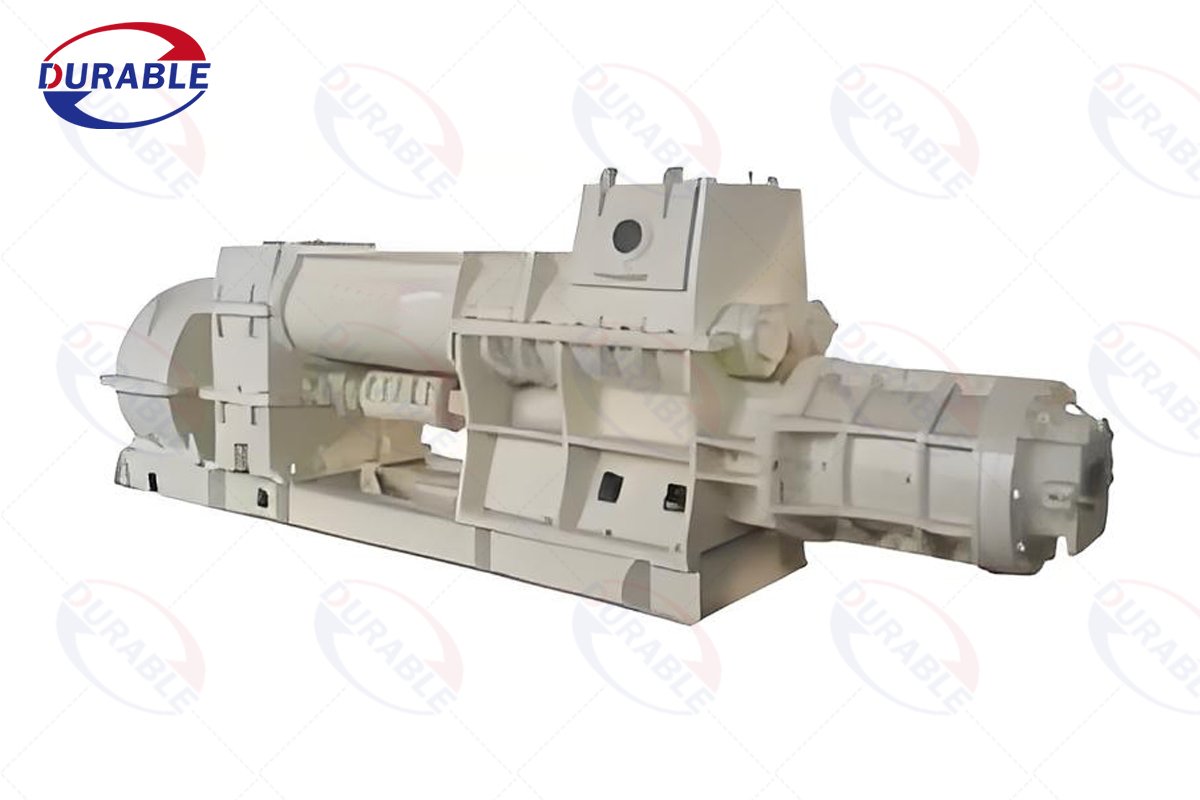
Capacity: 8000-14000 pieces per hour
Power: 90-132KW
Introduction:
Engineered for large-scale brick manufacturing, this industrial vacuum extruder delivers exceptional performance. It efficiently handles tough materials like clay, shale, and coal gangue. The integrated vacuum de-airing system eliminates air pockets, resulting in denser, stronger, and crack-resistant sintering bricks.
Maximize your brick production with our high-capacity vacuum extruder. Processing 8,000-14,000 bricks per hour with a 90-132KW power rating, this machine utilizes advanced vacuum de-airing for superior brick density and strength.
Semi-automatic Soil Brick Maker Machine
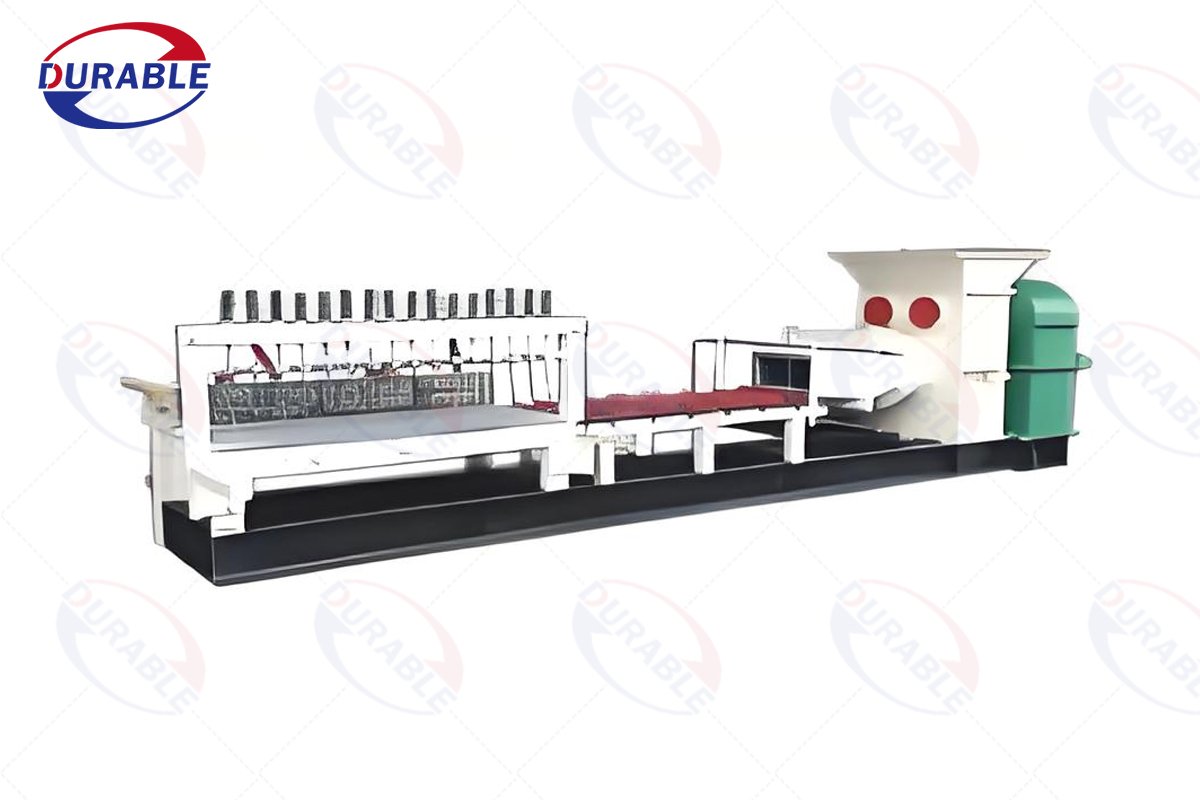
Capacity:2000-3000 pieces per hour
Power: 15HP/11KW
Introduction:
Produce high-quality soil bricks efficiently with our semi-automatic vacuum extruder. Offering a capacity of 2000-3000 bricks per hour and powered by a 15HP/11KW motor, this machine provides a cost-effective solution for small to medium-scale brick production.
Our semi-automatic vacuum extruder is the perfect solution for efficient and cost-effective soil brick production. This machine balances output with affordability. Its semi-automatic operation simplifies the process while maintaining quality and durability in your soil bricks
Small Energy Saving Vacuum Extruder Soil Brick Making Machine
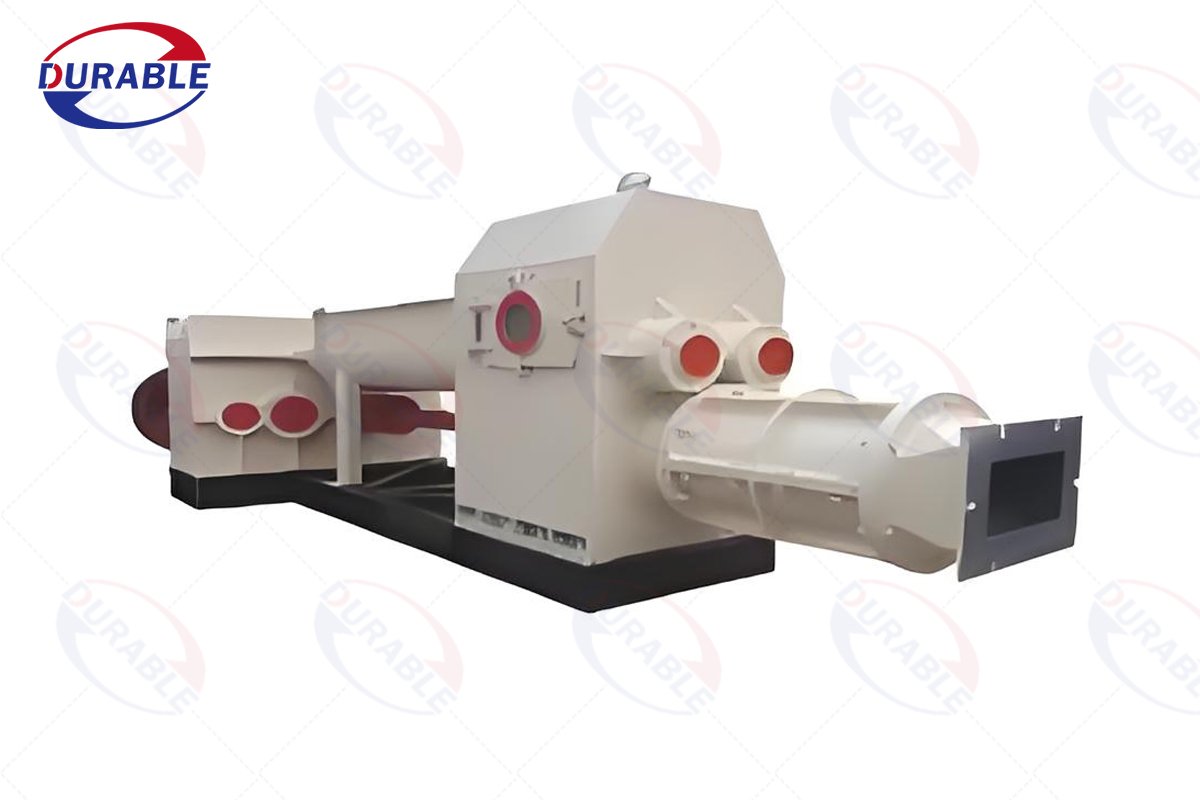
Capacity: 4000-7000 pieces per hour
Power: 55KW/75KW
Introduction:
This small, energy-saving vacuum brick extruder is compact in size and excellent in performance, making it the ideal choice for your efficient soil brick production. It can produce 4000-7000 bricks per hour with a power consumption of only 55KW/75KW. While ensuring output, it significantly reduces energy consumption and saves you production costs.If you are looking for a vacuum brick making machine that occupies a small area and is easy to operate, this small, energy-saving device is the perfect choice for you.
Using advanced vacuum technology, it effectively improves the compactness and strength of the brick blanks, making it a wise choice for improving your efficiency.
Two-Stage Vacuum Extruder Earth Brick Machine
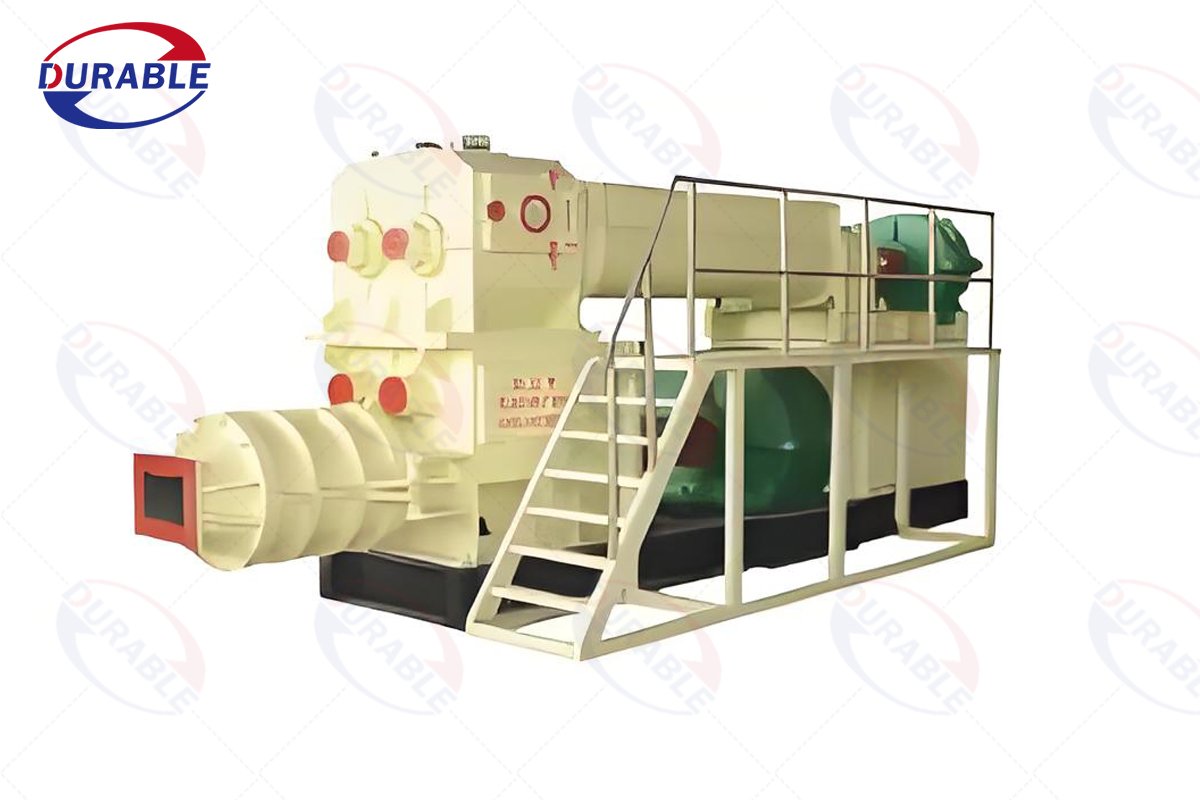
Capacity: 10000-16000 pieces per hour
Power: 155KW/177KW
Raw Material: Clay, soil, earth, water. etc.
Introduction:
Maximize your earth brick production with our high-performance Two-Stage Vacuum Extruder. Engineered for demanding operations, this machine delivers an impressive output of 10,000-16,000 bricks per hour. Utilizing a powerful 155KW/177KW motor and advanced two-stage vacuum technology, it efficiently processes readily available raw materials like clay, soil, earth, and water into durable, high-quality bricks. Invest in a reliable solution for large-scale earth brick manufacturing.Experience the difference of reliable performance and consistent brick quality.
Semi-automatic Compressed Earth Brick Making Machine
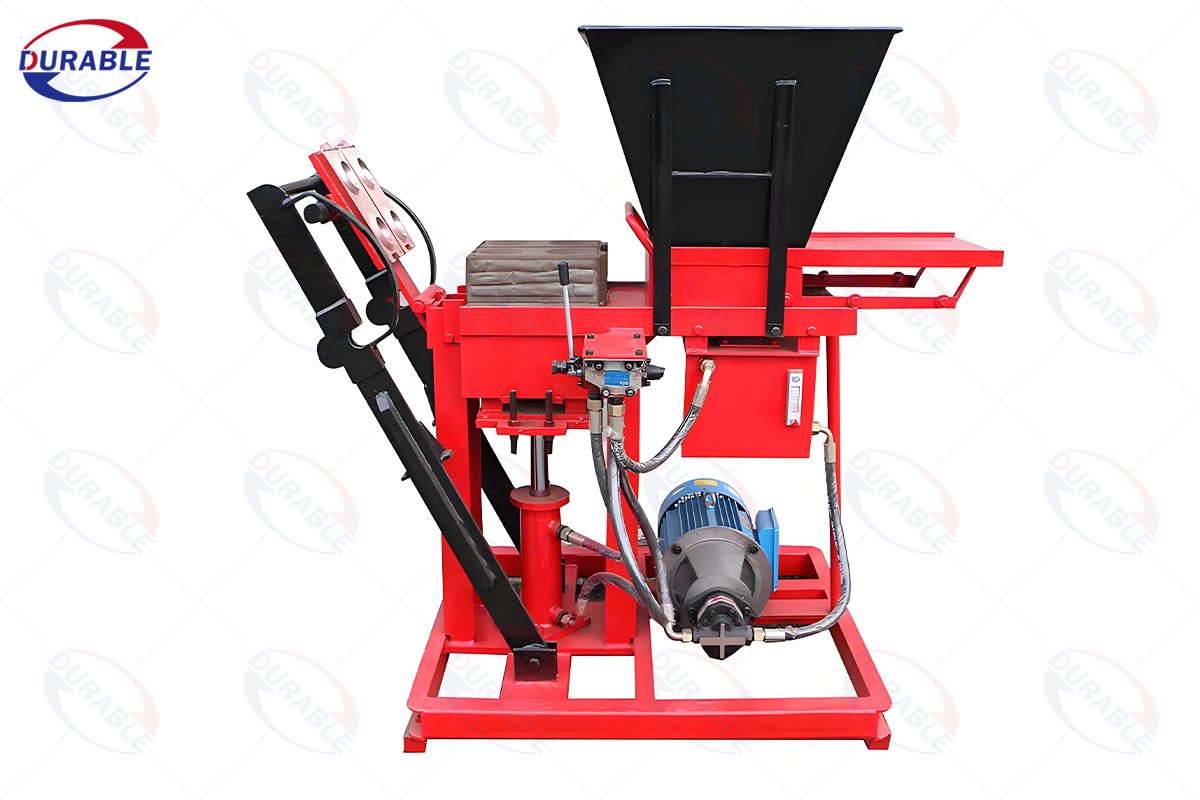
Capacity: 2 pieces per mould; 3840 pieces per 8 hours
Power: 5.5KW
Raw Material: Clay, soil, cement, sand ,water. etc.
Introduction:
The ECO BRB is a significant upgrade to our popular Eco Brava soil brick making machine, doubling your production with each cycle. Instead of one brick per mold, the ECO BRB produces two bricks in just 20 seconds, achieving a production capacity of 3840-5760 pieces per 8-hour shift. Like its predecessor, the ECO BRB eliminates the need for pallets, simplifying your operation. Powered by either a 5.4kW electric motor or a 6HP diesel engine, this semi-automatic machine offers flexibility and efficiency in a compact design.This small soil brick making machine is designed for efficiency and ease of use.
Automatic Soil Brick Making Machine Line
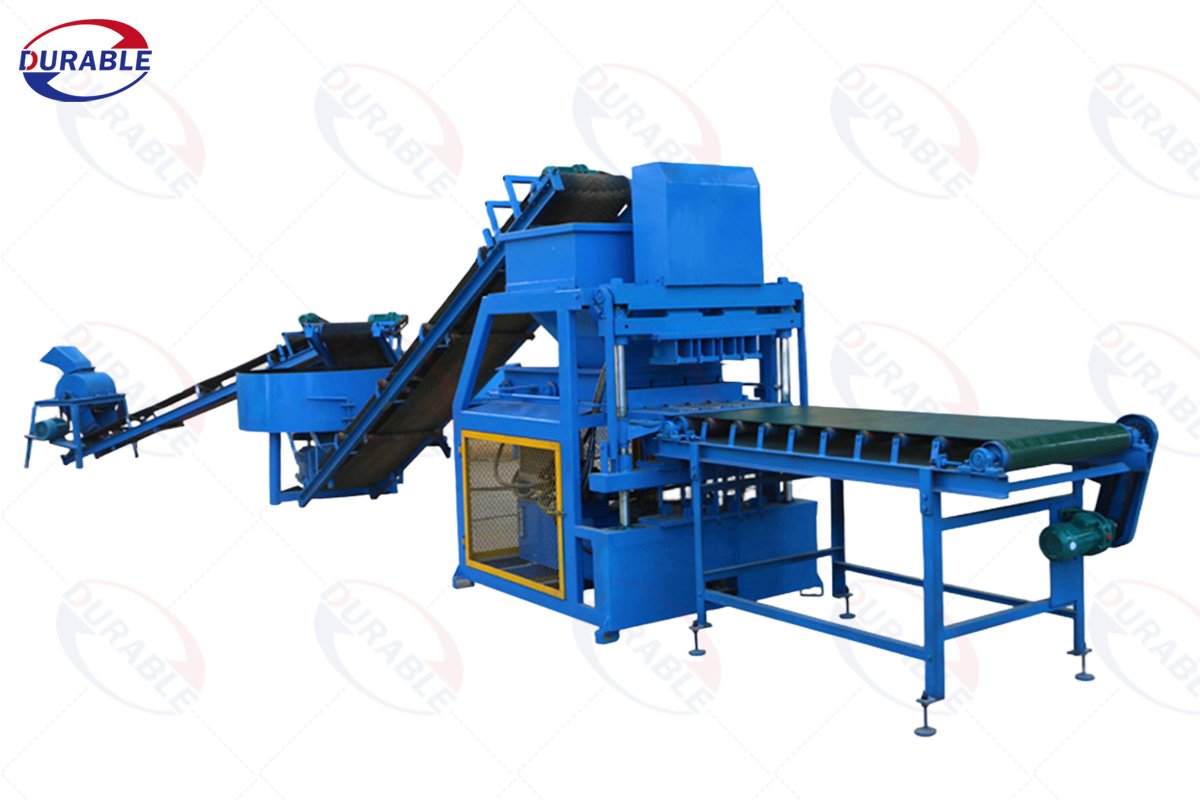
Capacity: 4 pieces per mould; 6000-8000 pieces per 8 hours
Raw Material: Clay, soil, cement, sand ,water. etc.
Introduction:
The LT4-10 is a fully automatic, hydraulic brick making machine designed for high-volume production. This versatile machine isn’t limited to just soil; it can efficiently produce both clay and cement bricks. With a short 8-10 second molding cycle, the LT4-10 produces four blocks per cycle, yielding an impressive 11520-23040 bricks per 8-hour shift. The machine comes complete with an integrated mixer, screen, and belt for a streamlined brick-making process. Powered by a 10kW diesel engine and designed with a compact footprint, the LT4-10 eliminates the need for pallets, reducing operational costs and simplifying handling. The LT4-10 offers a high return on investment through its automation, efficiency, and versatility.
A soil brick making machine is a powerful tool you can use to turn natural earth, clay, and soil into strong building blocks. This equipment is essential for creating eco-friendly and cost-effective construction materials. Specifically, a Vacuum Extrusion Brick Machine, also known as a clay brick extruder, is the core of modern, high-volume brick production. It mixes soil and clay, removes air with a powerful vacuum, and extrudes a dense, continuous column of clay ready to be cut into uniform sintered bricks. This process creates exceptionally strong and durable bricks for any building project you have.
Last Updated: June 2025 | Estimated Reading Time: 15 minutes
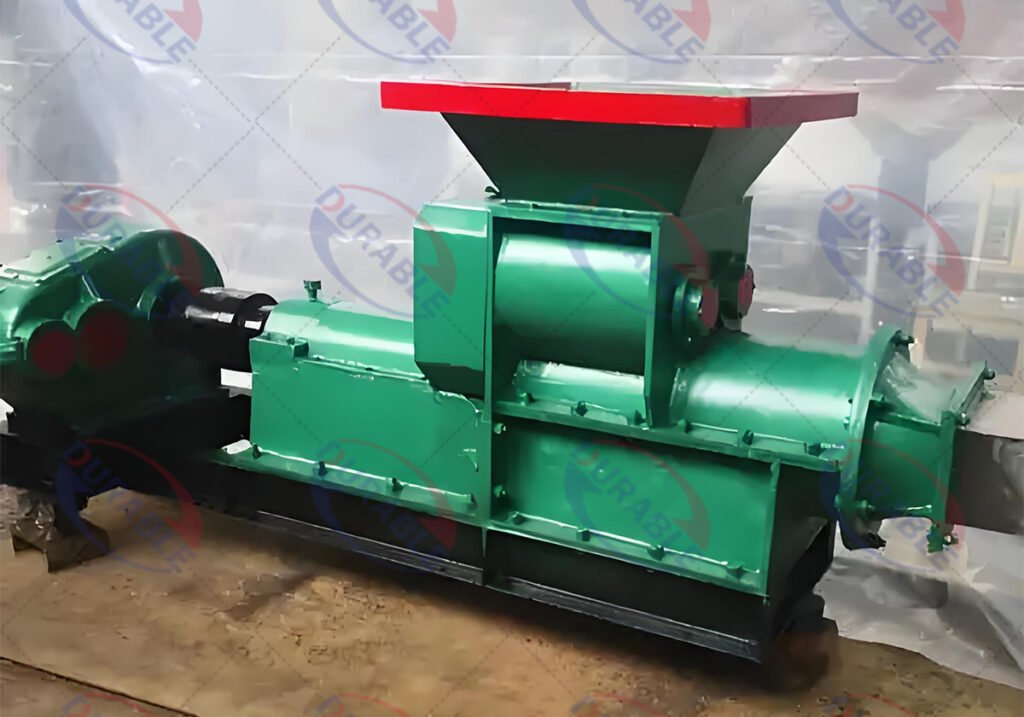
A soil brick making machine is equipment that compresses a mixture of soil and clay into solid blocks. These machines range from simple manual presses to fully automatic systems. The most advanced type for high-quality sintered bricks is the Vacuum Brick Extruder. This machine uses an auger to push prepared clay through a sealed chamber. Inside, a vacuum pump removes trapped air pockets. This de-airing process is critical. It makes the final brick much denser, stronger, and less likely to crack during drying and firing. The result is a high-quality brick with a smooth finish and excellent structural integrity. At DURABLE, we have learned that the quality of internal components, like the pug mill knives, is vital. Worn or poorly designed knives lead to bad mixing and weak vacuum performance. This causes defects. We use high-quality, wear-resistant steel for these parts to ensure your clay is perfectly prepared.
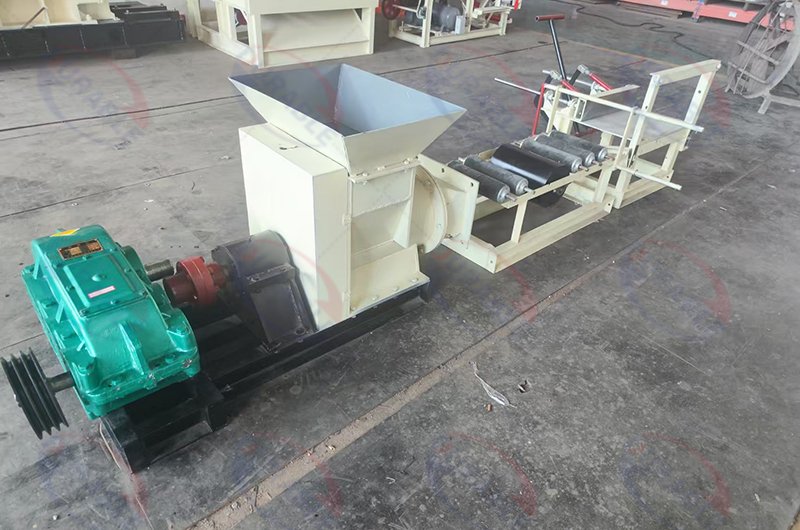
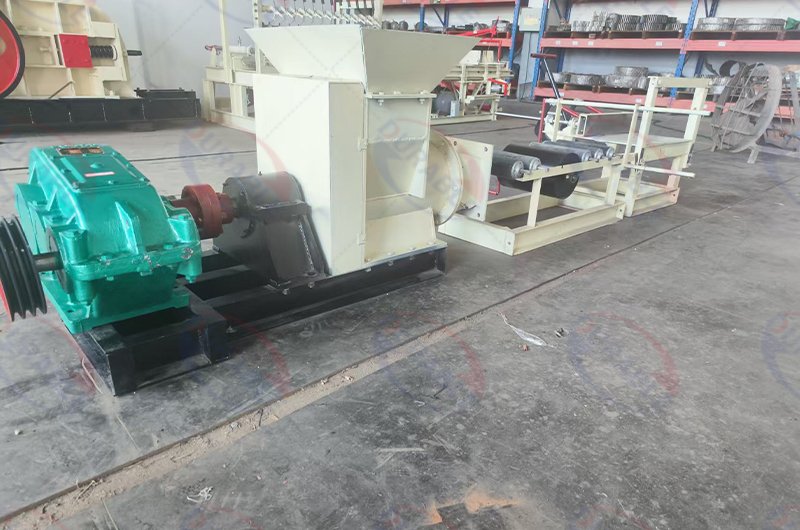
Using soil bricks for your construction projects offers two main advantages: they are sustainable and cost-effective. Building with earth is an ancient practice, and modern technology makes it even better. Soil bricks have a much lower environmental impact than concrete blocks. You often use soil available directly at the construction site. This dramatically reduces transportation costs and the carbon emissions associated with moving heavy materials. It also means you are using a natural, abundant resource instead of energy-intensive manufactured materials. From a financial perspective, the savings are significant. The primary raw material, soil, is often free or very inexpensive.
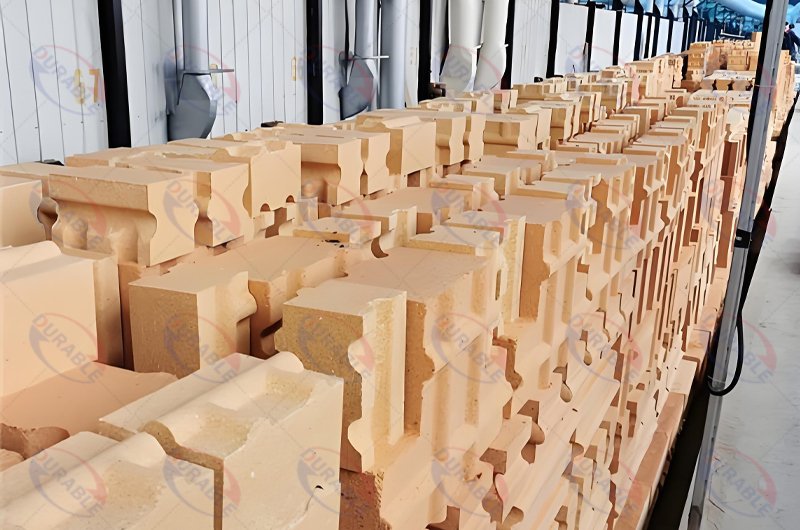
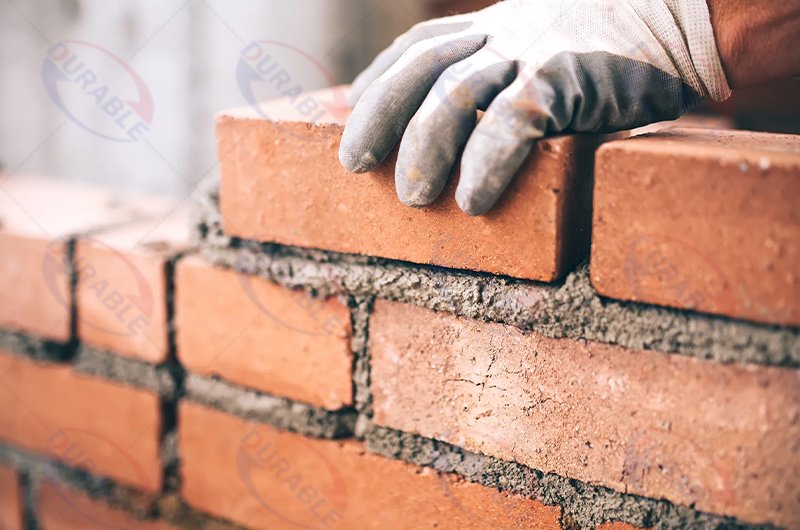
The process inside an automatic Extrusion Brick Machine is precise and efficient. We have refined this process over 30 years to ensure maximum quality for you.
When you invest in a brick making machine, you need it to be durable and efficient. These are the key features you should look for. Durability comes from high-quality materials and construction. Look for machines built with high-wear-resistant steel, especially for parts that contact the clay, like the auger and mixing knives. The machine’s frame should be robust to handle constant vibration. Efficiency means getting the highest output for the lowest cost. This includes energy efficiency. A good machine uses powerful motors that don’t waste electricity. It also means easy operation and maintenance. At DURABLE, we use world-class components like Siemens PLC controls and Schneider electronics to maximize both durability and efficiency, giving you a lower total cost of ownership.
You have several choices when it comes to clay machinery, depending on your project’s scale and budget.
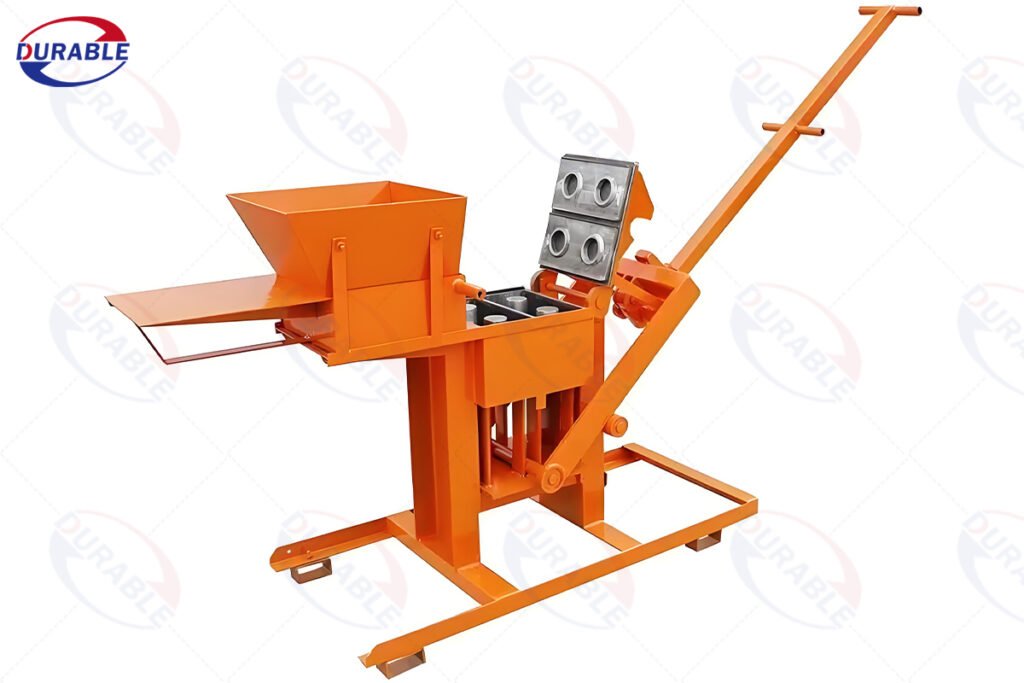
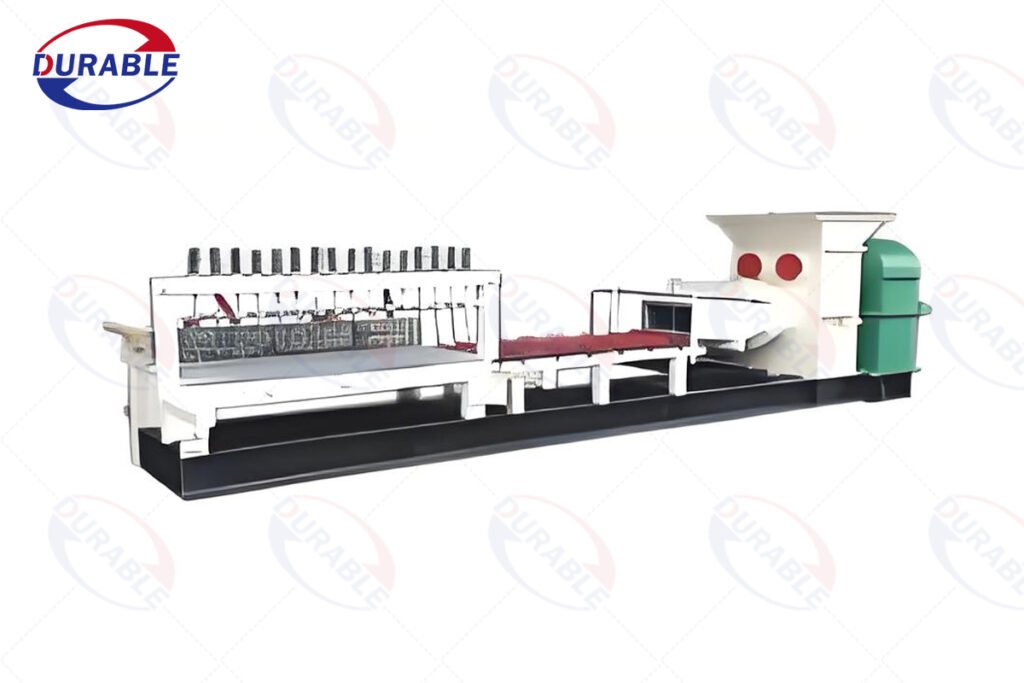
Production capacity is one of the most important factors when choosing a machine. This tells you how many bricks the machine can produce in a set amount of time, usually measured in bricks per hour or per 8-hour shift. The capacity you need depends entirely on your business goals. A small, local operation might only need 10,000 bricks per day. A large commercial plant supplying major construction projects might need 50,000 bricks per day or more. Our DURABLE models come in a wide range of capacities. We can provide a standalone Brick Vacuum Extruder or a complete line designed to meet your exact output targets, ensuring you can scale your business effectively.
DURABLE MACHINE offers both options to suit different production needs.
Making high-quality bricks is a science. It requires good materials, a good machine, and a good process. We help our customers set up their entire workflow for success.
Choosing the right brick manufacturing machine is the most important decision for your business. You must balance performance, cost, and your specific goals. Here are the key factors we advise our clients to consider:
The cost of brick machine can vary greatly. The Final brick making machine price depends on several factors. A small manual press might cost a few thousand dollars. A fully automatic, high-capacity Vacuum Extrusion Brick Machine as part of a complete production line can be a significant investment, potentially hundreds of thousands of dollars. It is crucial to think about the Total Cost of Ownership (TCO). A cheaper machine might use more electricity or require frequent repairs, costing you more in the long run. The auger, for example, is a part that will inevitably wear out. Factoring in the cost and ease of replacement is part of smart long-term planning. As a factory-direct seller, DURABLE offers a more competitive price for high-quality, efficient equipment.
Interlocking soil bricks are an innovative building material that you can produce with our machines. Unlike traditional rectangular bricks, these have specially designed profiles, like tongues and grooves, that lock together. The primary advantages are increased construction speed and enhanced structural strength. Because they lock into place, you use significantly less mortar, which saves both time and material costs. The interlocking design creates stronger, more stable walls that are more resistant to seismic activity and lateral forces. We can design and manufacture custom extrusion dies for your brick machine maker to produce any type of interlocking brick you need for your projects.
Curing and drying is the final and most delicate stage in making high-quality sintered bricks. If done incorrectly, all your previous work can be ruined. After the green bricks are cut, they contain a lot of moisture. They must be dried slowly and uniformly before firing. If they dry too quickly, they will crack. They are typically stacked on carts with space for air to circulate and moved into a drying chamber for 24-48 hours. Once dried, they enter the kiln for firing. The tunnel kiln process is the most efficient method for large-scale production. In a tunnel kiln, carts of bricks move slowly through a long tunnel with different temperature zones, ensuring a perfect, consistent firing from pre-heating to cooling.
Soil bricks, especially high-quality sintered bricks from a Vacuum Clay Extruder, are incredibly versatile. Their applications in construction are extensive. You can use them for:
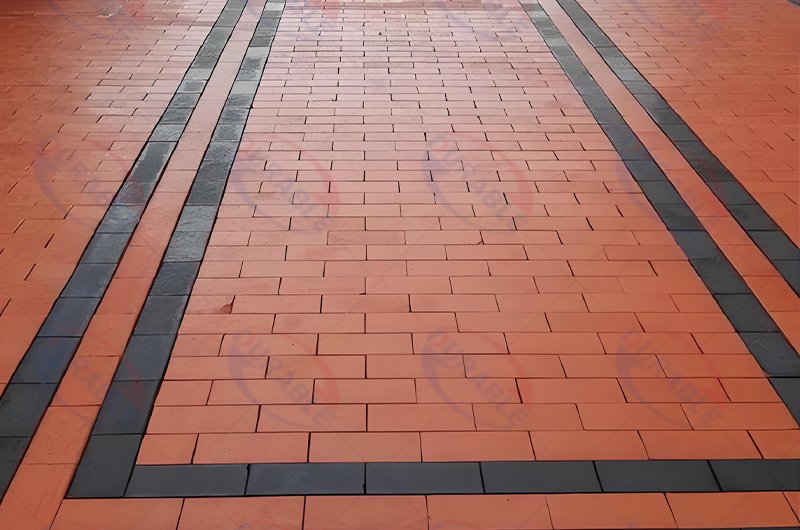
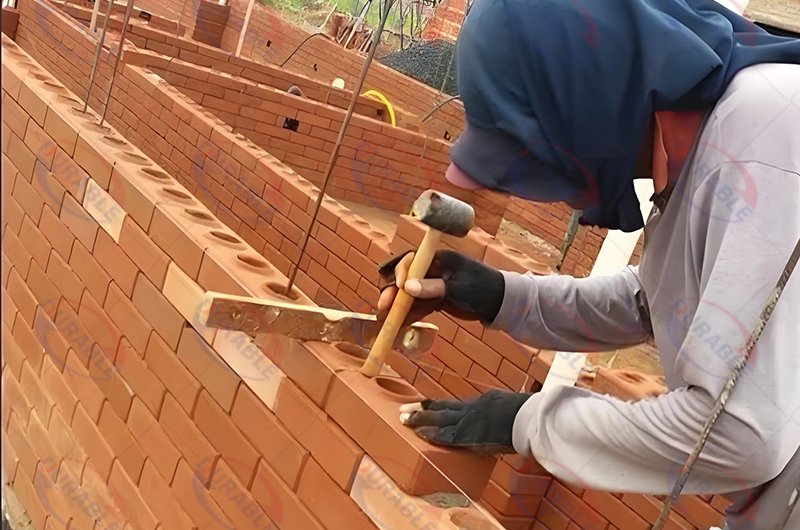
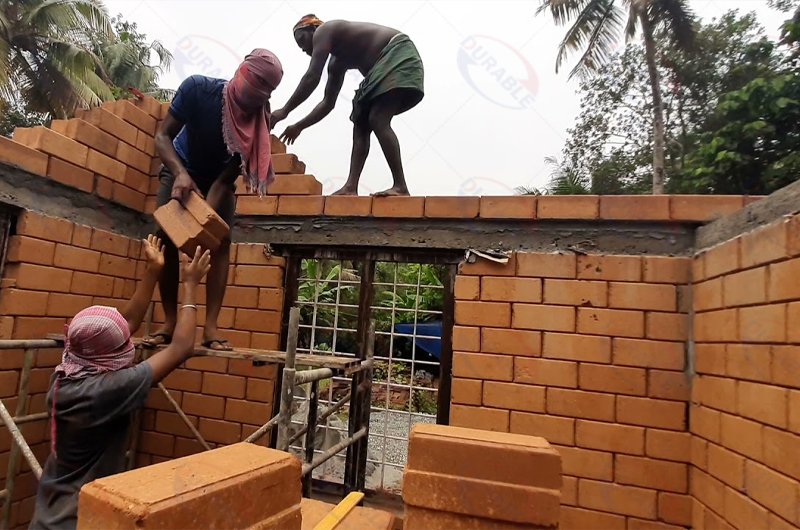
Quality control is essential to building a reputation for excellence. You must test your finished bricks to ensure they meet industry standards. Two of the most common tests are the Compressive Strength Test and the Water Absorption Test. For the compressive strength test, a brick is placed in a special machine that applies pressure until it breaks. This tells you how much load the brick can handle. For the water absorption test, a dry brick is weighed, soaked in water for 24 hours, and then weighed again. This measures its porosity. Low water absorption is desirable as it indicates a dense, durable brick. Our DURABLE machines are engineered to produce bricks that consistently pass these critical quality tests.
Starting a brick making business can be very profitable if you plan carefully. Here is a simplified roadmap to guide you:
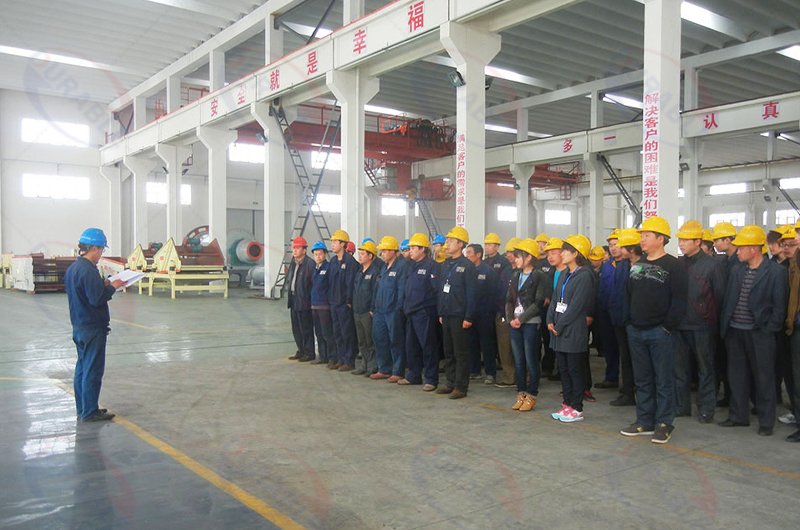
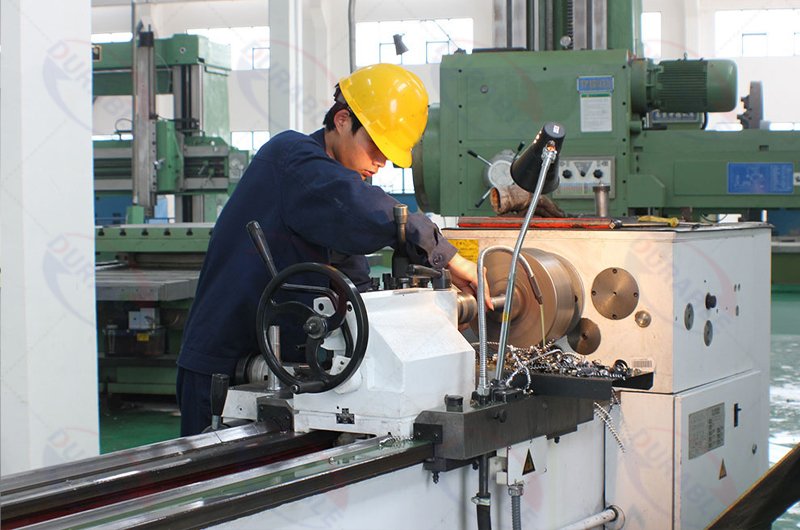
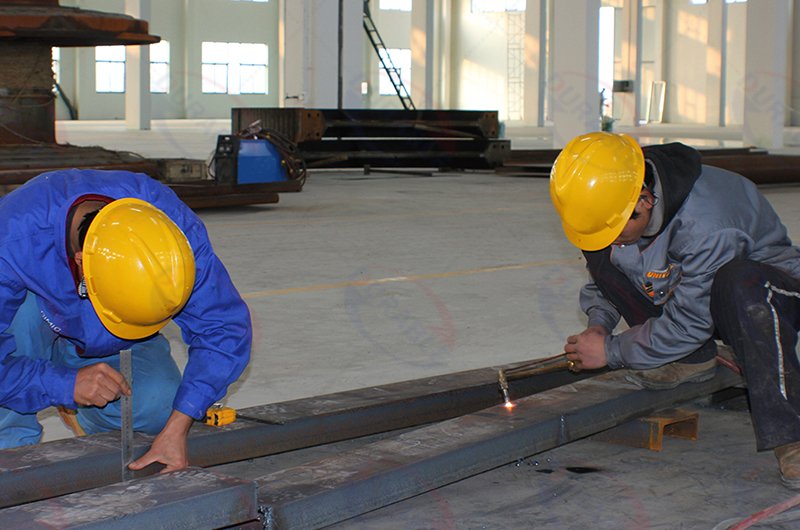
We are DURABLE MACHINE, a specialized manufacturer of brick and block machines from China. With over 30 years of experience since our founding in 1990, we have grown into a leader in the industry. We don’t just sell machines; we provide complete, customized solutions. Our 8,000-square-meter factory is equipped with advanced CNC machines and production technology, allowing us to produce over 500 high-quality machines every year. Our team of 15 professional engineers ensures every brick making equipment we build is efficient, reliable, and tailored to your specific raw materials and production goals. We offer a comprehensive product line that covers every step of the process. Because we are a factory-direct seller, you get a superior machine at a better price. We have successfully exported our brick production lines to over 120 countries, giving us the global experience to help you succeed, no matter where you are.
Choosing the right Soil Brick Making Machine is a critical step for any construction or building materials business. We have seen that using soil bricks is a sustainable and cost-effective choice. The most reliable method for commercial production is a Vacuum Extrusion Brick Machine, which creates strong, dense, and uniform bricks. When selecting a machine, you must consider your production needs, budget, raw materials, and the reliability of the supplier.
We recommend you start by evaluating your project’s scale and long-term goals. Then, find a partner who can provide not just a machine, but a complete solution. This includes material testing, factory layout design, installation, and training. If you are ready to explore how a soil brick making machine can benefit your business, our team at DURABLE is here to help.
Ready to start your brick-making project? Contact us today for expert advice and a no-obligation quote!