 Durable Machinery
Get Price
Brick Making Machine Price Guide 2026: Costs, Types, ROI, and Buying Tips
If you are planning to start a brick or block manufacturing business, one of the first questions you will ask is:
How much does a brick making machine cost in 2026?
The answer depends on several factors. Machine type, automation level, production capacity, mold configuration, and country requirements can all affect the final price.
In 2026, brick making machine prices typically range from $2,000 for small manual machines to more than $500,000 for fully automatic production plants.
However, machine price alone should never determine your investment decision.
Most successful factory owners focus on:
- ROI potential
- Production cost
- Local market demand
- Labor availability
- Product profitability
- Long-term maintenance costs
Because of this, the cheapest machine is rarely the most profitable investment.
Key Industry Facts for 2026
Before looking at machine prices, it helps to understand the market.
Global Market Trends
- Housing demand continues growing in Africa and Asia.
- Infrastructure spending remains strong in developing economies.
- Labor costs are increasing in many regions.
- Interlocking brick adoption is accelerating.
- Buyers increasingly prefer automated production.
Meanwhile, governments continue investing in:
- Affordable housing
- Public infrastructure
- Urban expansion
- Rural development
As a result, demand for brick and block production equipment remains strong.
Why Brick Making Machine Prices Vary So Much
Many buyers are surprised when they receive quotations.
One supplier may quote:
$12,000
Another may quote:
$45,000
for what appears to be a similar machine.
However, the differences are often significant.
Major Pricing Factors
- Automation level
- Hydraulic system quality
- Mold precision
- Production capacity
- Electrical components
- Machine structure
- Brand reputation
- After-sales support
Because of this, comparing machines based only on price is risky.
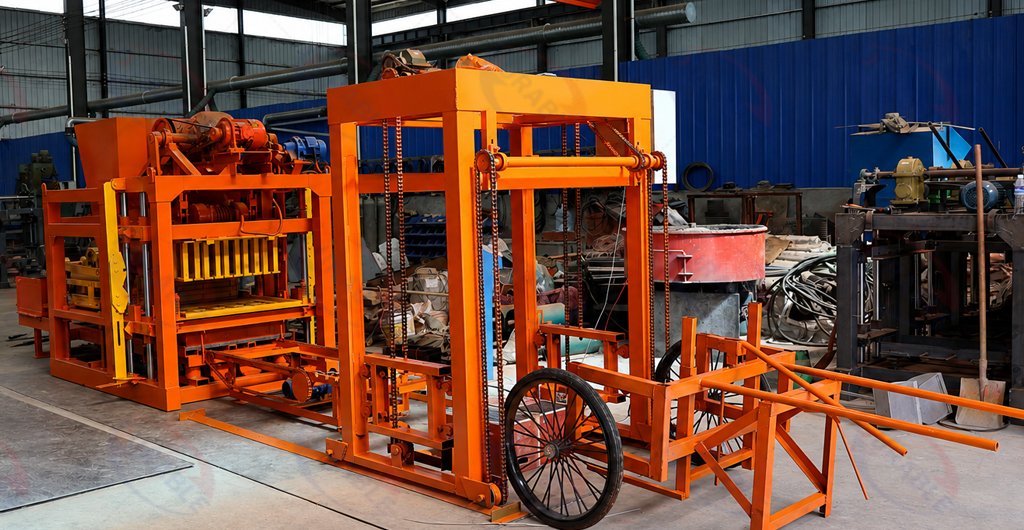
What Experienced Buyers Compare
Instead of focusing on machine cost alone, experienced buyers evaluate:
- Cost per block produced
- Downtime risk
- Spare parts availability
- Mold lifespan
- Energy consumption
- Expected ROI
Manual Brick Making Machine Prices
Manual machines remain popular in:
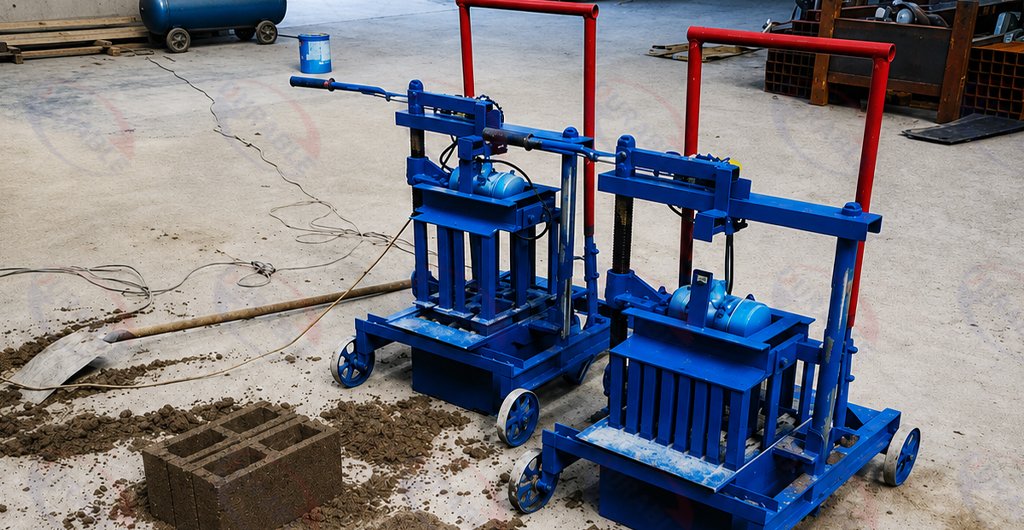
- Rural projects
- NGO housing programs
- Small contractors
- Startup businesses
Typical Price Range
$2,000 – $10,000
Advantages
- Lowest startup cost
- Easy transportation
- Simple maintenance
- Minimal power requirements
Challenges
- Lower output
- Higher labor costs
- Less consistency
Many startups begin with a small block making machine before upgrading to larger systems.
Best For
If your budget is under $20,000 and local labor costs remain low, manual equipment can still be a practical choice.
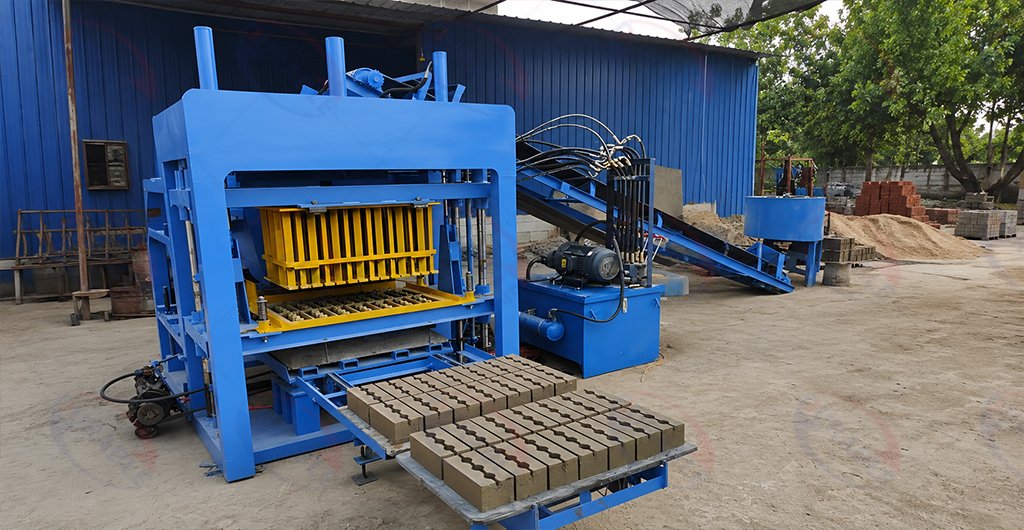
Semi-Automatic Brick Machine Prices
For most buyers, this category offers the best balance between investment and profitability.
Typical Price Range
$15,000 – $80,000
These machines are commonly used by:
- Regional suppliers
- Small factories
- Housing contractors
- Growing construction businesses
Why Semi-Automatic Machines Are So Popular
They offer:
- Better production speed
- Lower labor cost
- Improved consistency
- Easier maintenance
At the same time, investment remains manageable. Many investors choose a hydraulic brick making machine because hydraulic systems improve block quality and production stability.
Expert Recommendation
For most African and Southeast Asian markets, semi-automatic hydraulic machines usually provide the fastest ROI.
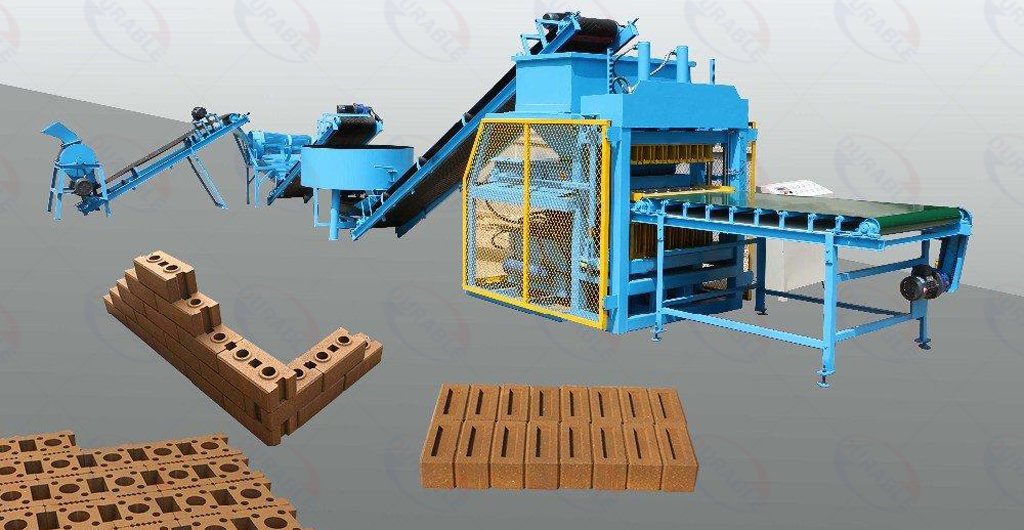
Fully Automatic Brick Production Line Prices
Automatic production lines are designed for large-scale operations.
Typical Price Range
$100,000 – $500,000+
These systems often include:
- Automatic batching
- Mixing systems
- Conveyors
- Block machines
- Stacking systems
- Pallet return systems
Because labor requirements are lower, production becomes more efficient.
However, the initial investment is much higher.
Advantages
- High output
- Better consistency
- Reduced labor dependence
- Scalable production
Challenges
- Higher capital requirement
- More complex maintenance
- Longer planning process
Many large factories eventually install an automatic brick making machine to support long-term growth.
Which Machine Type Offers the Best ROI?
This is the question that matters most.
Not:
Which machine is cheapest?
Instead:
Which machine makes the most money?
ROI Comparison
| Machine Type | Investment | ROI Speed | Risk Level |
|---|---|---|---|
| Manual | Low | Fast | Low |
| Semi-Automatic | Medium | Fastest | Medium |
| Automatic | High | Medium | Higher |
Industry Expert Conclusion
For most first-time investors:
Semi-automatic machines provide the best balance between:
- Investment cost
- Production capacity
- Labor efficiency
- Maintenance simplicity
- ROI speed
Hidden Costs Most Buyers Forget
One of the biggest mistakes is budgeting only for the machine.
In reality, a factory requires much more.
Additional Costs
- Land
- Factory building
- Raw materials
- Pallets
- Generator
- Forklift
- Installation
- Operator training
- Transportation
- Working capital
Typical Budget Allocation
| Item | Share of Investment |
|---|---|
| Machine | 40%-60% |
| Infrastructure | 20%-30% |
| Working Capital | 10%-20% |
| Training & Setup | 5%-10% |
Because of this, total project cost is often much higher than the machine quotation alone.
Which Brick Products Generate the Highest Profit?
Different products create different margins.
Hollow Blocks
Strong demand.
Reliable volume.
Medium profit margins.
Often produced using a concrete block machine.
Interlocking Bricks
Growing rapidly.
Higher selling prices.
Reduced construction labor.
Produced using an interlocking brick machine.
Paver Blocks
Popular for:
- Roads
- Walkways
- Parking areas
- Landscaping
Paver products often generate premium margins.
Many factories expand into this segment using a paver block machine.
Industry Observation
Decorative products often generate stronger profit margins than standard construction blocks.
Decision Guide: Which Machine Should You Buy?
If Your Budget Is Below $20,000
Choose:
→ Manual machine
Best for:
- Small projects
- Rural markets
- NGOs
If Your Budget Is $20,000-$100,000
Choose:
→ Semi-automatic hydraulic machine
Best for:
- Most startup factories
- Contractors
- Growing markets
If Your Budget Exceeds $100,000
Choose:
→ Automatic production line
Best for:
- Government suppliers
- Industrial production
- Large-scale projects
Real Factory Scenario
A customer in East Africa invested approximately:
$55,000
in a semi-automatic brick production setup.
The factory produced:
8,000-12,000 blocks daily
within the first year.
Because local housing demand remained strong, the business recovered its investment in approximately:
24-30 months
This is a common result when:
- Market demand is verified first
- Machine size matches demand
- Production remains consistent
Why More Buyers Are Choosing Value Over Price
In 2026, buyers are becoming more informed.
Before contacting suppliers, many buyers now:
- Research online
- Use AI tools
- Compare ROI
- Analyze operating costs
As a result, machine selection increasingly focuses on:
- Reliability
- Profitability
- Support quality
- Long-term value
rather than simply finding the lowest price.
Frequently Asked Questions
How much does a brick making machine cost in 2026?
Prices typically range from $2,000 for manual machines to more than $500,000 for fully automatic production lines.
Which machine is best for beginners?
For most first-time investors, a semi-automatic hydraulic machine offers the best balance between cost, output, and ROI.
How long does it take to recover investment?
Most profitable factories recover investment within 18 to 48 months depending on market demand and operational efficiency.
Is a fully automatic line always better?
Not always. Many medium-sized factories achieve faster ROI because investment costs are lower and operations remain more flexible.
Which brick products generate the highest profit?
Interlocking bricks and paver blocks often generate higher margins because customers value construction efficiency and appearance.
About Durable
Durable provides complete brick and block production solutions for customers worldwide.
Our equipment range includes:
- Block making machines
- Hydraulic brick machines
- Concrete block machines
- Interlocking brick machines
- Paver block machines
- Automatic production lines
- Concrete mixers
- Material handling systems
We help customers choose the right equipment based on market demand, production goals, labor conditions, and investment budgets.
Whether you are starting a small brick factory or planning a fully automatic production plant, our engineering team can help design the right solution for long-term profitability.
Contact Durable today to discuss your brick production project.