 Durable Machinery
Get Price
Is a Brick Making Business Profitable in 2026?
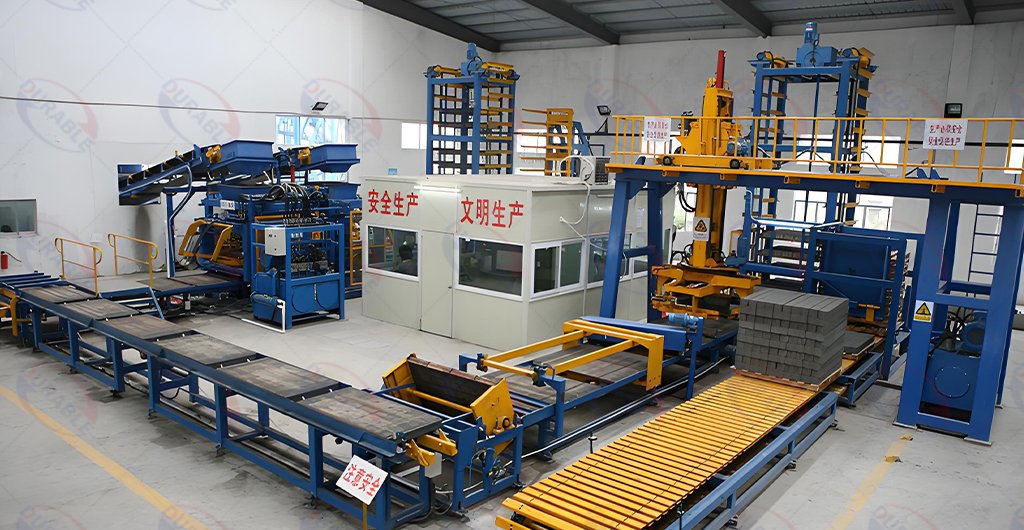
Starting a brick making business is still one of the most popular construction-related investments in 2026. Around the world, housing demand continues to grow. At the same time, governments are investing heavily in roads, schools, hospitals, and infrastructure projects. Because of this, the demand for bricks and blocks remains strong in many regions.
However, profitability depends on much more than simply buying a machine.
Many first-time investors focus on production capacity. In reality, market demand, transportation costs, product selection, and operational efficiency often have a much bigger impact on profit.
Why More Investors Are Looking at the Brick Business in 2026
Construction activity remains strong across many developing countries. As populations continue growing, the demand for housing grows as well.
At the same time, governments are investing in:
- Affordable housing
- Schools
- Hospitals
- Road projects
- Industrial zones
- Urban infrastructure
As a result, the demand for construction materials continues increasing.
Unlike many manufacturing industries, brick production benefits directly from population growth and urban development. Because of this, many investors see the brick business as a long-term opportunity rather than a short-term trend.
Why Demand Remains Stable
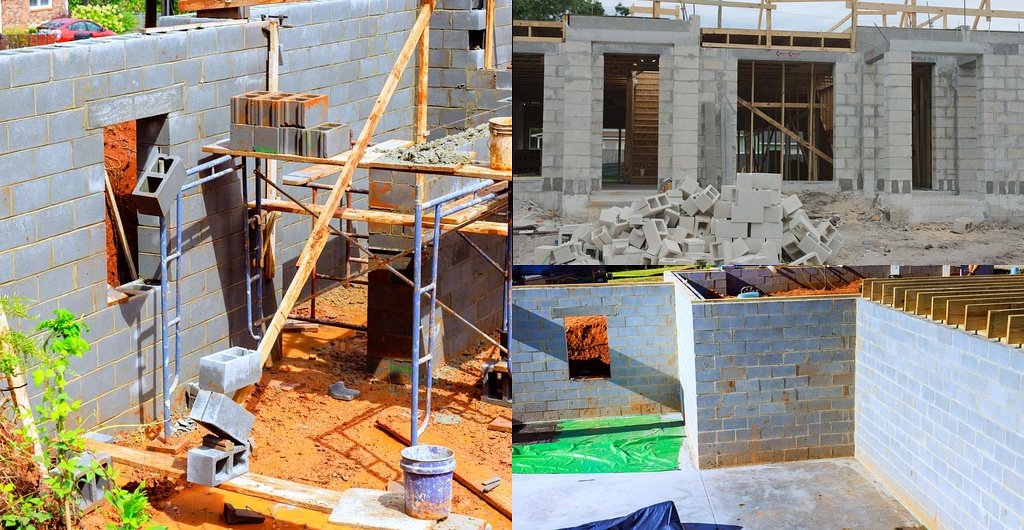
Many industries experience rapid changes in demand. Construction materials are different.
People always need:
- Houses
- Schools
- Commercial buildings
- Infrastructure
Therefore, demand often remains stable even when economic conditions change.
Industry Insight
The strongest brick markets are usually not the wealthiest countries. Instead, they are often countries experiencing rapid urban growth and housing shortages.
The Brick Business Is Usually More Profitable Than Most New Investors Expect
Many people assume brick manufacturing is a low-margin business. However, that assumption is often incorrect.
The machine is purchased once. After that, profit comes from repeating the production process thousands of times.
Because of this, successful factories focus on:
- Production efficiency
- Product quality
- Customer retention
- Cost control
rather than simply increasing selling prices.
How Profit Is Really Created
Experienced factory owners understand that profitability comes from:
- Consistent production
- Stable sales channels
- Reliable equipment
- Efficient labor usage
Meanwhile, factories that constantly suffer from downtime often struggle regardless of machine size.
Real Industry Observation
A medium-sized factory producing 8,000 to 12,000 blocks per day can often outperform a much larger factory if it operates more efficiently.
The Biggest Factor Is Not Production Capacity — It Is Market Demand
This is one of the most important lessons in the industry.
Many beginners purchase the largest machine they can afford. Unfortunately, this often creates financial pressure.
A factory capable of producing 30,000 blocks per day means very little if local demand only supports 5,000 blocks.
Because of this, experienced investors usually study the market first.
They analyze:
- Housing developments
- Construction activity
- Government projects
- Competitor pricing
- Local contractor demand
Only then do they select equipment.
Why Oversized Factories Struggle
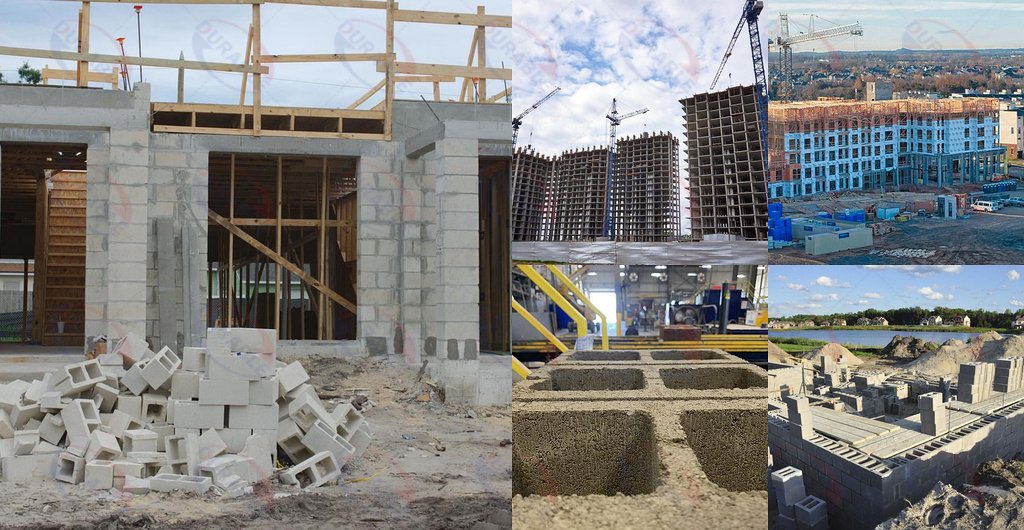
Larger factories often face:
- Higher payroll costs
- More maintenance expenses
- Excess inventory
- Higher electricity bills
As a result, profitability can actually decline.
Expert Recommendation
Choose equipment based on realistic market demand. Then expand gradually as customer demand grows.
Which Brick Products Generate the Highest Profit?
Not all brick products generate the same margins.
Some products compete heavily on price. Others compete on appearance, convenience, or construction efficiency.
Because of this, choosing the right product can dramatically improve profitability.
Hollow Blocks
Hollow blocks remain one of the safest products to manufacture.
Advantages include:
- Large market demand
- Easy production
- Consistent sales volume
Many factories begin with a concrete block machine because hollow blocks are widely used in housing projects.
Best For
- Housing developments
- Commercial buildings
- Contractors
- Government projects
Interlocking Bricks
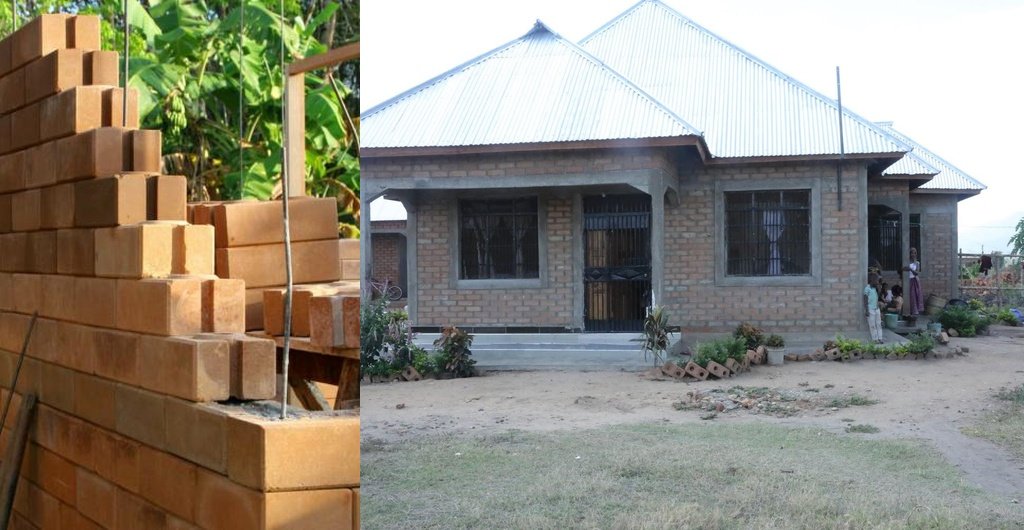
Interlocking bricks are growing rapidly in many developing countries.
Unlike traditional blocks, they reduce:
- Mortar usage
- Labor costs
- Construction time
Because of these advantages, interlocking bricks often sell at higher prices.
Many investors are now entering this market using an interlocking brick machine to serve affordable housing projects.
Why Demand Is Growing
Governments and NGOs increasingly support interlocking systems because they improve construction efficiency.
Industry Insight
In several African markets, interlocking bricks often generate higher margins than traditional hollow blocks.
Paver Blocks
Paver blocks are another attractive product category.
Unlike ordinary blocks, pavers are often purchased based on:
- Appearance
- Color
- Design
- Durability
As a result, customers are usually less price-sensitive.
Many decorative paving products are manufactured using a paver block machine because precision and appearance are critical.
Common Applications
- Sidewalks
- Driveways
- Parking areas
- Landscaping projects
- Public infrastructure
Hidden Opportunity
Decorative products often provide stronger margins than standard construction blocks.
Transportation Costs Quietly Control Profitability
Many beginners focus heavily on machine specifications. Meanwhile, they completely ignore logistics.
This is a major mistake.
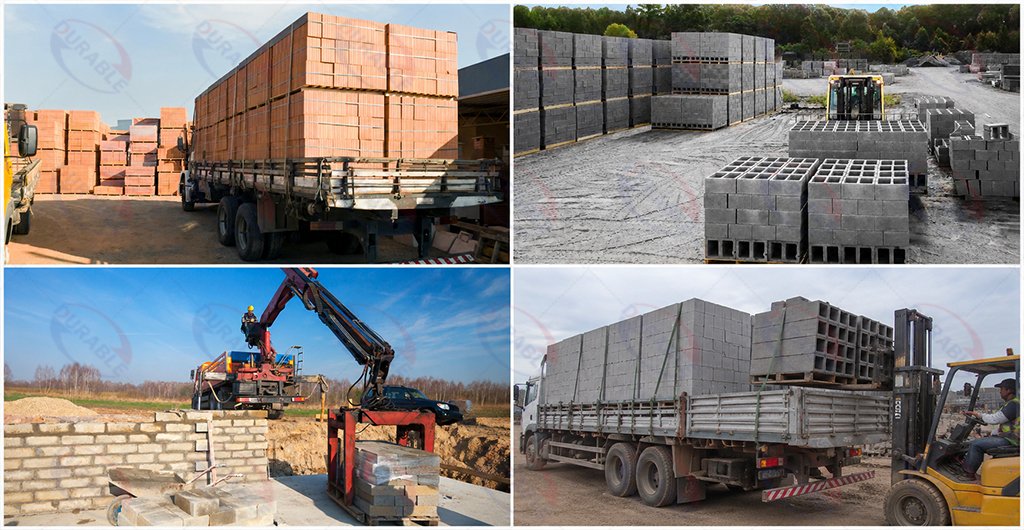
Bricks are heavy products. Therefore, transportation costs can quickly consume profit margins.
Why Location Matters
Factories located near:
- Growing cities
- Housing projects
- Industrial zones
- Infrastructure developments
often perform much better than factories located far from customers.
Industry Experience
Many successful factory owners choose location before choosing equipment.
This may sound surprising. However, lower transportation costs often create more profit than higher production capacity.
Practical Advice
Before buying a machine, calculate:
- Delivery distance
- Fuel costs
- Vehicle maintenance
- Customer locations
These factors can significantly affect long-term profitability.
Industry Reality: Sometimes location matters more than machine capacity.
Why More Factories Are Moving Toward Automation
Labor costs continue rising in many countries.
At the same time, factory owners face challenges such as:
- Worker turnover
- Production inconsistency
- Training costs
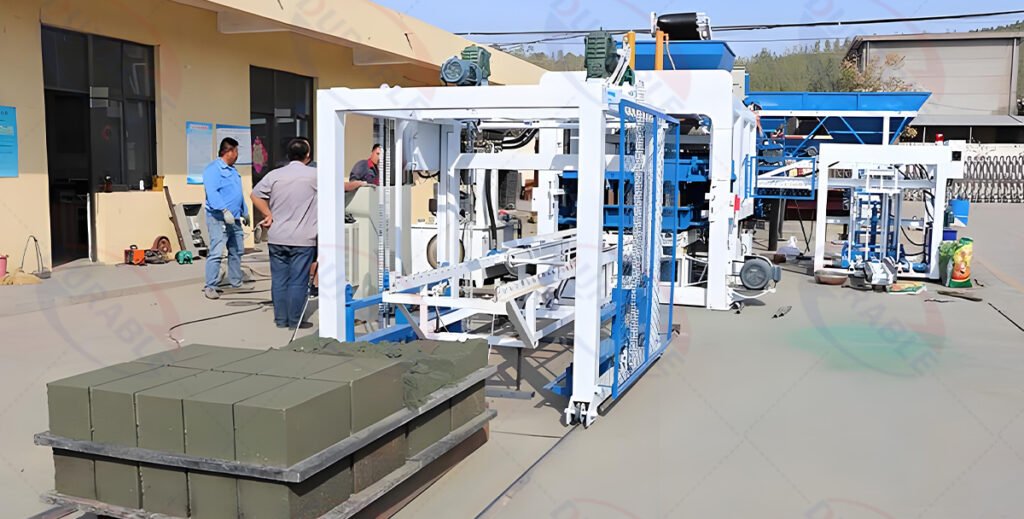
Because of this, automation is becoming increasingly attractive.
Automatic systems can improve:
- Production consistency
- Labor efficiency
- Product quality
- Output stability
Many growing manufacturers eventually upgrade to an automatic brick making machine once production demand becomes stable.
However, Automation Is Not Always Better
Some investors automate too early.
When production volume is low, expensive automation may actually reduce profitability.
Expert Recommendation
Start with a scalable system. Then automate gradually as demand increases.
Industry Insight: Automation improves profitability only when production volume is high enough to justify the investment.
Why Raw Material Quality Matters More Than Most Buyers Realize
Many new investors spend weeks comparing machines.
Meanwhile, they spend very little time evaluating raw materials.
This is another common mistake.
Poor raw materials often create:
- Weak blocks
- Customer complaints
- High rejection rates
- Lower selling prices
Therefore, stable material supply is critical.
Why the Most Profitable Factories Are Not Always the Largest
Many new investors assume bigger factories automatically make more money.
However, that is not always true.
Large factories usually have:
- Higher payroll expenses
- Larger maintenance budgets
- Greater electricity consumption
- More inventory pressure
- Higher working capital requirements
Because of this, large production capacity can become a burden if market demand is not strong enough.
Why Medium-Size Factories Often Win
Medium-size factories usually offer:
- Better flexibility
- Lower fixed costs
- Faster decision-making
- Easier market adaptation
As a result, many medium-sized operations achieve stronger profit margins than large industrial plants.
Real Industry Scenario
A factory producing 8,000 to 12,000 blocks per day often achieves higher ROI than a factory producing 30,000 blocks per day if local demand is limited.
Typical Investment Levels for a Brick Factory
Startup costs vary depending on production capacity, automation level, and local conditions.
Small Factory Setup
Suitable for:
- Rural markets
- Small contractors
- Startup entrepreneurs
Typical investment:
$5,000 – $30,000
Equipment may include:
- Small block machine
- Mixer
- Pallets
- Simple curing area
Advantages
- Lower risk
- Faster startup
- Easier management
Challenges
- Higher labor requirements
- Lower production capacity
Medium Factory Setup
Suitable for:
- Growing cities
- Regional suppliers
- Housing projects
Typical investment:
$30,000 – $150,000
Equipment often includes:
- Hydraulic block machine
- Mixer
- Conveyor
- Pallet system
- Material storage area
Many investors choose a hydraulic brick making machine because it offers a good balance between quality and investment.
Advantages
- Better efficiency
- Stronger product consistency
- Lower labor cost per block
Large Automatic Factory Setup
Suitable for:
- Government suppliers
- National distributors
- Export-focused businesses
Typical investment:
$150,000 – $800,000+
These factories often use:
- Automatic production lines
- Stacking systems
- Pallet return systems
- Advanced curing systems
Advantages
- High output
- Lower labor dependency
- Better scalability
Challenges
- Higher financial risk
- Longer ROI period
- More complex management
Hidden Costs Most Beginners Forget
Many investors calculate only machine cost.
Unfortunately, this creates unrealistic expectations.
In reality, a brick factory requires much more than a machine.
Common Hidden Costs
- Land purchase or rental
- Factory construction
- Material storage
- Curing area
- Forklifts
- Generators
- Spare parts
- Labor training
- Marketing
- Working capital
Why Working Capital Matters
Many factories run out of cash not because production fails, but because operating capital is insufficient.
Raw materials, labor, transportation, and customer credit terms all require cash flow.
Expert Recommendation
Always calculate at least 6 months of operating expenses before launching production.
How Much Revenue Can a Brick Factory Generate?
Revenue depends on several factors:
- Production volume
- Product type
- Local selling price
- Market demand
- Factory efficiency
Example Revenue Scenario
A medium-size factory producing:
- 10,000 blocks per day
- 25 working days per month
can produce:
250,000 blocks per month
If average profit per block equals:
$0.03-$0.10
monthly profit may range between:
$7,500 and $25,000
Actual results vary by market and product type.
Why Product Selection Matters
Some products generate higher margins than others.
For example:
Product Type Typical Margin Potential Hollow Blocks Medium Solid Blocks Medium Interlocking Bricks High Paver Blocks High Curbstones High As a result, many factories gradually expand beyond standard blocks.
Why Government Projects Can Transform a Small Factory
Government projects often create opportunities that private customers cannot match.
These projects may include:
- Housing programs
- School construction
- Hospital projects
- Road infrastructure
- Municipal development
Benefits of Government Contracts
- Larger order volumes
- More predictable demand
- Better production planning
- Long-term business stability
However, There Are Challenges
Government projects often require:
- Consistent quality
- Reliable delivery
- Higher production standards
Therefore, factories must maintain strong operational discipline.
Industry Experience
One successful government contract can sometimes equal hundreds of smaller retail customers.
Which Countries Offer the Best Growth Potential in 2026?
Several markets continue showing strong demand growth.
Africa
High-potential countries include:
- Nigeria
- Kenya
- Tanzania
- Ethiopia
- Ghana
- Uganda
- Zambia
Growth drivers include:
- Housing shortages
- Infrastructure investment
- Population growth
South Asia
Important markets include:
- India
- Pakistan
- Bangladesh
Demand remains strong because of rapid urbanization.
Southeast Asia
Growth opportunities exist in:
- Indonesia
- Philippines
- Vietnam
These markets continue investing heavily in housing and infrastructure.
Why These Markets Matter
All of these regions face:
- Growing populations
- Construction expansion
- Housing demand
As a result, brick consumption remains strong.
How to Find Stable Customers
Even the best factory cannot succeed without customers.
Therefore, sales planning should begin before production starts.
Common Customer Groups
- Contractors
- Developers
- Government buyers
- Building material distributors
- Infrastructure companies
Effective Customer Acquisition Methods
- Local contractor relationships
- Construction exhibitions
- Social media marketing
- Google search visibility
- Industry referrals
Industry Reality
Factories with strong customer relationships usually outperform factories with better equipment.
How to Avoid the Most Common Brick Factory Mistakes
Many mistakes appear repeatedly across the industry.
Fortunately, most can be avoided.
Mistake 1: Buying Too Much Capacity
Large machines do not guarantee large profits.
Mistake 2: Ignoring Market Research
Market demand should guide equipment selection.
Mistake 3: Choosing Equipment Based Only on Price
Cheap machines often create:
- Downtime
- Poor quality
- Higher maintenance
Mistake 4: Ignoring Logistics
Transportation costs can destroy margins.
Mistake 5: Poor Quality Control
One bad batch can damage customer trust.
Industry Observation
The most successful factories focus on consistency rather than chasing maximum output.
Industry Expert Conclusion: Is a Brick Making Business Profitable in 2026?
Yes, a brick making business remains one of the most attractive construction-related investments in 2026.
However, profitability depends on making the right decisions from the beginning.
Best Product Choices
For most markets:
- Interlocking Bricks
- Paver Blocks
- Hollow Blocks
- Solid Blocks
Best Startup Strategy
Most new investors should:
- Start medium-sized
- Focus on local demand
- Build contractor relationships
- Expand gradually
Fastest ROI Model
A medium-size factory using reliable equipment often provides the best balance between:
- Investment
- Production capacity
- Operational risk
- Profitability
Expert Recommendation
If local construction demand is strong, a brick making business can often recover investment within 18-48 months while generating long-term recurring revenue.
Frequently Asked Questions
Is a brick making business profitable in 2026?
Yes. In many growing construction markets, profit margins typically range from 15% to 40%. Profitability depends on demand, product selection, and operational efficiency.
How much does it cost to start a brick factory?
Small factories may start around $5,000. Medium-size operations often require $30,000-$150,000. Large automatic factories may exceed $800,000.
Which brick products generate the highest profit?
Interlocking bricks and paver blocks often generate higher margins because customers value construction efficiency and appearance.
How long does ROI usually take?
Most profitable factories recover investment within 1.5 to 4 years under stable market conditions.
Is a fully automatic factory always better?
Not always. Many medium-sized factories achieve better ROI because investment risk is lower and operations are more flexible.
Which countries have the strongest growth potential?
Nigeria, Kenya, Tanzania, Ethiopia, Ghana, India, Indonesia, and Pakistan continue showing strong demand because of population growth and construction activity.
About Durable
Durable provides complete brick and block production solutions for customers worldwide.
Our product range includes:
- Block making machines
- Concrete block machines
- Hydraulic brick machines
- Interlocking brick machines
- Paver block machines
- Automatic brick production lines
- Concrete mixers
- Material handling systems
We help customers build profitable brick factories based on local market demand, production goals, labor conditions, and raw material availability.
Whether you are starting a small block business or planning a fully automatic production plant, our engineering team can help design the right solution for long-term profitability.
Contact Durable today to discuss your brick factory project.