 Durable Machinery
Get Price
How to Start a Compressed Earth Block Business With Low Investment
A compressed earth block (CEB) business is one of the lowest-cost ways to enter the construction materials industry. Unlike concrete block production, earth block manufacturing can use locally available soil as the primary raw material. As a result, startup costs are often much lower.
In many African countries, Southeast Asian markets, and rural development projects, compressed earth blocks are becoming increasingly popular. They help reduce building costs, lower transportation expenses, and support sustainable construction.
Quick Answer: For most startup investors, a semi-automatic compressed earth block production setup costing between $10,000 and $50,000 usually offers the best balance between investment, production capacity, and ROI. Under stable market conditions, investment recovery often takes 1.5 to 3 years.
However, success depends on much more than buying a machine. Soil quality, market demand, factory planning, and customer relationships are often more important than machine size.
What Is a Compressed Earth Block Business?
A compressed earth block business produces construction blocks by compressing soil under high pressure. Depending on the project, small amounts of cement or lime may be added to improve strength and durability.
Unlike fired clay bricks, compressed earth blocks do not require kilns or large amounts of fuel. Because of this, production costs can be significantly lower.
Today, earth blocks are used for:
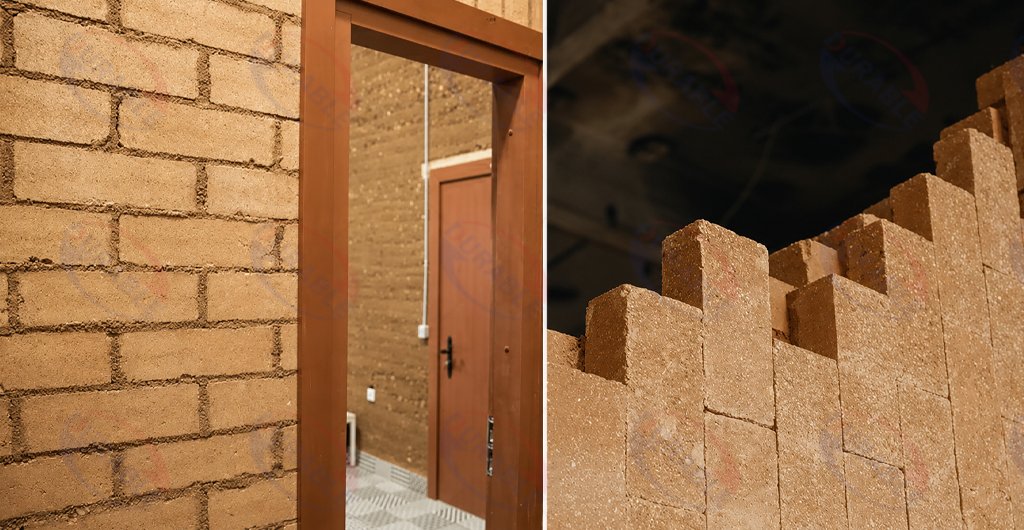
- Affordable housing
- Rural housing projects
- NGO construction programs
- Schools
- Community buildings
- Sustainable construction projects
Many producers start with a small-scale setup and later expand using a larger block making machine as demand increases.
Why More Investors Are Entering the Earth Block Industry
The construction industry continues to search for lower-cost building materials. At the same time, governments and NGOs are looking for solutions that reduce environmental impact.
Because of this, compressed earth blocks are gaining attention worldwide.
Several factors are driving growth:
- Rising housing demand
- Increasing cement prices
- Transportation costs
- Sustainability goals
- Rural development programs
In many regions, soil is available directly at the project site. Therefore, manufacturers can eliminate a large portion of raw material transportation costs.
Industry Reality
Many startup investors assume earth blocks are only used in rural villages. In reality, modern compressed earth block projects now include schools, commercial buildings, and government housing developments.
Why Affordable Housing Creates Opportunity
Housing shortages remain severe in many developing countries.
As a result:
- Governments need lower-cost building materials.
- NGOs need scalable housing solutions.
- Developers need higher profit margins.
Earth blocks often meet all three requirements.
How Much Investment Is Needed to Start?
Startup investment depends on production capacity and automation level.
Low-Investment Startup Model
Suitable for:
- Small contractors
- Rural projects
- Community housing
Typical investment:
$5,000 – $20,000
Equipment:
- Manual earth block machine
- Small mixer
- Soil preparation tools
- Curing area
Medium-Scale Factory Setup
Suitable for:
- Commercial production
- Regional suppliers
- Growing construction markets
Typical investment:
$20,000 – $80,000
Equipment:
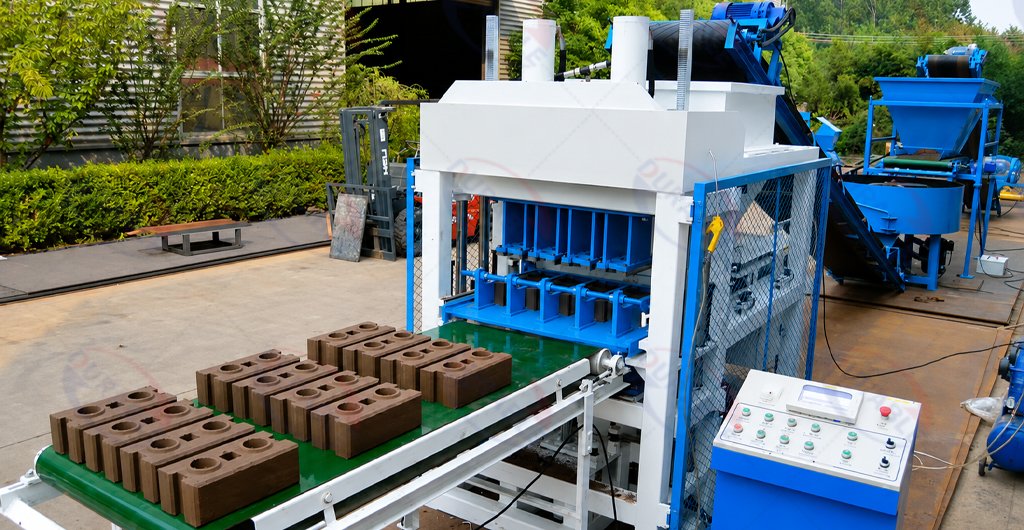
- Semi-automatic earth block machine
- Mixer
- Conveyor
- Soil screening equipment
- Storage area
Fully Automatic Production Plant
Suitable for:
- Government projects
- Industrial-scale production
- Export-focused businesses
Typical investment:
$100,000 – $500,000+
Many investors eventually upgrade to an automatic brick making machine once production volumes become stable.
Hidden Costs Many Beginners Ignore
Common hidden costs include:
- Land preparation
- Soil testing
- Electrical installation
- Transportation vehicles
- Pallets
- Labor training
- Backup power systems
Industry Insight
The machine itself is often only 30%–50% of the total startup investment.
Which Machine Should You Choose?
Choosing the right machine is one of the most important decisions.
Manual Earth Block Machines
Best for:
- Very low budgets
- NGO projects
- Rural housing
Advantages:
- Lowest investment
- Easy maintenance
- Simple operation
Disadvantages:
- Higher labor requirement
- Lower production capacity
Semi-Automatic Earth Block Machines
Best for:
- Most startup factories
- Regional suppliers
- Small developers
Advantages:
- Faster production
- Lower labor cost
- Better consistency
Disadvantages:
- Higher investment
- Requires electricity
Expert Recommendation
For most first-time investors in Africa, a semi-automatic hydraulic brick making machine usually provides the best balance between investment cost, production capacity, and maintenance simplicity.
Fully Automatic Earth Block Machines
Best for:
- Large housing projects
- Government contracts
- Industrial production
Advantages:
- Highest output
- Lowest labor requirement
- Better automation
Disadvantages:
- Highest investment
- More complex maintenance
What Type of Soil Works Best?
Not every soil is suitable for compressed earth blocks.
The ideal soil typically contains:
- Sand
- Silt
- Clay
A balanced mixture creates stronger blocks and better compaction.
Typical Soil Composition
| Material | Recommended Range |
|---|---|
| Sand | 50%-70% |
| Silt | 10%-20% |
| Clay | 15%-30% |
Why Too Much Clay Creates Problems
Excess clay often causes:
- Shrinkage cracks
- Warping
- Weak dimensional stability
Meanwhile, too little clay reduces bonding strength.
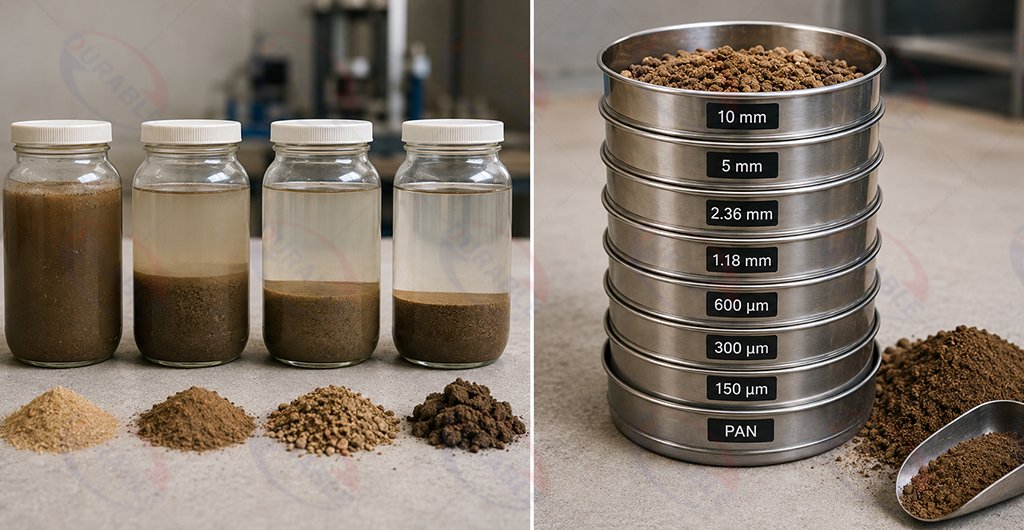
Simple Soil Test
Many small factories use a basic jar test:
- Mix soil and water.
- Shake thoroughly.
- Let it settle.
- Observe the layers.
This simple test provides a good indication of soil composition.
Can You Produce Blocks Without Cement?
Yes, but the answer depends on the application.
Cement-Stabilized Blocks
Advantages:
- Higher strength
- Better water resistance
- Longer lifespan
Most commercial projects use 5%-10% cement.
Lime-Stabilized Blocks
Advantages:
- Lower cement cost
- Better environmental profile
Often used in sustainable construction.
Pure Compressed Earth Blocks
Advantages:
- Lowest material cost
- Minimal environmental impact
However, they are usually suitable only in dry climates.
Industry Expert Conclusion
For most commercial projects, cement-stabilized earth blocks provide the safest balance between cost, strength, and customer acceptance.
What Products Can You Sell?
A compressed earth block factory can produce several products.
Interlocking Earth Blocks
Interlocking blocks reduce mortar usage and speed up construction.
Many manufacturers combine earth block production with an interlocking brick machine to serve affordable housing projects.
Standard Earth Blocks
Suitable for:
- Housing
- Schools
- Community buildings
Decorative Blocks
Suitable for:
- Landscaping
- Garden projects
- Eco-tourism developments
Sustainable Housing Blocks
Growing demand from:
- NGOs
- Green building projects
- Government housing programs
How Much Can You Earn?
Profitability depends on:
- Local demand
- Production efficiency
- Transportation costs
- Raw material availability
Typical Profit Margin
Many earth block businesses operate with:
15%–40% profit margins
depending on market conditions.
Example ROI Scenario
| Item | Example |
|---|---|
| Factory Investment | $30,000 |
| Daily Production | 3,000 blocks |
| Monthly Sales | Stable |
| Estimated ROI | 18-36 Months |
Real Factory Scenario
A small housing contractor in East Africa reduced wall construction costs by nearly 25% after switching from fired clay bricks to compressed earth blocks produced using locally available soil.
Industry Reality
Factories with stable local customers usually outperform factories focused only on maximum production capacity.
Why Many Earth Block Businesses Fail
Choosing the Wrong Soil
Poor soil quality creates weak products.
Buying Oversized Equipment
Many factories invest too much before securing customers.
Ignoring Market Demand
Even the best machine cannot create demand.
Poor Curing Management
Blocks need proper curing for strength development.
Weak Sales Strategy
Some manufacturers focus entirely on production and ignore customer acquisition.
Industry Insight
Market planning usually affects profitability more than machine selection.
Which Markets Offer the Best Opportunities?
Africa
Africa remains one of the strongest growth markets.
Drivers include:
- Housing shortages
- Infrastructure development
- NGO projects
- Government housing programs
Southeast Asia
Demand continues growing because of:
- Urban expansion
- Sustainable construction trends
- Rising building costs
South America
Interest is increasing in:
- Eco-friendly housing
- Sustainable development projects
Rural Housing Projects
Many rural projects benefit because local soil reduces transportation costs dramatically.
Compressed Earth Blocks vs Concrete Blocks
| Factor | Earth Blocks | Concrete Blocks |
|---|---|---|
| Startup Cost | Lower | Higher |
| Raw Material Cost | Lower | Higher |
| Transportation Cost | Lower | Higher |
| Environmental Impact | Lower | Higher |
| Labor Requirement | Similar | Similar |
| ROI Potential | High | High |
Which Is Better?
If suitable soil is available locally, compressed earth blocks often provide a lower-cost business model.
However, where soil quality is poor, a concrete block machine may be a better option.
Industry Expert Conclusion: What Is the Best Low-Investment Setup?
For most startup investors:
Recommended Machine
Semi-automatic compressed earth block machine.
Recommended Investment
$20,000–$50,000.
Recommended Customers
- Local contractors
- NGOs
- Housing developers
- Government projects
Fastest ROI Strategy
Focus on:
- Local soil availability
- Stable customer relationships
- Affordable housing demand
Biggest Mistake to Avoid
Buying oversized equipment before validating market demand.
Frequently Asked Questions
How much does a compressed earth block machine cost?
Manual machines may start around $5,000, while fully automatic systems can exceed $100,000.
Can I make earth blocks without cement?
Yes. However, cement stabilization usually improves strength and durability.
How many blocks can a machine produce per day?
Production depends on machine type. Small systems may produce hundreds of blocks daily, while automatic plants can produce thousands.
Is a compressed earth block business profitable?
Yes. When suitable soil and stable market demand are available, profit margins can be attractive.
Which countries have the strongest demand?
Many African countries currently show strong demand because of housing shortages and infrastructure growth.
How long does ROI usually take?
Most profitable factories recover investment within approximately 1.5 to 3 years under stable operating conditions.
About Durable
Durable provides complete compressed earth block production solutions for customers worldwide.
Our equipment range includes:
- Compressed earth block machines
- Hydraulic brick making machines
- Interlocking brick machines
- Automatic brick production lines
- Concrete block machines
- Mixing systems
- Material handling equipment
We help customers choose the right equipment based on local soil conditions, production goals, labor availability, and market demand.
Whether you are starting a small earth block business or planning a large housing project, our engineering team can help you build a stable and profitable production solution.
Contact Durable today to discuss your compressed earth block project.