 Durable Machinery
Get Price
10 Things to Know Before Buying a Cheap Paver Block Machine
Cheap paver block machines attract many first-time buyers because the startup investment looks lower. At first glance, saving money on equipment seems like a smart business decision. However, many factory owners later discover that low-cost machines often create much bigger hidden expenses.
In the paver block business, stable quality matters more than maximum advertised output. Decorative paving blocks require strong density, sharp edges, and consistent dimensions. Because of this, cheap machines often struggle much faster than ordinary hollow block equipment.
Before buying a low-cost machine, it is important to understand where suppliers usually reduce costs and how these shortcuts affect long-term profitability.
Why Cheap Paver Block Machines Attract So Many Buyers
Low-cost machines reduce the entry barrier for new investors. Many startups want to enter the paving block business quickly without spending too much money in the beginning.
At the same time, demand for paving blocks continues growing because cities are expanding rapidly. Municipal projects, sidewalks, parking areas, and residential developments all increase paver demand.
Because of this, many investors search for a paver block machine that offers lower startup cost.
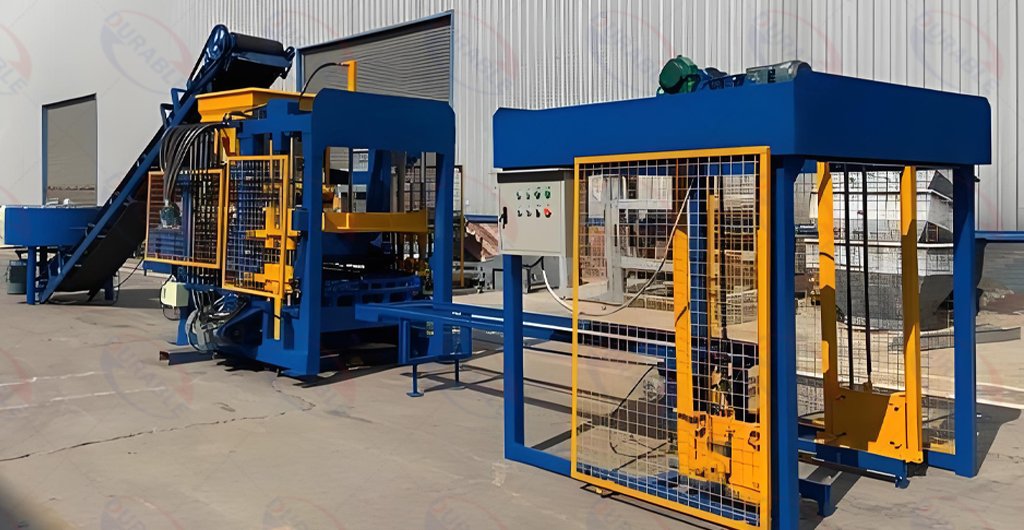
Why Cheap Machines Look Attractive Initially
Low-cost machines usually promise:
- Faster startup
- Lower investment
- High production capacity
- Easy operation
However, many buyers later discover that cheap machines often reduce cost in critical components that directly affect long-term production stability.
Industry Reality
Many failed paving block factories actually had acceptable machines at the beginning. The real problems appeared several months later when vibration systems, molds, and hydraulic parts started becoming unstable.
1. Cheap Machines Often Save Money by Reducing Steel Thickness
This is one of the most common hidden shortcuts in the industry.
Many low-cost suppliers use:
- Thin machine frames
- Lower-grade steel
- Weak welding structures
At first, the machine may still operate normally. However, continuous vibration slowly deforms the frame over time.
Why Steel Structure Matters So Much
Weak machine structures eventually create:
- Mold misalignment
- Cracked welds
- Unstable vibration
- Poor block dimensions
Paver block production is especially sensitive because decorative surfaces reveal defects much faster than ordinary blocks.
Experienced buyers often inspect machine weight before checking paint color.
Practical Inspection Suggestions
- Check steel thickness carefully
- Inspect welding quality
- Review machine weight
- Look for vibration cracks near joints
2. Weak Vibration Systems Quietly Destroy Block Quality
Most beginners focus heavily on hydraulic pressure. However, vibration quality is equally important in paving block production.
Poor vibration systems often create:
- Low block density
- Uneven compaction
- Surface defects
- Edge cracking
- Color inconsistency
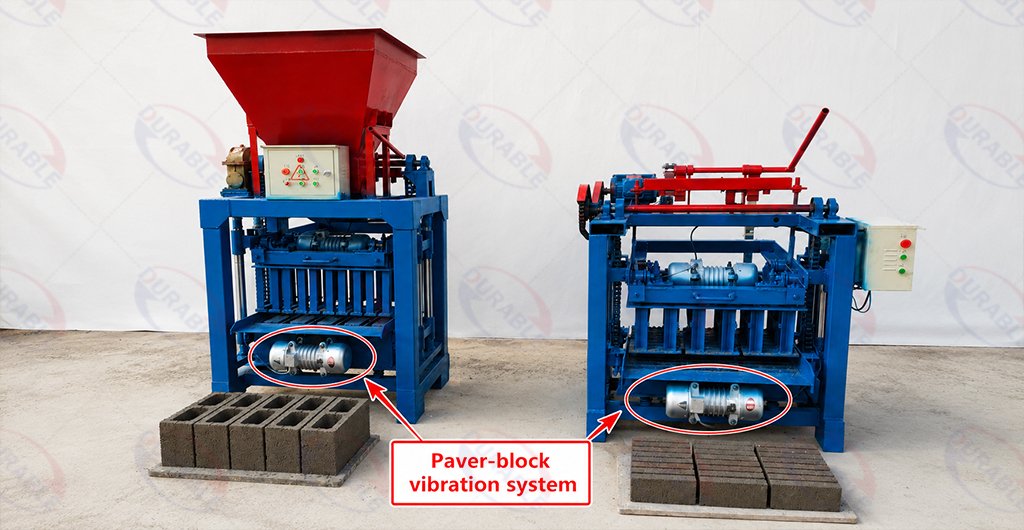
Why Vibration Stability Matters More for Pavers
Paver blocks require:
- Better surface appearance
- Higher density
- Cleaner edges
- Better dimensional consistency
Because of this, vibration instability becomes visible much faster compared with ordinary hollow blocks.
Many professional factories now use a hydraulic brick making machine with synchronized vibration systems for better compaction stability.
Useful Production Suggestions
- Check vibration motor brands
- Inspect bearing durability
- Monitor synchronization stability
- Avoid unstable vibration frequency
3. Cheap Molds Become Expensive Very Quickly
Mold quality directly affects block appearance and customer trust.
Low-cost molds usually wear much faster. This creates:
- Broken corners
- Inconsistent dimensions
- Poor interlocking precision
- Surface defects
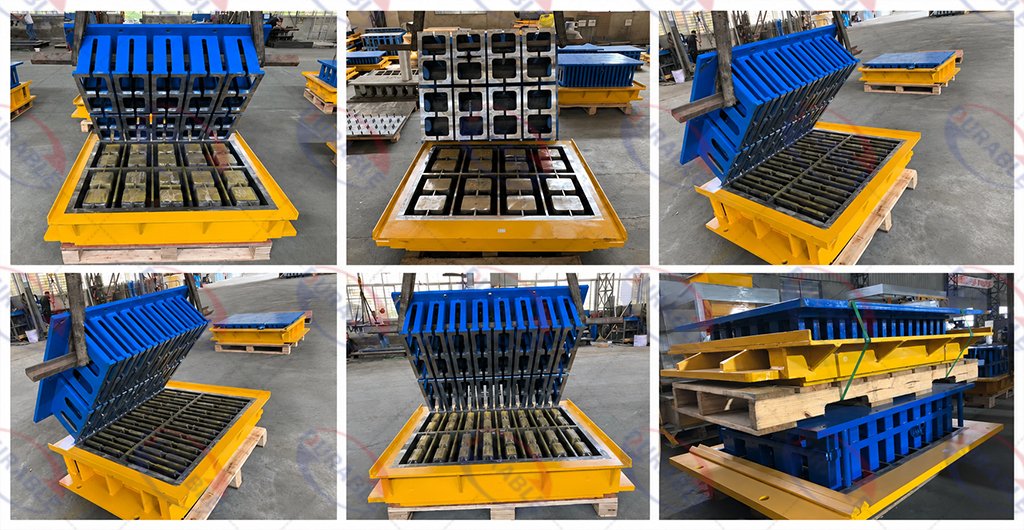
Why Experienced Factories Invest Heavily in Molds
Professional manufacturers often prioritize:
- Heat treatment
- CNC machining
- Replaceable wear plates
- Dimensional precision
Many decorative block factories use a concrete paver block machine with precision molds because surface quality directly affects selling price.
Practical Mold Suggestions
- Inspect mold machining quality
- Check wear plate replacement design
- Review mold lifespan carefully
- Monitor dimensional accuracy regularly
4. Cheap Hydraulic Systems Usually Fail Gradually
This is why many buyers get misled during factory testing.
The machine may operate normally for a short time. However, hidden hydraulic problems usually appear gradually.
Common issues include:
- Hydraulic leakage
- Pressure instability
- Overheating
- Slow cycle speed
- Valve failure
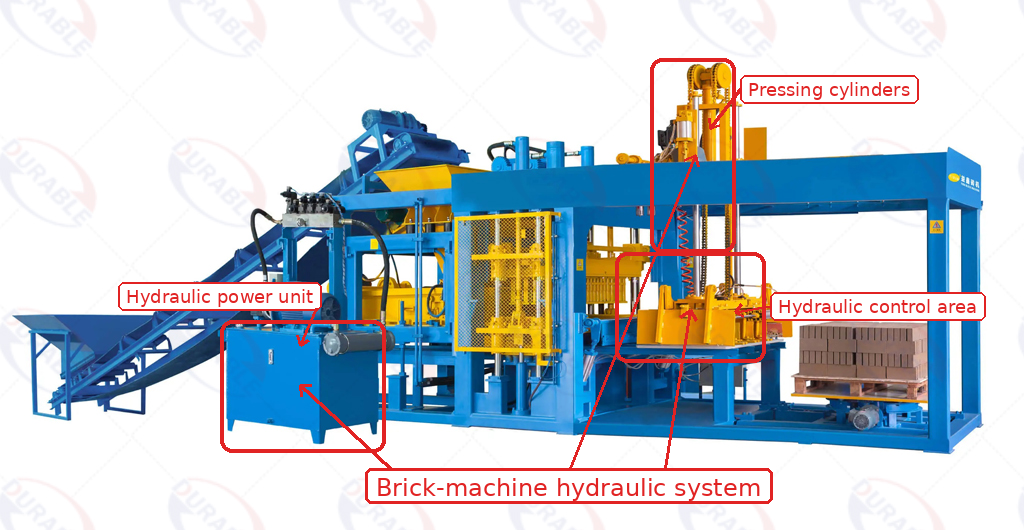
Why Hydraulic Stability Matters More Than Pressure Numbers
Large pressure numbers are often marketing tools. In reality, long-term pressure stability matters much more.
Low-quality hydraulic systems usually create:
- Inconsistent block density
- Slow production cycles
- Higher maintenance cost
- Unstable operation
Many factories now prefer a fully automatic brick making machine with reliable hydraulic synchronization instead of extremely high pressure claims.
Practical Hydraulic Suggestions
- Check hydraulic valve brands
- Inspect oil cooling systems
- Monitor response speed
- Review hydraulic maintenance requirements
5. Cheap Machines Often Exaggerate Production Capacity
Rated output usually assumes ideal conditions. This is extremely common in the industry.
Actual production depends on:
- Worker skill
- Material quality
- Curing space
- Pallet circulation
- Machine stability
- Weather conditions
Why Smaller Stable Machines Often Produce More Profit
Some low-cost “high-capacity” machines actually produce less real output because:
- Downtime increases
- Rejection rates rise
- Vibration becomes unstable
- Mold wear accelerates
Meanwhile, stable medium-size systems usually maintain more consistent production.
Useful Production Suggestions
- Focus on stable daily output
- Avoid unrealistic production claims
- Check actual factory operation videos
- Review customer case studies carefully
6. Poor Electrical Systems Create Serious Problems
Many cheap machines use low-quality electrical components to reduce cost.
This becomes especially dangerous in regions with unstable electricity supply.
Common problems include:
- PLC failures
- Sensor malfunction
- Contactor burning
- Unstable operation
Why Electrical Stability Matters in Africa and Southeast Asia
Voltage fluctuation is common in many developing markets. Because of this, experienced factories usually install:
- Voltage stabilizers
- Backup generators
- Surge protection systems
Many professional automatic paver block machine systems now include better electrical protection for unstable power conditions.
Practical Electrical Suggestions
- Inspect PLC brands carefully
- Protect electrical cabinets from dust
- Check local voltage conditions
- Install surge protection if necessary
7. Cheap Pallets Quietly Increase Production Costs
Most beginners ignore pallet quality completely.
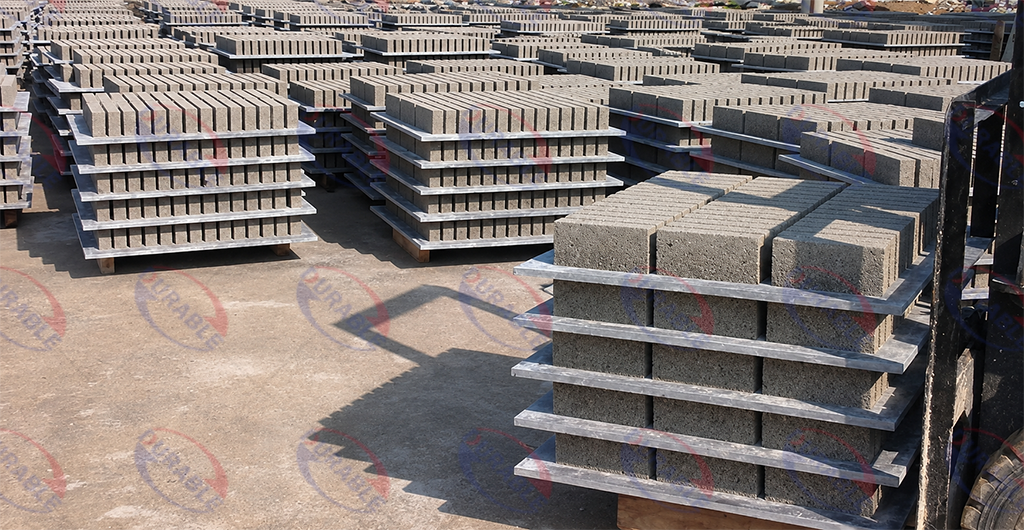
However, pallets directly affect:
- Vibration stability
- Block dimensions
- Stacking quality
- Production consistency
Low-quality pallets often create:
- Cracked pavers
- Uneven dimensions
- Warping
- High rejection rates
Why Humid Climates Create Bigger Problems
In humid African and Southeast Asian regions, cheap bamboo pallets often absorb moisture and deform quickly.
This becomes a major long-term operating expense.
Practical Pallet Suggestions
- Calculate pallet lifespan per cycle
- Inspect pallet flatness regularly
- Avoid low-density bamboo pallets
- Monitor vibration consistency
8. Poor Spare Parts Support Becomes a Serious Risk
Many cheap machines have weak after-sales systems. This becomes dangerous after installation.
Common problems include:
- No local spare parts
- Delayed shipments
- Non-standard components
- Difficult maintenance
Why Downtime Becomes Extremely Expensive
Production stoppages often cost more than the original machine price difference.
Experienced buyers usually ask:
- Which parts wear fastest?
- Are spare parts standardized?
- How quickly can replacements arrive?
- Is remote technical support available?
before purchasing.
Useful After-Sales Suggestions
- Confirm spare parts inventory
- Check technical support response time
- Request maintenance documentation
- Train local operators properly
9. Cheap Machines Often Produce Poor Surface Finish
Paver blocks require much better appearance than ordinary blocks.
Customers immediately notice:
- Surface defects
- Edge damage
- Color inconsistency
- Dimensional variation
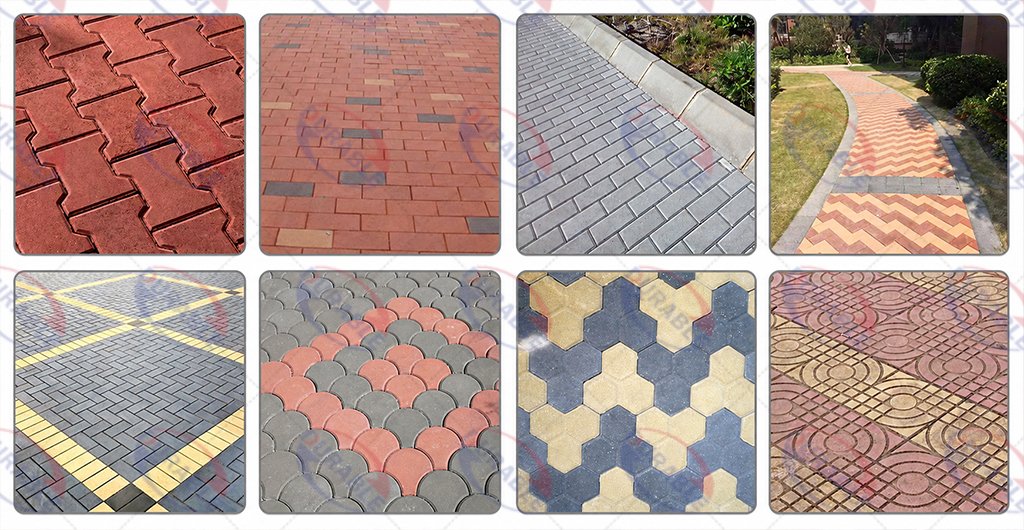
Why Decorative Markets Demand Higher Precision
Decorative paving projects are much less tolerant of low-quality products.
Because of this, professional factories invest heavily in:
- Surface feeding systems
- Vibration tuning
- Mold precision
- Material consistency
Some manufacturers also use an
interlocking brick machine
for specialized decorative paving systems.
Practical Quality Suggestions
- Control raw material moisture carefully
- Maintain stable vibration
- Inspect surface finish daily
- Monitor color consistency
10. The Cheapest Machine Rarely Creates the Highest Profit
This is one of the biggest lessons experienced factory owners eventually learn.
Cheap machines may reduce startup cost initially. However, long-term problems often include:
- Higher maintenance
- Frequent downtime
- Poor product quality
- Customer complaints
- Low resale value
Why Stable Production Matters Most
Factories surviving long term usually focus on:
- Stable operation
- Easy maintenance
- Reliable spare parts
- Consistent quality
- Strong contractor relationships
Many successful factories now build scalable
paver block production line
systems instead of choosing the cheapest available machine.
Final Buying Suggestions
- Calculate long-term operating cost
- Inspect critical components carefully
- Choose reliable suppliers
- Prioritize stable production
What Experienced Buyers Usually Inspect Before Purchasing
Machine Structure
- Steel thickness
- Welding quality
- Frame stability
- Machine weight
Hydraulic System
- Valve brand
- Pump quality
- Oil cooling system
- Pressure stability
Vibration System
- Motor quality
- Bearing durability
- Frequency stability
- Synchronization
Mold Quality
- Heat treatment
- CNC machining
- Wear plate design
- Dimensional precision
After-Sales Support
- Spare parts availability
- Installation guidance
- Operator training
- Technical support
Frequently Asked Questions
Are cheap paver block machines always bad?
Not always. Some low-cost machines work well for small projects. However, buyers should inspect hydraulic systems, vibration quality, and mold precision carefully.
Why do cheap molds wear so quickly?
Many low-cost molds use weaker steel and poor heat treatment, which accelerates wear during continuous vibration.
Which machine type works best for Africa?
Semi-automatic hydraulic systems are often popular because maintenance is simpler and electricity conditions are sometimes unstable.
Why are pallets important in paver production?
Pallets directly affect vibration stability, block dimensions, and stacking consistency.
How long does ROI usually take?
Most stable paver block factories recover investment within 1.5 to 4 years depending on local demand and production management.
Conclusion and Recommendations
Buying a cheap paver block machine is not always a mistake. However, buyers must understand where suppliers reduce costs and how these shortcuts affect long-term profitability.
Successful factories usually focus on:
- Stable production
- Reliable molds
- Good vibration systems
- Strong hydraulic stability
- Spare parts availability
- Easy maintenance
The factories achieving the best long-term results usually prioritize operational stability instead of chasing the lowest purchase price.
About Durable
At Durable, we provide customized paving block production solutions for B2B customers worldwide. Our product range includes:
- Paver block machines
- Hydraulic brick machines
- Interlocking brick machines
- Automatic block production lines
- Concrete mixers
- Batching systems
- Pallet handling systems
We help customers build stable and profitable paver block factories based on local market demand, labor conditions, raw materials, and production goals.
If you are planning a paving block production project, our engineering team can help you choose the right machine for long-term profitability.
Contact Durable today for customized paver block production solutions.