 Durable Machinery
Get Price
Hydraulic Brick Making Machine Price Guide in 2026
Hydraulic brick making machines remain one of the most popular construction equipment categories in 2026. Demand continues growing in Africa, Southeast Asia, the Middle East, and many developing markets. Rising housing demand and infrastructure expansion are pushing more investors toward local brick and block production.
However, many buyers still struggle with one important question:
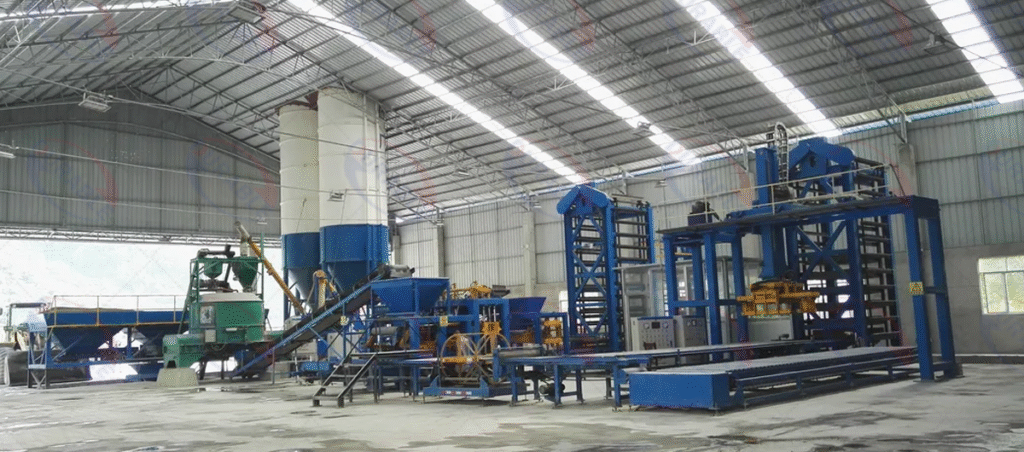
Why do hydraulic brick machine prices vary so much?
Some machines cost only a few thousand dollars, while fully automatic production lines may cost hundreds of thousands. The difference is not only about machine size. In reality, hydraulic quality, automation level, mold precision, and long-term operating stability affect pricing much more than many beginners realize.
What Is a Hydraulic Brick Making Machine?
A hydraulic brick machine uses hydraulic pressure and vibration systems to produce concrete blocks, pavers, hollow blocks, and interlocking bricks. Compared with traditional mechanical systems, hydraulic machines provide more stable compression and better block consistency.
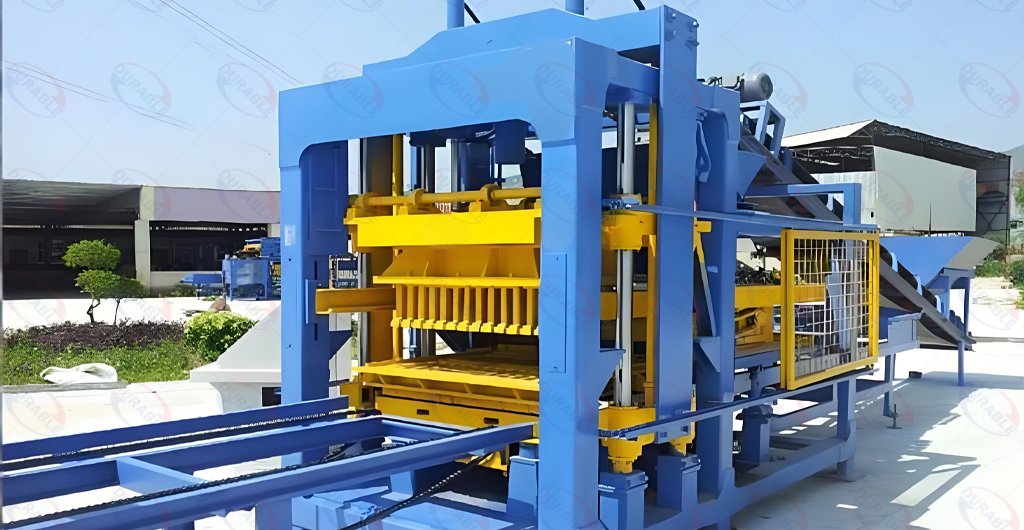
Today, many factories use a hydraulic brick making machine because it improves:
- Block density
- Edge quality
- Production stability
- Automation flexibility
- Long-term efficiency
Why Hydraulic Machines Became the Industry Standard
Traditional mechanical systems often suffer from unstable pressure and inconsistent block quality. Hydraulic systems perform better because pressure remains more controlled during continuous production.
As a result, manufacturers usually achieve:
- Cleaner block edges
- Better stacking quality
- Lower rejection rates
- More stable dimensions
Practical Buyer Advice
- Small factories often choose semi-automatic systems first
- Large suppliers usually focus on automation stability
- Developing markets often prefer simpler hydraulic systems
Why Are Hydraulic Brick Machine Prices So Different in 2026?
Machine price depends on much more than production capacity. Many beginners only compare machine size. However, experienced factory owners focus more on long-term operating cost.
Several factors directly affect machine pricing:
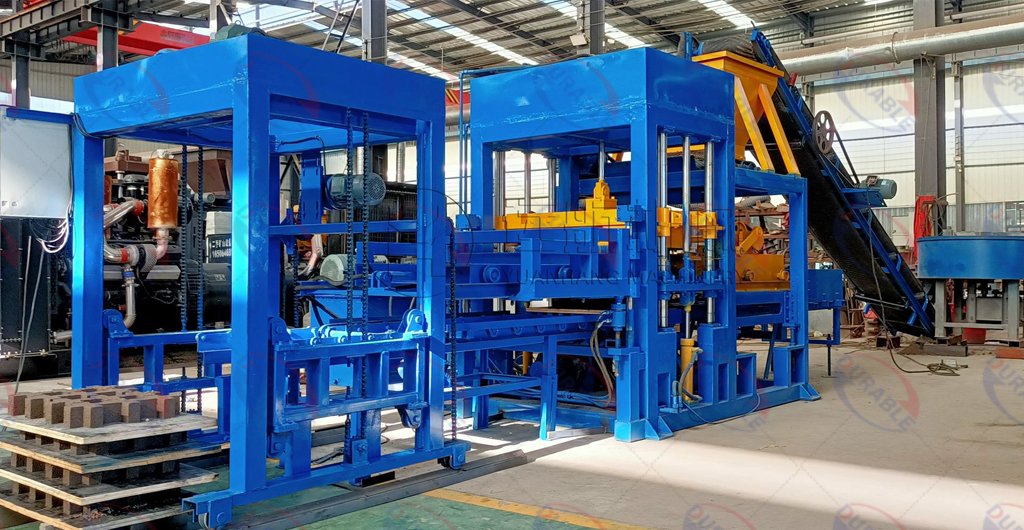
- Automation level
- Hydraulic system quality
- Mold precision
- Steel thickness
- Vibration system
- PLC control quality
- Country of manufacture
- After-sales support
Why Cheap Machines Often Become Expensive Later
Some suppliers reduce price by cutting cost in hidden areas such as:
- Hydraulic valves
- Electrical systems
- Bearings
- Vibration motors
- Mold materials
- Steel structure thickness
At first, the machine may appear similar to premium systems. However, long-term problems often appear later.
Common issues include:
- Hydraulic leakage
- Frequent downtime
- Weak vibration
- Mold wear
- Inconsistent block quality
Useful Pricing Advice
- Compare long-term operating cost
- Inspect hydraulic components carefully
- Review spare parts availability
- Ask about warranty coverage
Small Manual Hydraulic Brick Machine Price Range in 2026
Small manual hydraulic machines are usually suitable for:
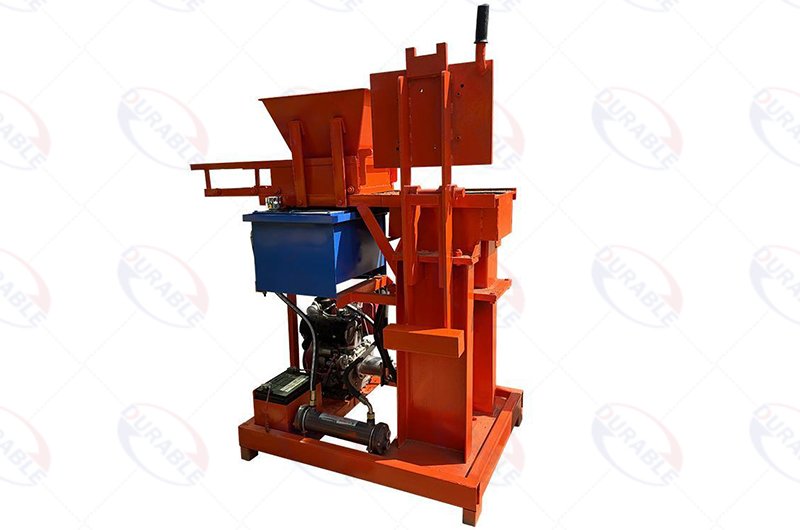
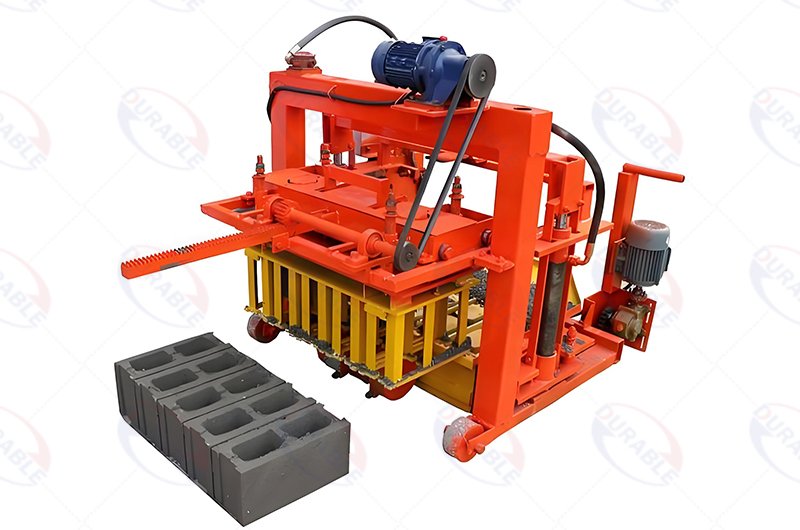
- Rural projects
- NGO housing
- Small contractors
- Startup factories
Typical price range:
- $2,000 – $8,000
These machines require more labor but lower startup investment.
Why Manual Machines Still Have Demand
Many rural construction projects do not require high automation. In addition, unstable electricity makes simple systems more practical in some regions.
Some contractors choose a compact
manual brick making machine
because maintenance is easier and transportation is simpler.
Hidden Problems With Extremely Cheap Machines
Very low-cost manual systems often suffer from:
- Poor compression consistency
- Weak molds
- Low density blocks
- Fast wear
Practical Suggestions
- Avoid extremely thin steel frames
- Inspect mold quality carefully
- Check hydraulic stability before purchase
- Focus on stable block quality instead of lowest price
Semi-Automatic Hydraulic Brick Machine Price Range in 2026
Semi-automatic systems remain one of the most profitable categories in many developing markets.
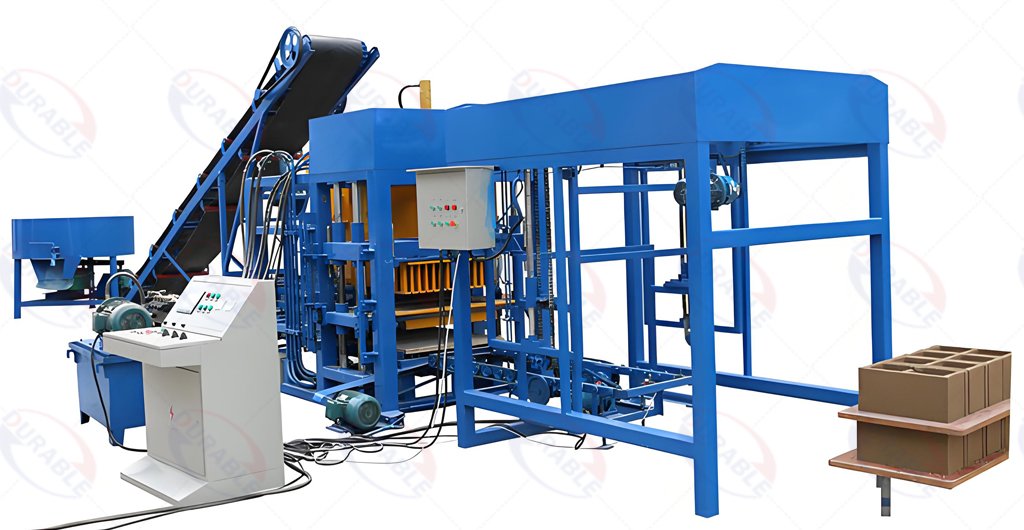
Typical price range:
- $10,000 – $50,000
These systems usually balance:
- Investment cost
- Labor usage
- Maintenance simplicity
- Production efficiency
Why Semi-Automatic Systems Remain So Popular
In Africa and Southeast Asia, semi-automatic systems often provide faster ROI because:
- Labor remains affordable
- Maintenance is simpler
- Downtime risk is lower
- Spare parts are easier to replace
Many medium-size factories now choose a block making machine with scalable automation instead of immediately building a large fully automatic plant.
Useful Investment Suggestions
- Choose expandable layouts
- Avoid excessive automation early
- Focus on local market demand
- Control operating cost carefully
Fully Automatic Hydraulic Block Production Line Cost in 2026
Fully automatic hydraulic production lines are usually designed for:
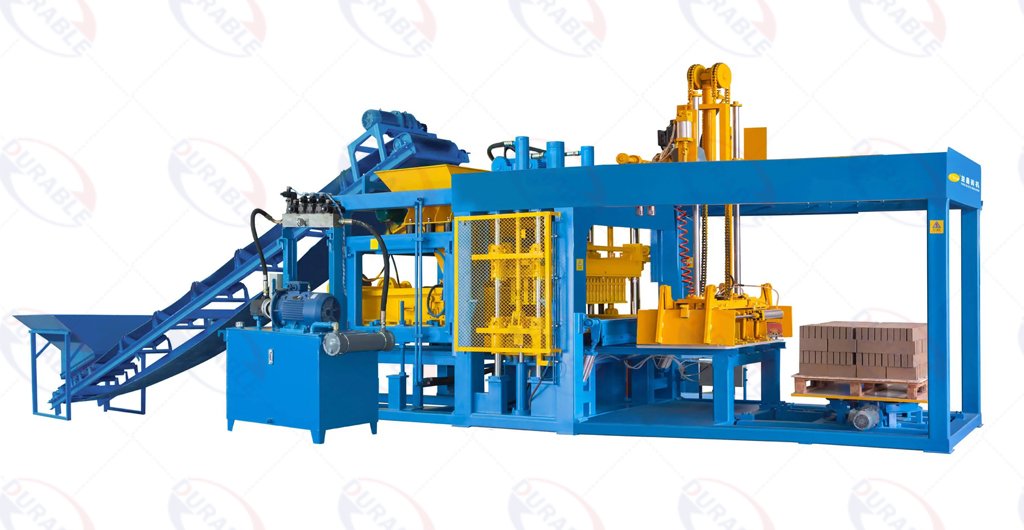
- Government projects
- Large construction suppliers
- Industrial-scale production
- Export-oriented factories
Typical investment range:
- $80,000 – $500,000+
However, many buyers forget that the machine itself is often only part of the total project investment.
Hidden Costs Many Suppliers Never Mention
Additional costs often include:
- Pallet systems
- Stackers
- Forklifts
- Generators
- Curing systems
- Factory construction
- Raw material systems
Many factories now combine production with a
twin shaft concrete mixer
because stable mixing is critical for automatic production lines.
Why Full Automation Is Not Always the Best Choice
Highly automated systems may struggle in regions with:
- Unstable electricity
- Limited technical support
- Difficult maintenance
- Spare parts delays
Practical Automation Advice
- Match automation to local conditions
- Train operators carefully
- Budget for electrical protection systems
- Upgrade gradually if necessary
Industry Observation: The best machine is usually the one local operators can maintain reliably for many years.
Why Mold Quality Changes Machine Price So Much
Molds are one of the most important long-term investments in brick production. Yet many beginners underestimate mold cost completely.
Cheap molds often create:
- Broken corners
- Fast wear
- Poor dimensions
- Weak interlocking precision
Why Experienced Buyers Inspect Molds First
High-quality molds improve:
- Block dimensions
- Edge sharpness
- Wall alignment
- Stacking quality
Some factories producing decorative products now use a paver block machine with CNC-machined molds for higher precision.
Useful Mold Suggestions
- Check heat treatment quality
- Inspect wear plate design
- Review CNC machining accuracy
- Monitor long-term mold lifespan
Why Hydraulic System Quality Matters More Than Pressure Numbers
Large pressure numbers are often marketing tools. Real block quality depends more on pressure stability than maximum pressure.
Important hydraulic factors include:
- Response speed
- Synchronization
- Pressure stability
- Vibration timing
Why Cheap Hydraulic Systems Fail Slowly
Poor hydraulic systems usually do not fail immediately. Instead, performance gradually becomes unstable.
This often causes:
- Uneven block density
- Hydraulic overheating
- Leakage
- Production inconsistency
Practical Hydraulic Suggestions
- Inspect valve brands carefully
- Review oil cooling systems
- Monitor synchronization stability
- Check maintenance requirements
Why Chinese Hydraulic Brick Machines Dominate Global Markets
Many buyers assume Chinese equipment dominates only because prices are lower. However, several other factors matter too.
Chinese manufacturers now offer:
- Flexible customization
- Faster production time
- Easier spare parts supply
- Scalable automation
- Simpler maintenance systems
Because of this, many African and Southeast Asian buyers prefer Chinese equipment over highly complex European systems.
Why European Machines Still Cost More
European systems often focus heavily on:
- Automation precision
- Advanced PLC controls
- Long-term industrial stability
However, some highly automated systems struggle in developing markets because maintenance becomes difficult.
Practical Supplier Suggestions
- Check local technical support
- Confirm spare parts availability
- Focus on realistic maintenance needs
- Choose systems matching local operator skills
Why Electricity Stability Quietly Changes Equipment Selection
Many hydraulic systems are sensitive to voltage fluctuation. Unfortunately, many suppliers rarely explain this clearly.
Unstable electricity may damage:
- PLC systems
- Inverters
- Sensors
- Hydraulic motors
- Control systems
Why Power Protection Is Important
Experienced factories often budget for:
- Voltage stabilizers
- Backup generators
- Surge protection systems
especially in Africa and Southeast Asia.
Useful Electrical Suggestions
- Study local power conditions first
- Protect electrical cabinets carefully
- Monitor voltage stability daily
- Install backup systems if necessary
Why Machine Capacity Claims Are Often Misleading
Rated production capacity usually assumes ideal conditions. Actual output depends on several real-world factors.
These include:
- Worker skill
- Raw material quality
- Curing space
- Pallet circulation
- Machine stability
- Climate conditions
Why Smaller Stable Factories Often Make More Profit
A smaller stable factory may outperform a larger unstable factory because downtime and rejected blocks quietly destroy profit.
Many factories producing local construction blocks now combine a concrete block machine with flexible production layouts to improve daily efficiency.
Practical Production Suggestions
- Focus on stable output
- Avoid oversized equipment
- Improve pallet circulation
- Train operators carefully
Which Hydraulic Brick Machine Type Is Most Profitable in 2026?
Current market demand remains strongest for:
- Semi-automatic hydraulic block machines
- Interlocking brick machines
- Medium automatic production lines
especially in:
- Africa
- Southeast Asia
- Rural housing projects
- Government infrastructure markets
Why These Systems Perform Well
These production systems usually offer:
- Lower startup risk
- Faster ROI
- Simpler maintenance
- Flexible production
Meanwhile, many new investors now focus on interlocking brick machine production because interlocking systems reduce mortar usage and labor dependency.
Frequently Asked Questions
How much does a hydraulic brick machine cost in 2026?
Manual systems usually start around $2,000, while fully automatic production lines may exceed $500,000 depending on configuration.
Why are some machines much cheaper?
Cheap machines often reduce cost through lower-quality hydraulic parts, weaker molds, thin steel structures, and simplified electrical systems.
Which machine type is best for beginners?
Semi-automatic hydraulic systems are usually the safest starting point for many developing markets.
Why does mold quality matter so much?
Mold precision directly affects block dimensions, edge quality, stacking stability, and long-term customer trust.
Is full automation always better?
Not always. In regions with unstable electricity or limited technical support, simpler systems may perform better long term.
Conclusion and Recommendations
The real question is not simply:
“How much does the machine cost?”
The better question is:
“How much stable profit can the machine generate over the next 5-10 years?”
Successful factories usually focus on:
- Stable operation
- Reliable molds
- Good hydraulic systems
- Spare parts availability
- Operator training
- Realistic market demand
The cheapest machine rarely becomes the cheapest investment in the long run.
About Durable
At Durable, we provide customized hydraulic brick production solutions for B2B customers worldwide. Our equipment range includes:
- Hydraulic brick machines
- Hollow block machines
- Interlocking brick machines
- Automatic block production lines
- Concrete mixers
- Batching systems
- Pallet handling systems
We help investors choose the right equipment based on local market demand, labor conditions, raw materials, and production goals.
If you are planning a hydraulic brick production project in 2026, our engineering team can help you design a stable and profitable factory solution.
Contact Durable today for customized hydraulic brick machine recommendations.