 Durable Machinery
Get Price
How Much Does a Charcoal Processing Plant Cost in 2026?
Building a Charcoal Processing Plant has become an attractive investment for entrepreneurs, biomass fuel producers, and agricultural processing companies. Demand for BBQ charcoal, shisha charcoal, industrial charcoal, and biomass briquettes continues to increase, especially in Africa, the Middle East, Southeast Asia, and South America.
With this growing demand, many investors are now looking for reliable ways to enter the charcoal and biomass briquette business.At the same time, one question is becoming more common among new investors and factory owners:
How much does a charcoal processing plant cost in 2026?
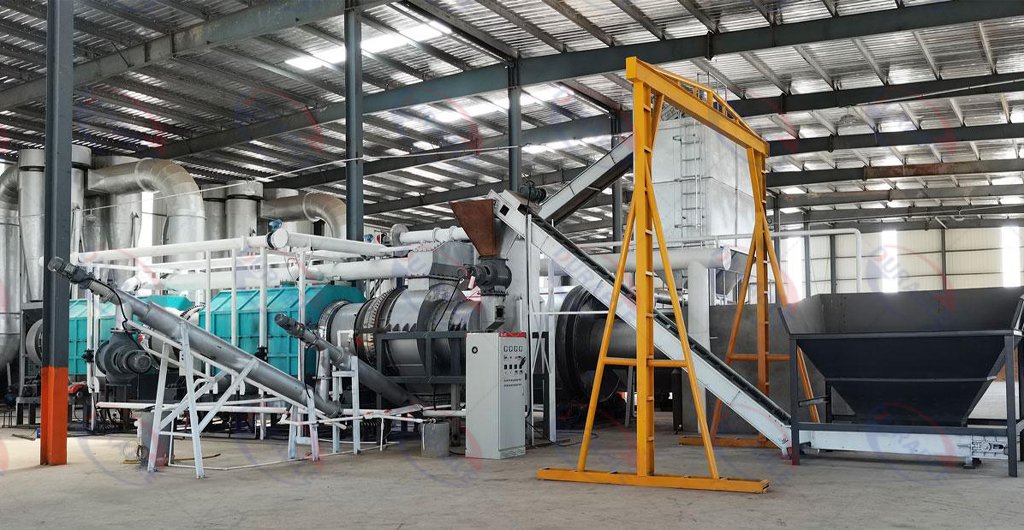
However, there is no single answer because every project is different. Plant capacity, raw materials, automation level, product type, and local operating conditions all influence the final investment.
For example, a small charcoal briquette workshop may require less than US$20,000, while a fully automated charcoal processing plant designed for export markets can exceed US$500,000.
The best investment is not always the largest production line. Instead, it is the system that matches your production goals, available raw materials, and local market demand.
Why More Investors Are Building Charcoal Processing Plants
The charcoal industry has changed significantly over the past decade.
Instead of producing charcoal only for household cooking, manufacturers now supply a wide range of higher-value markets, including:
- BBQ charcoal
- Shisha charcoal
- Industrial carbon fuel
- Biomass briquettes
- Restaurant fuel
- Metallurgical charcoal
In addition, governments and businesses are looking for cleaner alternatives to traditional fossil fuels.
As a result, agricultural waste that was once discarded can now be converted into profitable charcoal products.
Common raw materials include:
- Sawdust
- Coconut shells
- Rice husks
- Palm kernel shells
- Bamboo
- Wood chips
- Agricultural residues
Because these materials are inexpensive and widely available, charcoal production offers attractive profit potential in many regions.
What Is a Charcoal Processing Plant?
A charcoal processing plant is a complete production system that converts biomass materials or charcoal powder into finished charcoal products.
Depending on the target market, the finished products may include:
- BBQ charcoal briquettes
- Shisha charcoal cubes
- Pillow charcoal briquettes
- Honeycomb charcoal
- Industrial charcoal fuel
- Biomass briquettes
Unlike a single charcoal briquette machine, a complete production line combines several machines into one continuous process.
This improves:
- Production efficiency
- Product consistency
- Labor productivity
- Energy utilization
- Overall profitability
Many manufacturers choose a complete Charcoal Briquette Production Line instead of purchasing individual machines because every stage is designed to work together, improving efficiency while reducing long-term operating costs.
What Equipment Is Included in a Charcoal Processing Plant?
A charcoal processing plant consists of several machines working together.
The exact configuration depends on the raw material, production capacity, and final product. However, most commercial plants include the following equipment.
Raw Material Preparation Equipment
Production starts with raw material preparation.
Depending on the biomass, equipment may include:
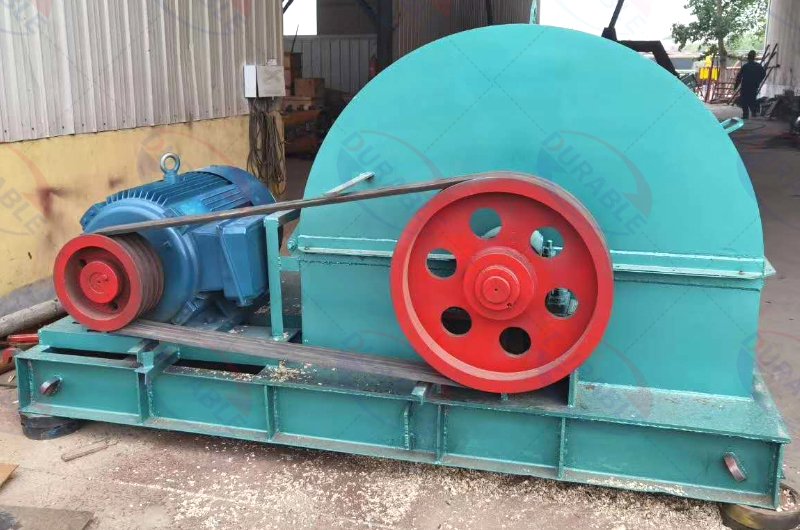
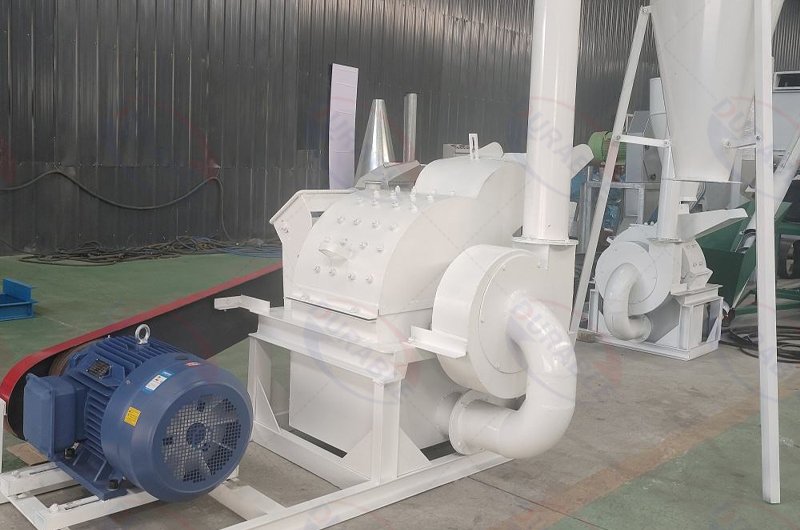
- Wood crusher
- Hammer mill
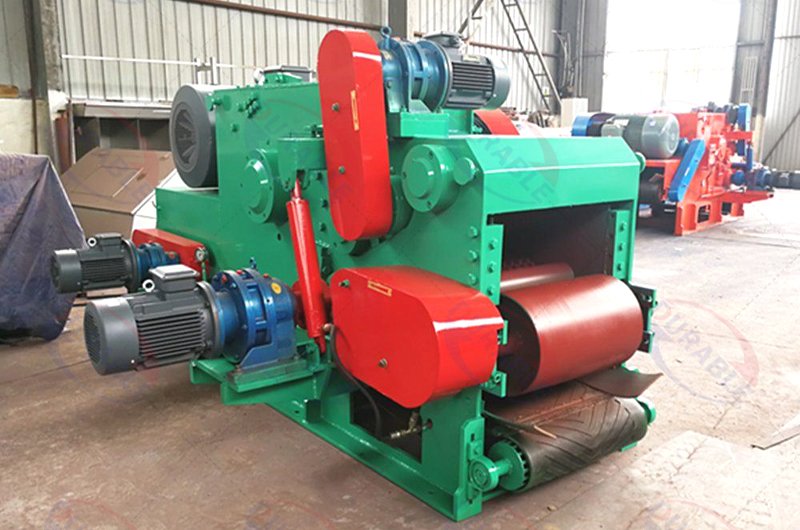
- Wood chipper
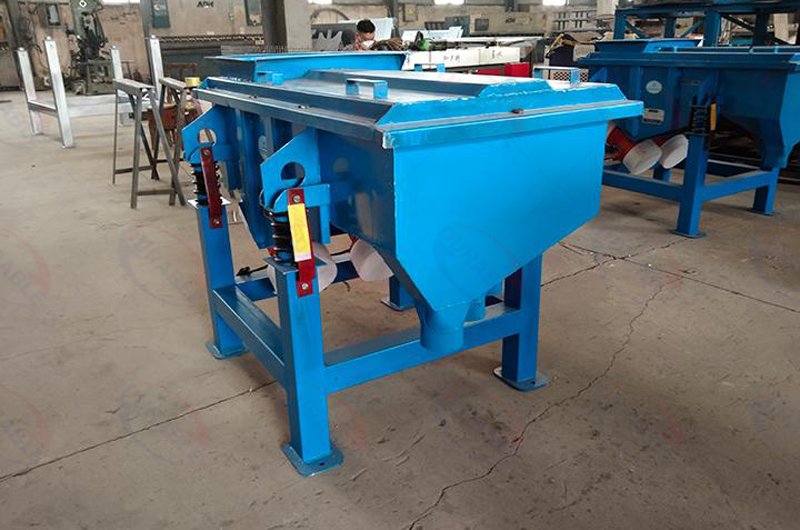
- Screening machine
Proper particle size improves carbonization efficiency and helps produce more consistent charcoal.
Carbonization Furnace
The carbonization furnace converts biomass into charcoal.
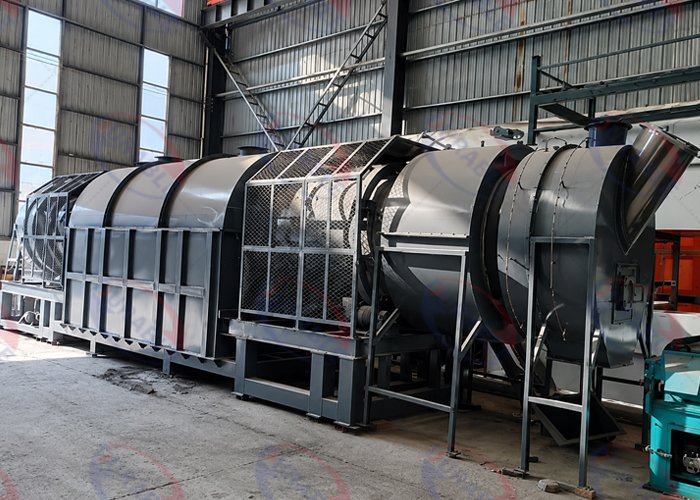
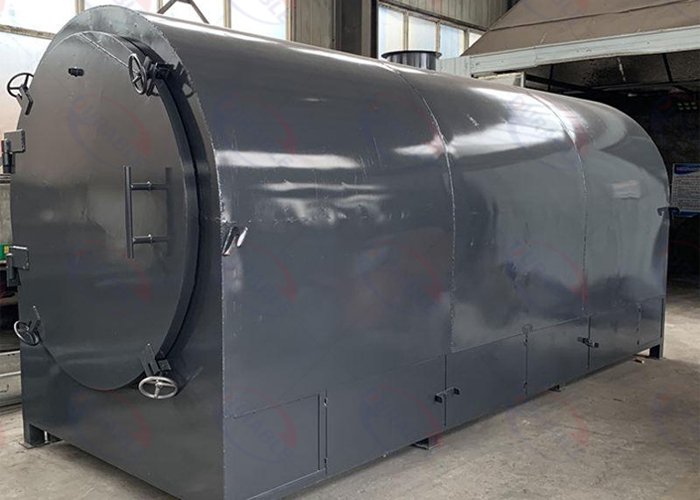
This is one of the most important machines in the production line because it determines:
- Carbon content
- Charcoal quality
- Fuel value
- Smoke emissions
Different projects may use a Batch Carbonization Furnace for flexible small-scale production or a Horizontal Carbonization Furnace for higher-capacity continuous operation.
Choosing the right furnace depends on production volume, raw material characteristics, and your long-term expansion plans.
Charcoal Crusher
After carbonization, the material enters a Charcoal Crusher where large charcoal pieces are crushed into fine powder.
Uniform charcoal powder improves binder mixing, increases briquette density, and reduces material waste during production.
Charcoal Powder Screening Machine
Before mixing, charcoal powder passes through a Charcoal Powder Screening Machine.
This removes oversized particles, improves product consistency, and helps extend the service life of the briquette machine.
Mixing Machine
The mixer blends charcoal powder with binders and water.
Proper mixing improves:
- Briquette strength
- Surface quality
- Product consistency
Factories producing premium shisha charcoal often use more precise mixing systems to achieve higher quality standards.
For premium shisha charcoal production, many factories combine the mixer with a complete Charcoal Briquette Production Line to achieve more stable product quality.
Charcoal Briquette Machine
The Charcoal Briquette Machine compresses the mixed material into finished charcoal products.
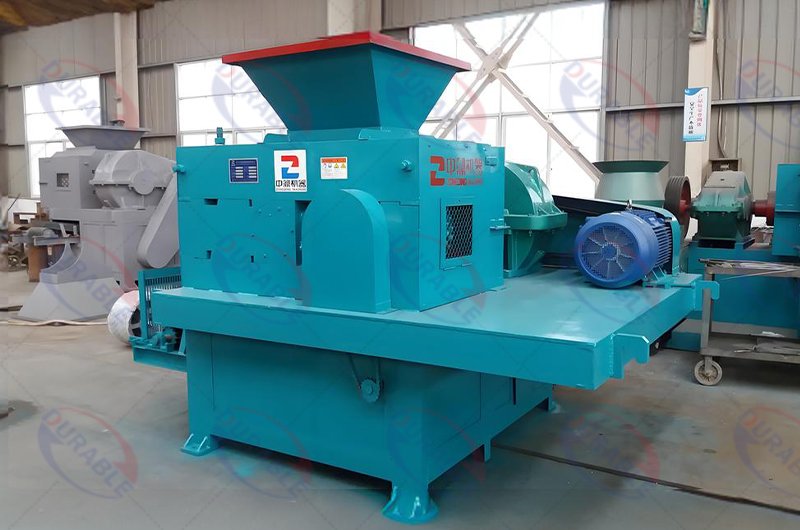
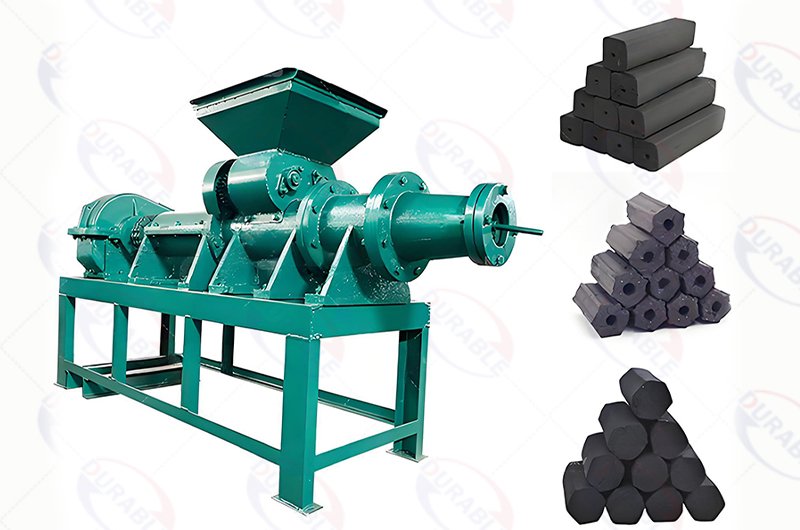
Common briquette shapes include:
- Pillow briquettes
- Ball briquettes
- Hexagonal briquettes
- Honeycomb briquettes
- Shisha charcoal cubes
This machine is the core equipment responsible for forming the final product.
Dryer
Fresh briquettes usually contain excess moisture.
A Biomass Dryer removes this moisture before packaging.
Proper drying improves:
- Product strength
- Burning performance
- Storage life
Without adequate drying, briquettes may crack or become damaged during transportation.
Packaging Equipment
Finally, finished charcoal products are packaged for transportation or retail sale.
Depending on the market, packaging may include:
- Plastic bags
- Woven bags
- Cartons
- Export pallets
Good packaging not only protects the product but also improves its commercial value.
Typical Production Flow
A standard charcoal processing line follows this sequence:
Raw Material → Carbonization → Crushing → Screening → Mixing → Briquetting → Drying → Cooling → Packaging
Because every stage influences the next one, selecting compatible equipment is far more important than purchasing individual machines based only on price.
Many manufacturers eventually upgrade to a complete Charcoal Briquette Production Line because integrated systems improve productivity, reduce labor costs, and ensure more consistent product quality.
How Much Does a Charcoal Processing Plant Cost in 2026?
The total investment depends on the production capacity, equipment configuration, automation level, and the type of charcoal products you plan to manufacture.
The following prices are typical market references for complete production lines in 2026.
| Production Capacity | Suitable Business | Estimated Investment |
|---|---|---|
| 0.5 T/H | Startup Workshop | US$15,000–35,000 |
| 1 T/H | Small Factory | US$30,000–60,000 |
| 2 T/H | Growing Business | US$60,000–120,000 |
| 3 T/H | Commercial Production | US$100,000–180,000 |
| 5 T/H | Export Factory | US$180,000–300,000 |
| 10 T/H+ | Industrial Plant | US$300,000–500,000+ |
These prices usually include the main production equipment but may not include shipping, installation, civil works, or local infrastructure.
For most new investors, 1–3 T/H production lines offer the best balance between investment cost, operating efficiency, and future expansion.
What Factors Affect the Total Investment?
No two charcoal processing plants are exactly the same.
Several factors can significantly influence the final quotation.
Production Capacity
Higher-capacity plants require:
- Larger carbonization furnaces
- More crushing equipment
- Larger dryers
- Additional briquette machines
- Higher-power electrical systems
As production increases, equipment costs and installation costs also increase.
Raw Material Type
Different biomass materials require different processing methods.
For example:
| Raw Material | Processing Difficulty |
|---|---|
| Sawdust | Low |
| Coconut Shell | Medium |
| Bamboo | Medium |
| Wood Logs | High |
| Palm Kernel Shell | Medium |
| Rice Husk | Medium |
Choosing equipment that matches your raw materials improves production efficiency and reduces operating costs.
Finished Product
The target product also affects investment.
For example:
- BBQ charcoal requires consistent density.
- Shisha charcoal requires higher compression and lower ash content.
- Industrial charcoal focuses on calorific value and production efficiency.
Higher-value products often require more advanced mixing, drying, and quality control equipment.
Automation Level
Automation is another major cost factor.
Manual production lines require more labor but lower initial investment.
Automatic production lines generally offer:
- Higher productivity
- Lower labor costs
- Better product consistency
- Easier production management
Although automation increases the purchase price, it often reduces long-term operating costs.
What Additional Costs Should You Budget For?
Many buyers underestimate the total investment required to build a charcoal factory.
Besides equipment, you should also consider:
- Ocean freight
- Inland transportation
- Installation
- Factory construction
- Power supply
- Raw material storage
- Finished product warehouse
- Staff training
- Initial spare parts
- Working capital
A practical investment breakdown is shown below.
| Investment Item | Typical Percentage |
|---|---|
| Equipment | 55–70% |
| Shipping & Installation | 10–15% |
| Buildings & Infrastructure | 10–20% |
| Working Capital | 10–15% |
Planning these costs in advance helps avoid delays after the equipment arrives.
Is a Charcoal Processing Plant Profitable?
In many countries, charcoal processing remains a highly attractive business.
Demand continues to increase because charcoal products are widely used in:
- Restaurants
- Hotels
- Supermarkets
- BBQ distributors
- Shisha lounges
- Industrial heating
Meanwhile, biomass waste is usually inexpensive and readily available.
This combination creates strong profit potential for manufacturers.
Typical Revenue Advantages
Compared with selling raw biomass, processing finished charcoal products can provide:
- Higher selling prices
- Greater product value
- More export opportunities
- Better customer retention
Real Customer Example
A customer in Kenya originally sold raw coconut shells to local traders.
After installing a 2 T/H charcoal processing line, the company began producing BBQ charcoal briquettes for export.
Within two years:
- Production capacity increased significantly.
- Labor efficiency improved.
- Export sales expanded into the Middle East.
- Profit margins increased because value-added products replaced raw material sales.
The investment was recovered in approximately 28 months.
Industry Insight
The highest profits usually come from selling finished charcoal products instead of raw charcoal powder.
Common Buying Mistakes
Many investors purchase equipment before completing a production plan.
This often results in unnecessary costs.
Before making a decision, avoid these common mistakes.
Buying Based Only on Price
Low-cost equipment may increase maintenance expenses and reduce production efficiency.
Choosing Capacity That Is Too Large
Oversized equipment creates unnecessary investment and higher operating costs.
Choose a production line that matches your expected sales during the next three to five years.
Ignoring Raw Material Characteristics
Every biomass material behaves differently.
Equipment should always match the available raw material.
Overlooking Drying Capacity
Drying bottlenecks often limit the output of the entire production line.
A balanced equipment configuration is more important than simply purchasing a larger briquette machine.
Ignoring Future Expansion
Many successful factories double production within several years.
Choosing modular equipment makes future expansion much easier.
Buyer Checklist Before Requesting a Quotation
Preparing the following information helps manufacturers recommend the right production line.
✔ What raw materials will you process?
✔ What finished charcoal products will you produce?
✔ What production capacity do you need?
✔ Is electricity available at your factory?
✔ What is your investment budget?
✔ Which country will the plant be installed in?
✔ Will you supply the local market or export internationally?
Providing these details usually results in a more accurate quotation and equipment recommendation.
Industry Expert Conclusion
A charcoal processing plant is not simply a collection of machines.
It is a complete production system where every piece of equipment influences product quality, production efficiency, and operating costs.
For most businesses entering the charcoal industry, 1–3 T/H production lines provide the strongest balance between investment, flexibility, and profitability.
Instead of focusing only on equipment price, successful investors evaluate:
- Raw material availability
- Target products
- Production capacity
- Automation requirements
- Long-term business goals
Frequently Asked Questions
How much does a charcoal processing plant cost in 2026?
Most complete charcoal processing plants cost between US$15,000 and US$500,000+, depending on production capacity, equipment configuration, and automation level.
What equipment is included in a charcoal processing plant?
A typical production line includes a carbonization furnace, charcoal crusher, screening machine, mixer, briquette machine, dryer, cooling equipment, and packaging system.
Which production capacity is best for beginners?
For most new investors, 1–3 T/H production lines offer the best combination of investment cost, production efficiency, and expansion potential.
Can I expand the production line later?
Yes. Most modern production lines are modular and can be upgraded by adding additional carbonization furnaces, briquette machines, or drying equipment.
How long does it take to recover the investment?
Many charcoal processing plants recover their investment within 18–36 months, depending on local market demand, raw material costs, and production efficiency.
Related Biomass Production Solutions
If you plan to build a complete biomass processing project, you may also find these solutions helpful:
- Charcoal Briquette Production Line
- Biomass Carbonization Furnace
- Charcoal Briquette Machine
- Charcoal Crusher
- Charcoal Powder Screening Machine
- Batch Carbonization Furnace
- Horizontal Carbonization Furnace
These machines can be combined into a customized production line based on your raw materials, production capacity, and investment budget.
About DURABLE
DURABLE designs and manufactures complete biomass processing solutions for customers around the world.
Our product portfolio includes:
- Biomass Carbonization Furnaces
- Charcoal Briquette Machines
- Charcoal Crushers
- Charcoal Powder Screening Machines
- Biomass Dryers
- Complete Charcoal Processing Plants
From project planning and equipment selection to installation and after-sales support, our engineering team helps customers build efficient, reliable, and profitable charcoal production facilities.
Whether you are starting a small charcoal briquette factory or developing a large industrial biomass project, DURABLE can provide a customized solution based on your production goals and investment plan.
Contact DURABLE today to receive a customized charcoal processing plant proposal and quotation.