 Durable Machinery
Get Price
How to Choose the Right Charcoal Making Machine Based on Your Raw Materials
Choosing a charcoal making machine is not simply about comparing prices or production capacities. The type of biomass you plan to process has a much greater impact on machine selection, charcoal quality, production efficiency, and operating costs.
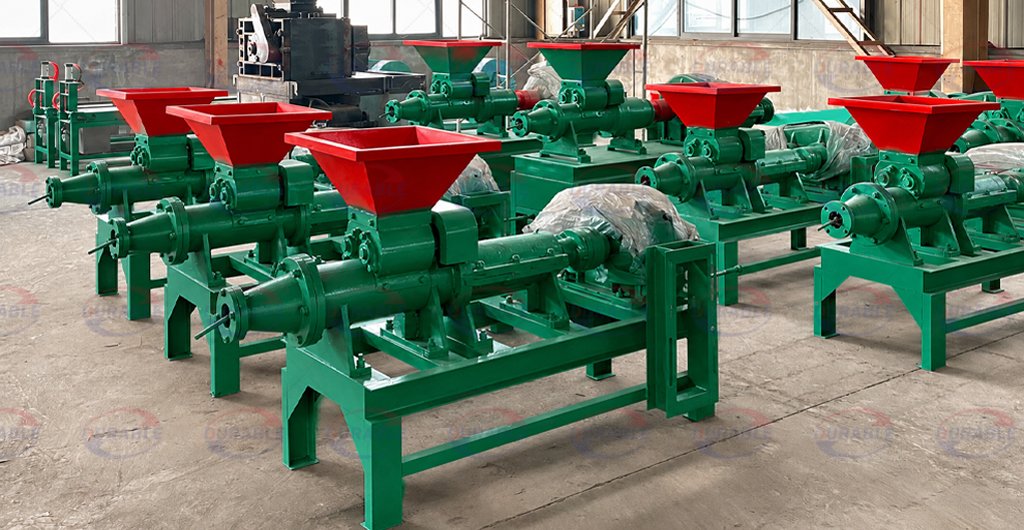
Many first-time buyers assume one machine can efficiently process every biomass material. However, coconut shells, wood logs, bamboo, rice husks, and sawdust all behave differently during carbonization. A machine that performs well with hardwood may not produce the same results with loose agricultural waste.
For this reason, experienced manufacturers usually start with the raw material rather than the equipment itself. Once the material characteristics are clear, it becomes much easier to choose the right machine and avoid unnecessary investment.
Whether you are building a new biomass business or expanding an existing factory, this guide will help you match the right charcoal making machine to your raw materials and production goals.
Why Your Raw Material Should Determine Your Machine Choice
Raw materials are the foundation of every charcoal production project.
Although modern charcoal making machines can process many types of biomass, each material has unique physical and chemical properties. These differences directly influence carbonization efficiency, charcoal yield, fuel consumption, and production costs.
For example:
- Coconut shells are dense and produce high-quality charcoal with excellent calorific value.
- Sawdust carbonizes quickly but usually requires careful moisture control.
- Rice husks contain relatively high ash content and need different operating conditions.
- Hardwood logs require longer carbonization cycles than bamboo or agricultural waste.
As a result, selecting equipment without considering your raw material often leads to lower production efficiency and inconsistent charcoal quality.
Many manufacturers eventually expand into a complete Charcoal Processing Plant. Even so, the charcoal making machine remains the most important piece of equipment because it determines the quality of every downstream process.
Which Biomass Materials Can Be Carbonized?
Modern charcoal making machines can process many renewable biomass materials.
The table below compares some of the most common options.
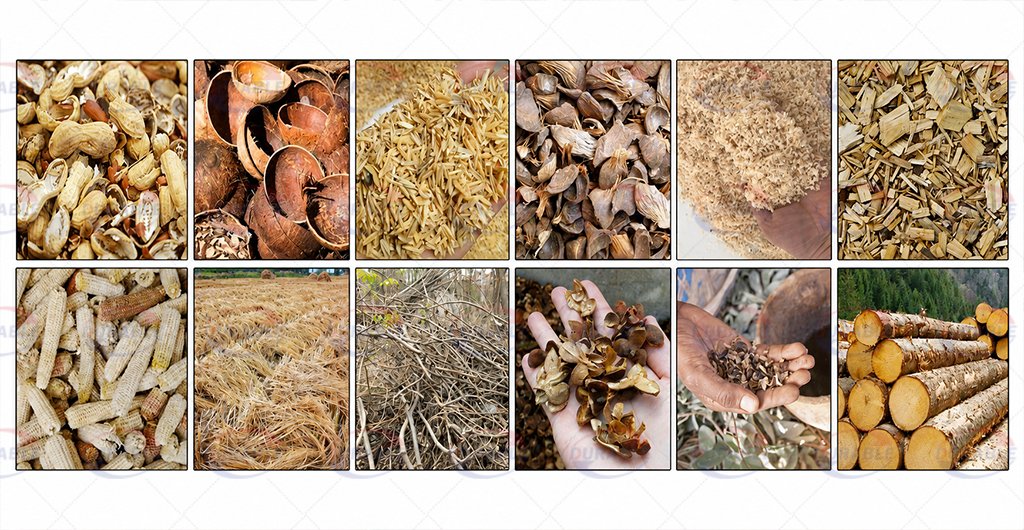
| Raw Material | Charcoal Yield | Carbonization Difficulty | Recommended Application |
|---|---|---|---|
| Coconut Shell | Excellent | Medium | BBQ & Shisha Charcoal |
| Hardwood Logs | High | Medium | Industrial Charcoal |
| Bamboo | High | Low | BBQ Charcoal |
| Sawdust | Medium | Low | Biomass Charcoal |
| Rice Husk | Medium | High | Industrial Fuel |
| Palm Kernel Shell | Excellent | Medium | BBQ Charcoal |
| Corn Cob | Medium | Low | Biomass Fuel |
| Coffee Husk | Medium | Medium | Industrial Applications |
Choosing the right biomass depends on several factors, including local availability, moisture content, transportation costs, and market demand.
For example, coconut shells are widely used in Southeast Asia because they produce premium charcoal with low ash content. In contrast, hardwood remains a popular choice in Africa and South America due to its availability and high carbon yield.
If your project starts with large logs or branches, preparing the raw material is equally important. Many manufacturers use a Disc Wood Chipper before carbonization to improve feeding efficiency and achieve more consistent charcoal quality.
Best Charcoal Making Machine for Different Raw Materials
Instead of asking, “Which charcoal making machine is the best?” a better question is, “Which machine is best for my raw material?”
Different biomass materials require different operating conditions to achieve the best carbonization results.
Coconut Shell
Coconut shells are one of the most valuable materials for charcoal production.
They produce:
- High fixed carbon content
- Long burning time
- Low ash content
- Excellent BBQ and shisha charcoal
A vertical or rotary carbonization furnace is often the preferred solution because it provides stable heating and efficient carbonization.
Hardwood Logs
Hardwood requires longer heating cycles because of its higher density.
The ideal machine should provide:
- Stable temperature control
- Large loading capacity
- Efficient heat utilization
This makes it suitable for commercial charcoal factories producing lump charcoal for industrial or export markets.
Bamboo
Bamboo carbonizes faster than hardwood while still producing high-quality charcoal.
Its rapid growth and widespread availability make it a popular renewable biomass resource.
Many small and medium-sized producers choose bamboo because it offers an excellent balance between raw material cost and charcoal quality.
Sawdust
Sawdust is one of the easiest biomass materials to obtain from wood processing factories.
However, moisture content plays a critical role.
Excess moisture reduces carbonization efficiency and increases energy consumption.
Drying the material to an appropriate moisture level before carbonization usually improves both charcoal yield and operating efficiency.
Other Factors You Should Consider Before Buying
Although raw materials should be your starting point, they are not the only factor that affects machine selection. Before making a final decision, evaluate the following points as well.
Daily Production Capacity
Choose equipment that matches your current production requirements instead of buying the largest machine available.
| Daily Output | Recommended Business Stage |
|---|---|
| Small Capacity | Startup projects and pilot production |
| Medium Capacity | Growing commercial factories |
| Large Capacity | Export-oriented and industrial production |
Buying equipment that is too large often increases operating costs without improving profitability.
Moisture Content
Moisture has a direct impact on carbonization efficiency.
Generally speaking:
- Lower moisture improves charcoal yield.
- Wet biomass requires longer carbonization cycles.
- High moisture increases fuel consumption.
If your raw materials contain excessive moisture, drying them before carbonization usually improves production efficiency and charcoal quality.
Environmental Requirements
Environmental regulations are becoming stricter in many countries.
When selecting a charcoal making machine, consider:
- Smoke treatment
- Heat recovery
- Energy consumption
- Local emission standards
Choosing environmentally friendly equipment today can reduce future upgrade costs and improve your project’s long-term sustainability.
Future Expansion
Many successful producers increase production after their first year of operation.
Instead of replacing the entire system later, choose equipment that can be upgraded or integrated into a larger production line as your business grows.
Common Mistakes Buyers Make
Many first-time investors focus on equipment price while overlooking the factors that have a much greater impact on long-term profitability.
Avoid these common mistakes.
Choosing a Machine Before Understanding Your Raw Material
Different biomass materials require different carbonization conditions.
Selecting equipment before understanding your feedstock often leads to lower charcoal quality and reduced production efficiency.
Buying the Largest Machine Available
Larger machines require higher investment, more operating costs, and greater raw material supply.
Choose equipment based on realistic production targets rather than maximum capacity.
Ignoring Moisture Content
Even the best charcoal making machine cannot produce consistent charcoal if the raw material contains excessive moisture.
Proper raw material preparation often improves production more than upgrading to a larger machine.
Overlooking After-Sales Support
Reliable technical support, spare parts availability, and operator training are just as important as the equipment itself.
A lower purchase price may become expensive if maintenance support is unavailable.
Thinking One Machine Fits Every Material
Although modern charcoal making machines are versatile, no single configuration is ideal for every biomass material.
Understanding your feedstock remains the most important step when selecting equipment.
Expert Recommendations for Different Businesses
Different businesses usually have different priorities.
The following recommendations are based on common customer requirements.
| Business Type | Recommended Choice |
|---|---|
| Startup Investor | Compact charcoal making machine with simple operation |
| Coconut Shell Processor | Equipment optimized for dense biomass materials |
| Wood Processing Factory | Machine suitable for hardwood and wood waste |
| Agricultural Waste Processor | Flexible carbonization system for mixed biomass |
| Export-Oriented Producer | High-efficiency machine with stable charcoal quality |
Real Customer Example
A customer in Indonesia planned to process coconut shells for BBQ charcoal exports.
Instead of selecting the largest available machine, they chose equipment designed specifically for dense shell materials.
As a result:
- Charcoal quality improved.
- Fuel consumption decreased.
- Production became more consistent.
- The business expanded into additional export markets within two years.
This project demonstrates that matching the machine to the raw material often produces better results than simply purchasing higher-capacity equipment.
Industry Expert Conclusion
There is no single charcoal making machine that is perfect for every project.
The best solution depends on the biomass material you process, your production goals, and your long-term business strategy.
Before purchasing equipment, evaluate:
- Raw material type
- Moisture content
- Daily production capacity
- Environmental requirements
- Future expansion plans
- Available technical support
By selecting equipment that matches your actual production conditions, you can improve charcoal quality, reduce operating costs, and achieve a faster return on investment.
Instead of asking “Which charcoal making machine is the best?”, ask “Which charcoal making machine is the best for my raw material?”
That simple change in thinking often leads to a much better investment decision.
Frequently Asked Questions
Can one charcoal making machine process different biomass materials?
Yes. Most modern charcoal making machines can process multiple biomass materials. However, operating parameters such as temperature, carbonization time, and moisture requirements should be adjusted according to each material.
Which raw material produces the highest-quality charcoal?
Coconut shells and dense hardwoods generally produce charcoal with higher fixed carbon content, longer burning time, and lower ash content, making them popular for BBQ and shisha charcoal.
Should raw materials be dried before carbonization?
In many cases, yes. Lower moisture content usually improves carbonization efficiency, reduces energy consumption, and increases charcoal yield.
How do I choose the right production capacity?
Estimate your expected daily raw material supply and sales demand first. Then choose equipment that supports future growth without creating unnecessary operating costs.
Can I upgrade my charcoal making machine later?
Yes. Many manufacturers begin with a smaller machine and expand their production capacity as market demand increases. Selecting equipment with future expansion in mind can reduce long-term investment costs.
About DURABLE
DURABLE designs and manufactures reliable biomass carbonization equipment for customers around the world.
Our engineering team helps customers select the most suitable charcoal making machine based on raw materials, production capacity, investment budget, and local market requirements.
Whether you process coconut shells, bamboo, wood, sawdust, rice husks, or agricultural waste, we can recommend a solution that matches your business goals and supports long-term growth.
Contact DURABLE today to discuss your biomass material and receive a customized charcoal making machine recommendation.