 Durable Machinery
Get Price
How to Build an Automatic Concrete Block Factory?
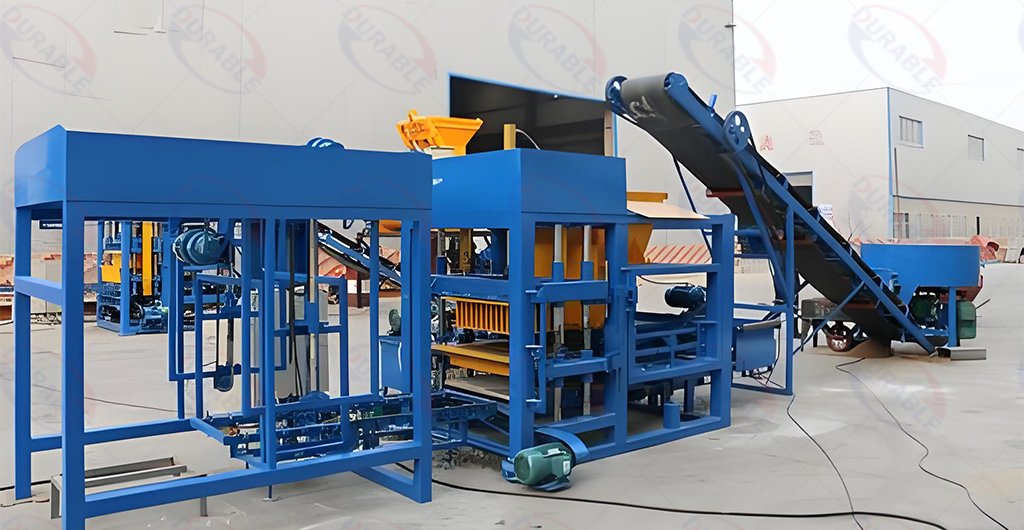
Building an automatic concrete block factory is becoming one of the most attractive construction investments in many developing markets. Rising housing demand, infrastructure expansion, and labor shortages are pushing more investors toward automated block production. Compared with many traditional manufacturing industries, a concrete block factory usually has lower startup complexity and more stable local demand.
But many factories fail because investors focus too much on machine size and not enough on market demand, raw materials, and factory workflow.
Why Are More Investors Building Automatic Block Factories?
The global construction market is creating strong long-term demand for concrete blocks. Rapid urbanization and infrastructure expansion continue increasing the need for affordable building materials.
Concrete block production has several advantages:
- Stable local demand
- Relatively simple manufacturing process
- Flexible factory expansion
- Scalable automation
- Lower labor dependency
Many investors now prefer building an automatic brick making machine production system because automation improves consistency and reduces long-term labor pressure.
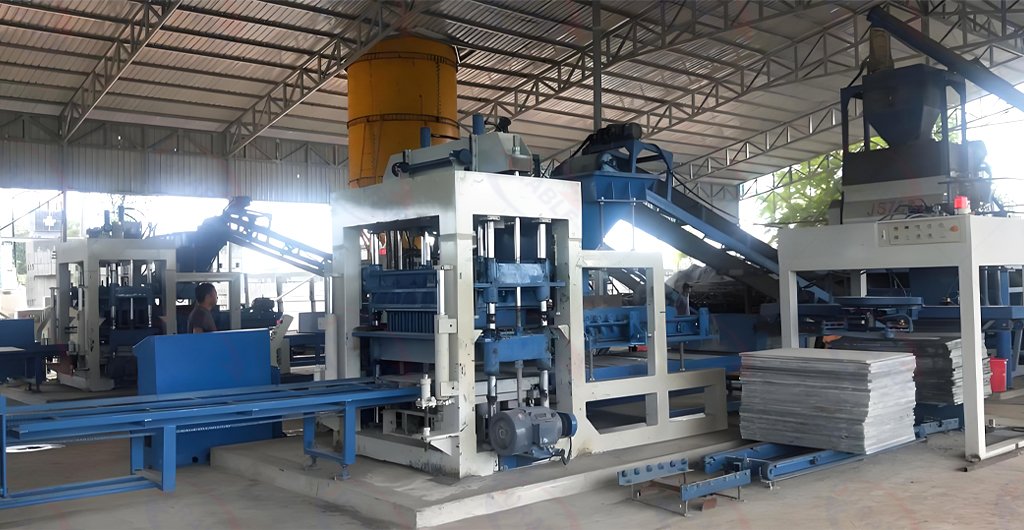
Why Block Manufacturing Still Has Strong Profit Potential
Housing shortages continue growing in many regions, especially in:
- Africa
- Southeast Asia
- South Asia
- Middle East
Governments and contractors increasingly prefer concrete block systems because they support:
- Faster construction
- Standardized production
- Local manufacturing
- Easier project scaling
Practical Investment Suggestions
- Study local housing demand first
- Analyze contractor purchasing habits
- Understand transportation costs carefully
- Avoid oversized factory planning in the beginning
Why Starting With the Market Is More Important Than Starting With the Machine
One of the biggest mistakes is choosing equipment before understanding the local market. Many beginners buy large production lines without studying actual demand.
A factory capable of producing 20,000 blocks daily becomes financially dangerous if the local market only absorbs 5,000.
Before choosing factory capacity, experienced investors usually study:
- Local construction activity
- Block sizes commonly used
- Cement prices
- Transportation distance
- Competitor pricing
- Contractor preferences
Why Oversized Factories Create Financial Pressure
Large underutilized factories often suffer from:
- Idle labor
- High electricity waste
- Excess pallet storage
- Inventory pressure
- Higher maintenance cost
Many successful factories actually begin with a scalable
block making machine
and upgrade automation later as demand grows.
Useful Factory Planning Advice
- Match production capacity to local demand
- Leave room for future expansion
- Build stable contractor relationships early
- Avoid copying oversized factory models blindly
Why Factory Location Quietly Controls Profitability
Transportation cost is one of the biggest hidden factors in block manufacturing. Concrete blocks are heavy products with relatively low unit value.
Factories located far from construction zones lose competitiveness very quickly.
Experienced investors usually prioritize locations near:
- Growing cities
- Industrial parks
- Infrastructure projects
- Housing development areas
Why Cheap Land Is Not Always a Good Choice
Many beginners choose factory land only because rent is cheaper. But poor logistics often create much larger long-term losses.
Long transportation distances increase:
- Fuel costs
- Delivery delays
- Block damage
- Vehicle maintenance expenses
Some factories now combine local block production with a
mobile concrete batching plant
to support remote construction projects more efficiently.
Practical Location Suggestions
- Choose sites near major roads
- Allow forklift and truck access
- Keep enough space for expansion
- Reduce raw material transport distance
What Equipment Is Needed in an Automatic Concrete Block Factory?
A complete automatic concrete block factory requires several connected systems working together efficiently. The block machine itself is only one part of the production line.
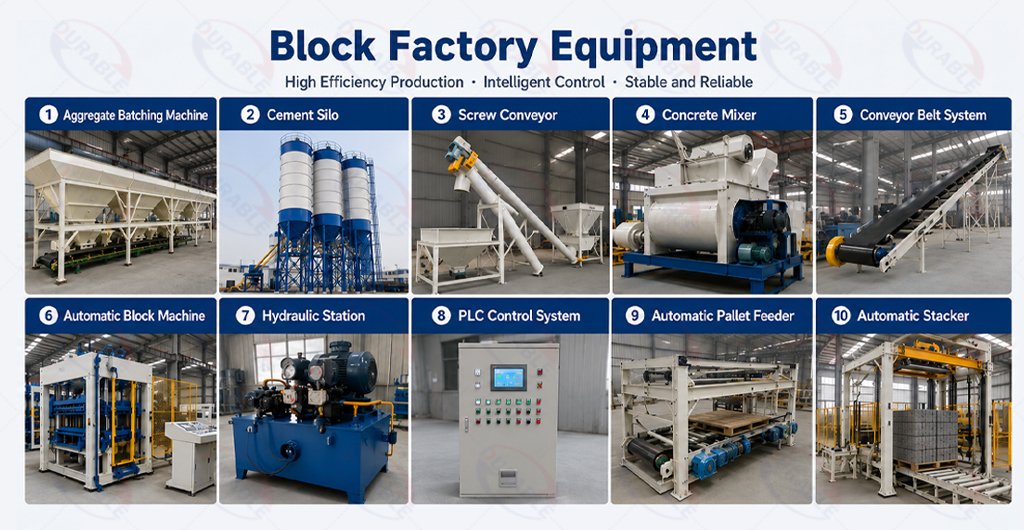
Core equipment usually includes:
- Aggregate batching machine
- Cement silo
- Screw conveyor
- Concrete mixer
- Belt conveyor system
- Automatic block machine
- Hydraulic station
- PLC control system
- Automatic pallet feeder
- Automatic stacker
Additional systems may include:
- Pallet return system
- Cubing system
- Dust collection system
- Steam curing chamber
- Air compressor
- Forklift
Why Workflow Balance Is More Important Than Machine Size
Many suppliers focus heavily on the main machine. But production stability depends on the entire system working together smoothly.
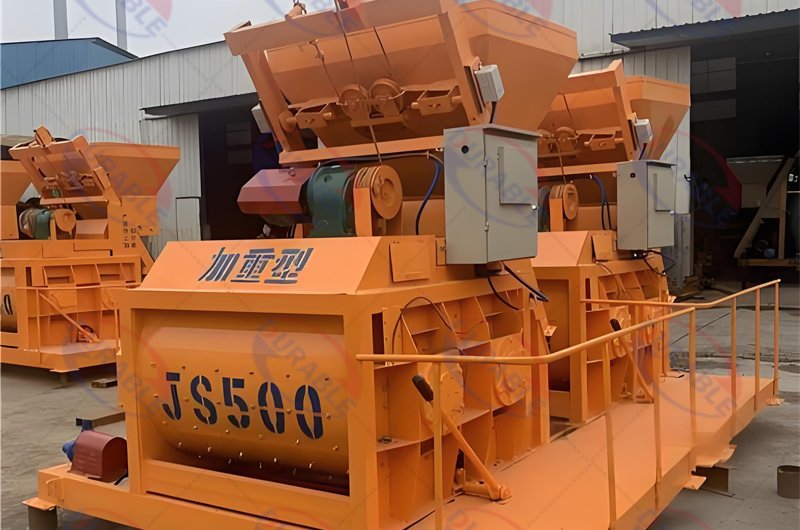
Problems usually appear in:
- Material feeding
- Mixing quality
- Pallet circulation
- Curing flow
- Stacking speed
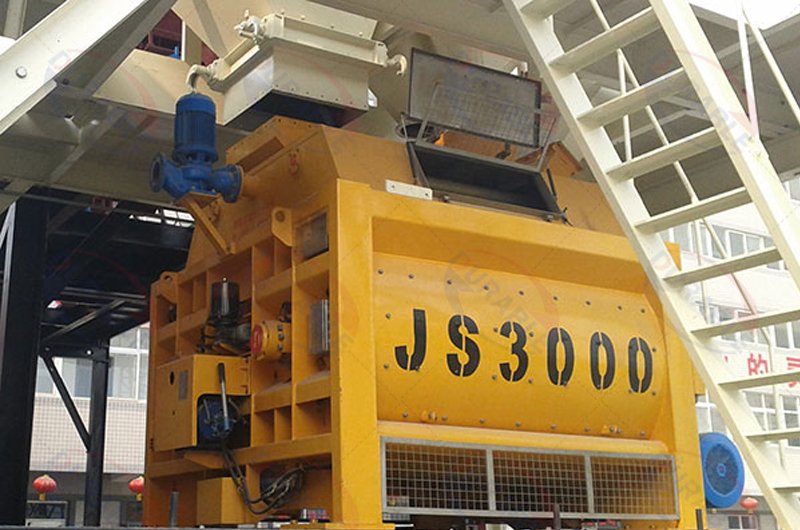
Many modern factories now integrate a twin shaft concrete mixer because stable mixing directly affects block strength and consistency.
| Equipment Section | Main Function | Hidden Risk |
|---|---|---|
| Batching system | Material proportioning | Inconsistent moisture |
| Mixer | Cement distribution | Weak blocks |
| Conveyor | Material transport | Production stoppage |
| Block machine | Block molding | Dimension instability |
| Stacker | Product handling | Fresh block damage |
Useful Production Suggestions
- Focus on workflow efficiency
- Reduce unnecessary material movement
- Keep conveyor paths simple
- Automate handling gradually
Why Raw Material Quality Determines Long-Term Success
Many factories fail because of unstable aggregates, not machine problems. Even expensive automatic systems cannot compensate for poor raw materials.
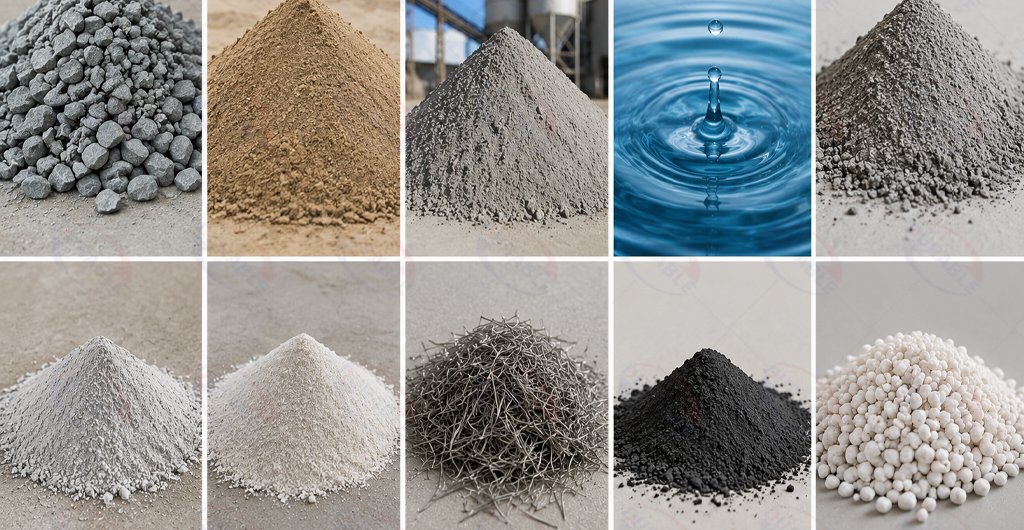
Common material problems include:
- Excessive clay content
- Dirty sand
- Oversized stone
- Inconsistent moisture
- Poor grading
Why Material Control Is So Important
Unstable raw materials create:
- Weak blocks
- Surface cracks
- Color inconsistency
- Poor compaction
- Higher rejection rates
Serious factories often install screening and moisture management systems before mass production begins.
Some factories producing specialized blocks also use a concrete block maker machine with adjustable vibration systems for different aggregate conditions.
Practical Raw Material Advice
- Test aggregate moisture daily
- Store materials separately
- Remove oversized stone
- Control sand cleanliness carefully
Why the Mixer Is One of the Most Important Machines
Poor mixing destroys block quality even when the machine itself is expensive. This is one of the industry’s most misunderstood problems.
Low-quality mixing often creates:
- Uneven cement distribution
- Dry pockets
- Weak block strength
- Inconsistent appearance
Why Drum Mixers Often Fail in Automatic Factories
Many beginners use cheap drum mixers for high-capacity production. But automatic lines usually require more stable mixing systems.
Professional factories often prefer:
- Twin-shaft mixers
- Planetary mixers
- Forced mixers
These systems provide more consistent material distribution.
Useful Mixing Suggestions
- Control mixing time carefully
- Avoid excessive water
- Inspect mixer blades regularly
- Keep moisture consistent
Why Automation Does Not Mean “Unmanned”
Automatic factories still require experienced operators. This is one of the biggest misunderstandings in the industry.
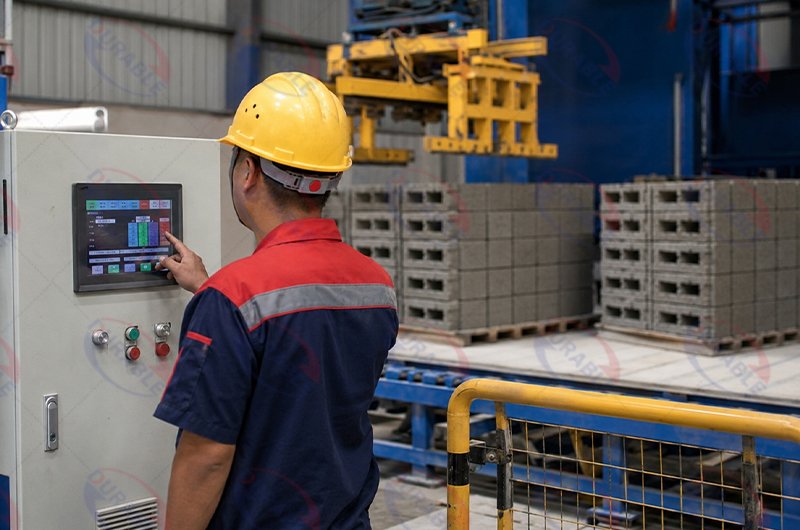
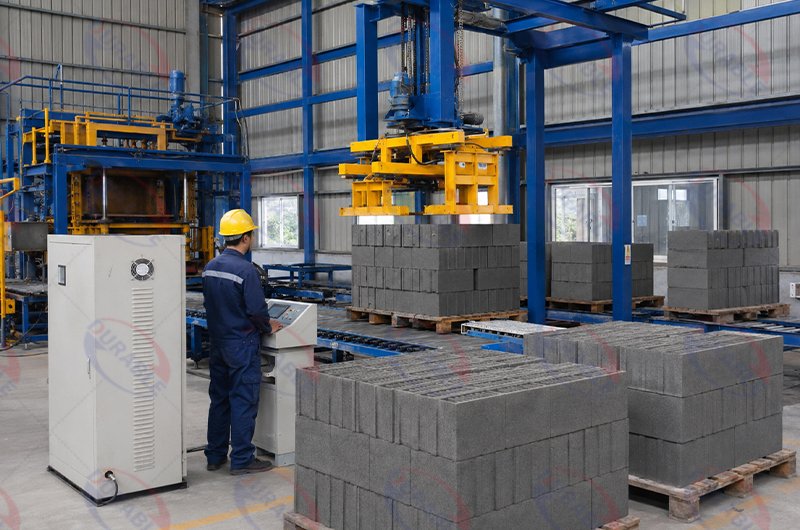
Operators still need to understand:
- Moisture adjustment
- Hydraulic synchronization
- Vibration tuning
- Mold management
- Curing procedures
Why Skilled Operators Matter So Much
Even highly automated systems perform poorly when operators cannot manage:
- Material consistency
- Production timing
- Equipment calibration
- Maintenance schedules
Factories with experienced operators often outperform factories with more expensive equipment.
Practical Management Suggestions
- Train operators continuously
- Create maintenance schedules
- Monitor production consistency daily
- Reduce unnecessary machine adjustments
Why Pallets and Molds Quietly Control Factory Stability
Most new investors underestimate pallets and molds. But these components directly affect block quality and production stability.
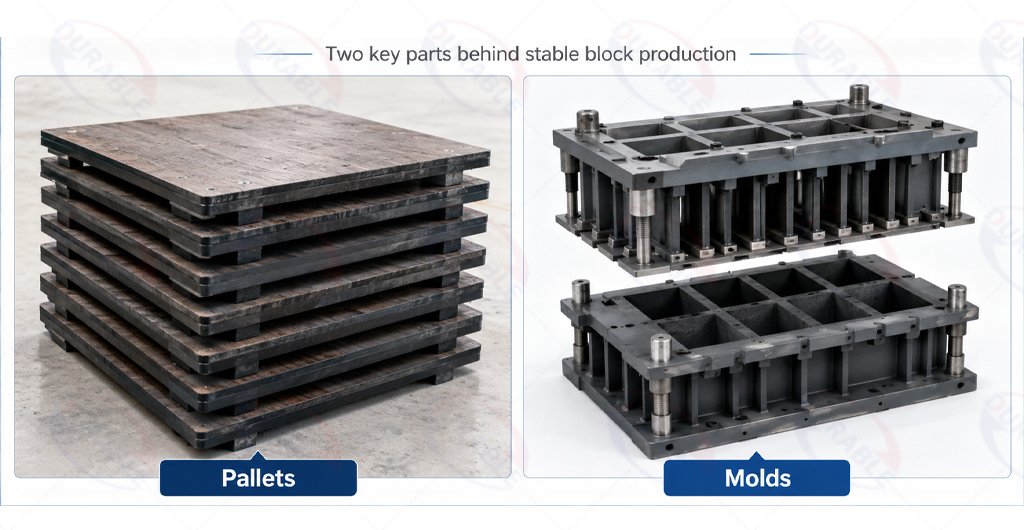
Cheap pallets often create:
- Vibration instability
- Broken blocks
- Uneven dimensions
- Frequent stoppages
Poor molds usually lead to:
- Edge breakage
- Size inconsistency
- Rapid wear
- Customer complaints
Why Mold Precision Matters More Than Machine Appearance
Experienced buyers inspect molds before checking paint color.
High-quality molds improve:
- Block dimensions
- Corner sharpness
- Wall alignment
- Product consistency
Many specialty factories producing decorative products now use a paver block machine with CNC-machined molds for better accuracy.
Practical Maintenance Suggestions
- Inspect molds regularly
- Replace damaged wear plates early
- Monitor pallet deformation
- Keep vibration synchronized
Why Factory Layout Can Make or Break Efficiency
Poor factory layout creates permanent production bottlenecks. This problem is extremely common in new factories.
Typical layout mistakes include:
- Long material transport distances
- Narrow forklift paths
- Poor curing access
- Limited pallet circulation space
Why Efficient Layouts Reduce Long-Term Costs
Good layouts improve:
- Production flow
- Material handling speed
- Labor efficiency
- Equipment accessibility
Poor layouts may reduce actual production efficiency by 20% to 40%.
Useful Layout Planning Advice
- Separate raw material and curing zones
- Allow enough forklift space
- Keep conveyors as direct as possible
- Plan future expansion early
How Long Does ROI Usually Take?
Most profitable automatic concrete block factories recover investment within 1.5 to 4 years. Actual ROI depends heavily on:
- Local demand
- Competition
- Labor cost
- Production efficiency
- Transportation conditions
Why Stable Customers Matter More Than Maximum Capacity
Factories with stable contractor relationships usually outperform factories focused only on high output.
Reliable customers create:
- Predictable cash flow
- Better inventory planning
- Lower financial pressure
- More stable production schedules
Practical ROI Suggestions
- Build contractor relationships early
- Avoid overexpansion
- Focus on consistent product quality
- Control downtime carefully
Frequently Asked Questions
How much land is needed for an automatic block factory?
Factory size depends on production capacity, curing area, raw material storage, and automation level.
How many workers are usually required?
Automatic factories reduce labor demand significantly, but skilled operators and maintenance staff are still necessary.
What raw materials can be used for block production?
Most factories use sand, cement, stone dust, fly ash, gravel, and crushed aggregates.
Is a fully automatic system always better?
Not always. In regions with unstable electricity or limited technical support, moderate automation may perform better.
How important is after-sales support?
Very important. Downtime and spare parts availability often affect profitability more than machine price.
Conclusion and Recommendations
An automatic concrete block factory is not simply a machine investment. It is a long-term local construction supply business.
Successful factories usually focus on:
- Stable production quality
- Reliable delivery
- Strong contractor relationships
- Consistent raw materials
- Efficient layouts
- Disciplined maintenance
The factories achieving the best long-term results are usually not the ones with the most expensive equipment. They are the ones with the most stable operations and realistic market planning.
About Durable
At Durable, we provide complete automatic block production solutions for B2B customers worldwide. Our equipment range includes:
- Automatic block machines
- Concrete mixers
- Batching systems
- Hollow block machines
- Interlocking brick machines
- Mobile batching plants
- Pallet stacking systems
We help investors design stable and scalable concrete block factories based on local raw materials, production goals, labor conditions, and market demand.
If you are planning to build an automatic concrete block factory, our engineering team can help you choose the right production solution for long-term profitability.
Contact Durable today for customized block factory setup recommendations.