 Durable Machinery
Get Price
Why Are Concrete Block Machines in High Demand Worldwide?
The global demand for concrete block machines is growing rapidly. More countries are investing in block production because housing shortages, urbanization, and infrastructure construction continue increasing every year. Concrete block systems offer faster construction, lower building costs, and easier large-scale production compared with many traditional building materials.
For many investors, the concrete block business is no longer only about selling blocks. It is becoming a long-term local construction supply industry with stable demand.
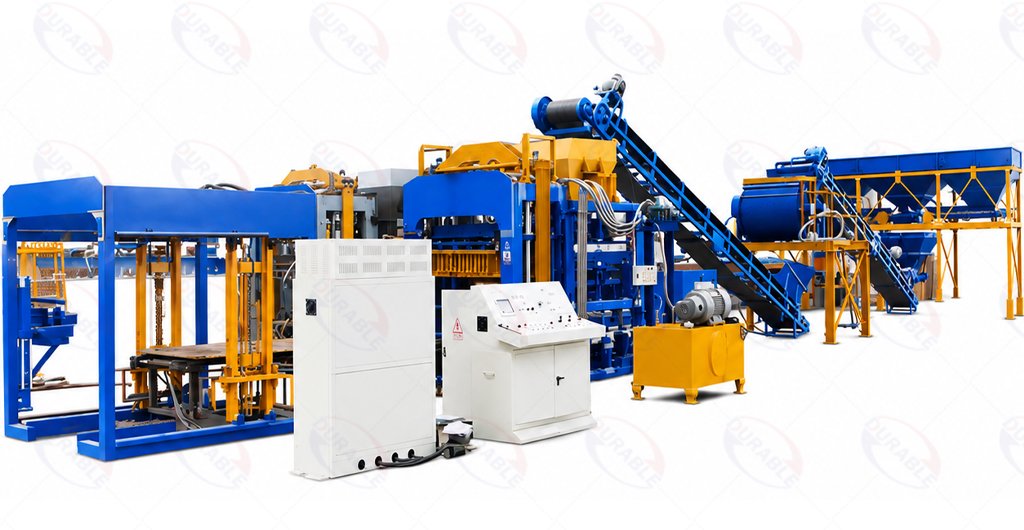
Why Have Concrete Blocks Become a Global Construction Standard?
Concrete blocks became popular because they balance speed, durability, and cost better than many traditional materials. Compared with fired clay bricks, concrete blocks are easier to mass produce and more suitable for modern urban construction.
Today, concrete blocks are widely used for:
- Housing projects
- Schools
- Hospitals
- Commercial buildings
- Infrastructure projects
- Boundary walls
- Roadside construction
Many contractors now prefer using a concrete block machine because local block production reduces transportation costs and improves supply stability.
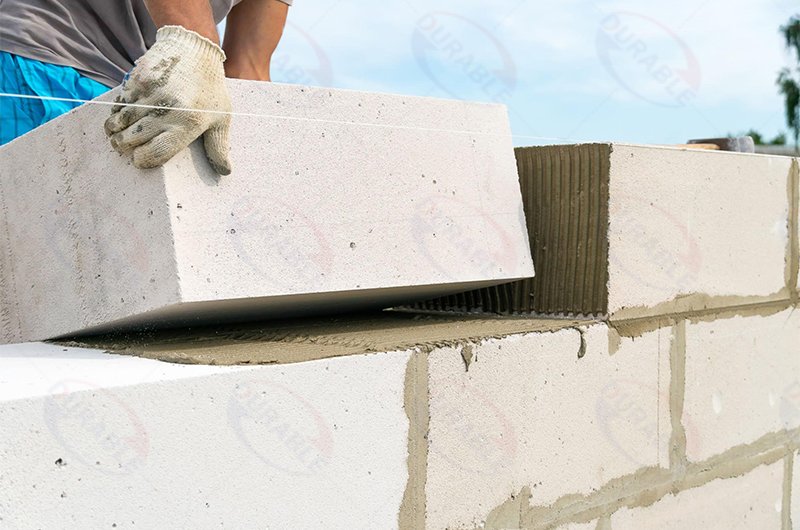
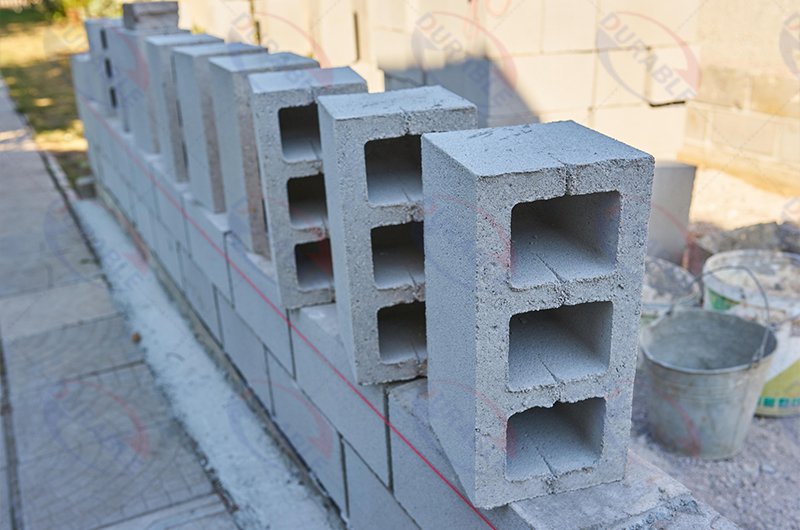
Why Concrete Blocks Support Faster Construction
Concrete blocks allow builders to complete walls much faster because each block covers a larger surface area than traditional bricks. Standardized block sizes also improve production consistency and simplify construction management.
Developers often prefer concrete blocks because shorter construction periods improve overall project cash flow.
Government infrastructure projects benefit from predictable production quality and easier large-scale planning.
Construction contractors usually prefer nearby block factories because local supply reduces delivery delays and transportation risks.
| Building Material | Construction Speed | Production Scalability | Labor Need |
|---|---|---|---|
| Fired clay bricks | Slower | Limited | Higher |
| Concrete blocks | Faster | High | Moderate |
| Interlocking blocks | Very fast | High | Lower |
Practical Construction Suggestions
- Urban housing projects: Faster wall construction improves project scheduling.
- Large infrastructure jobs: Standardized blocks simplify quality management.
- Growing cities: Local factories help stabilize material supply.
Why Is Global Housing Demand Driving Block Machine Growth?
Housing shortages are one of the biggest reasons concrete block machine demand continues rising globally. In many developing countries, urban population growth is happening faster than new housing construction.
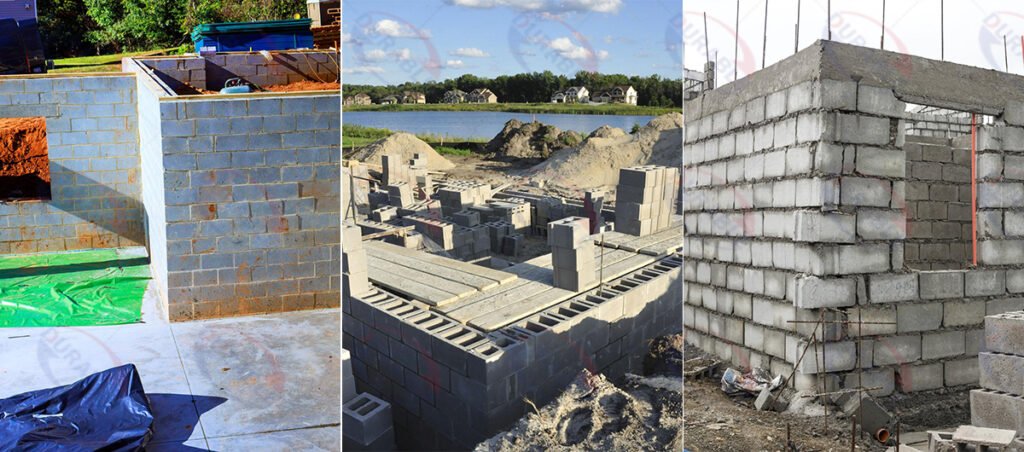
This creates strong demand for:
- Affordable housing
- Local building materials
- Faster construction systems
- Scalable production equipment
Why Concrete Blocks Fit Modern Housing Projects
Concrete blocks provide a strong balance between:
- Production efficiency
- Structural stability
- Construction speed
- Material availability
Because of this, many growing construction markets now invest in concrete block making machine systems to support local housing demand.
Hidden Market Opportunity
Several long-term trends continue pushing the market upward:
- Urban expansion
- Population growth
- Infrastructure development
- Increasing cement supply
- Government housing programs
Many regions now prefer local block production because imported materials create supply uncertainty and higher transportation costs.
Practical Market Suggestions
- Study local housing shortages carefully
- Monitor infrastructure spending
- Focus on stable daily demand
- Avoid oversized production capacity in the beginning
Why Are Governments Investing More in Concrete Block Production?
Governments prefer concrete block systems because they support fast and standardized construction. This is especially important for:
- Public housing
- Schools
- Hospitals
- Disaster recovery projects
- Urban infrastructure
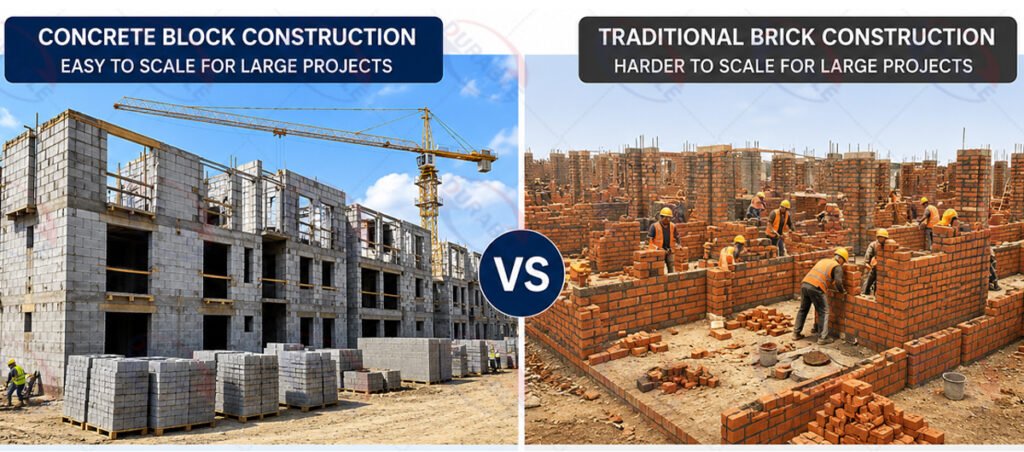
Concrete blocks allow large projects to scale much more easily compared with traditional brick systems.
Why Local Manufacturing Matters
Many governments now encourage local block manufacturing because it helps create:
- Local employment
- Faster project supply
- Lower transportation costs
- More stable material availability
This is one reason why demand for block making machine projects continues increasing.
Environmental Policies Are Also Changing the Industry
Traditional clay brick production often consumes:
- Coal
- Firewood
- Agricultural fuel
Concrete blocks generally require lower energy consumption and reduce environmental pressure in many regions.
Several governments are also tightening environmental regulations on traditional brick kilns, which indirectly supports block machine market growth.
Useful Industry Advice
- Watch government housing plans closely
- Follow environmental policy updates
- Study local infrastructure expansion
- Understand regional construction material shortages
Why Is Africa One of the Fastest-Growing Markets?
Africa is becoming one of the strongest growth regions for concrete block production equipment. Rapid urbanization and infrastructure development are the biggest reasons behind this expansion.
Many African countries continue facing:
- Housing shortages
- Expanding cities
- Growing cement industries
- Road construction projects
- Rural development demand
Why Block Manufacturing Attracts New Investors
Compared with many industries, block production often requires:
- Lower startup investment
- Simpler production systems
- Locally available materials
- Stable construction demand
This is why many entrepreneurs begin with a hollow block machine to supply nearby construction projects.
Which Countries Have Strong Growth Potential?
High-growth markets currently include:
- Nigeria
- Kenya
- Tanzania
- Ethiopia
- Ghana
- Uganda
- Zambia
Strong population growth and infrastructure spending continue supporting these markets.
Practical Expansion Suggestions
- Prioritize easy maintenance
- Build relationships with local contractors
- Understand transportation conditions
- Choose scalable production layouts
Why Do Many Factories Still Prefer Semi-Automatic Block Machines?
Full automation is not always the best investment. In many regions, simpler systems generate better long-term profitability.
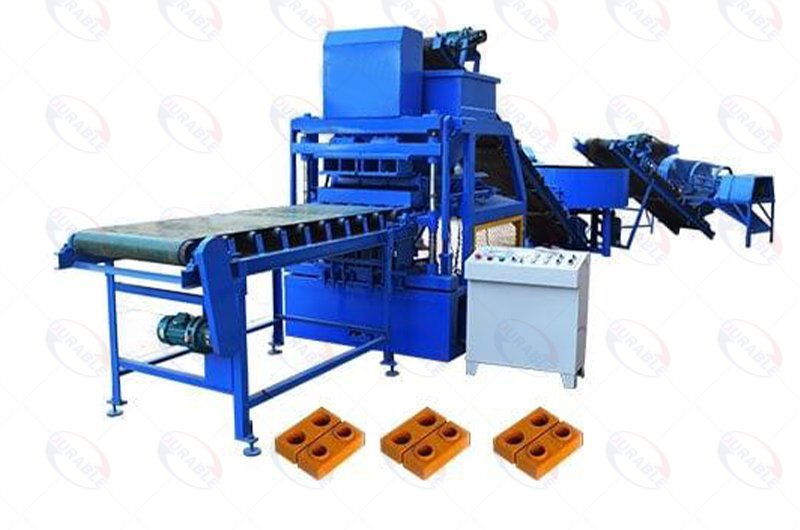
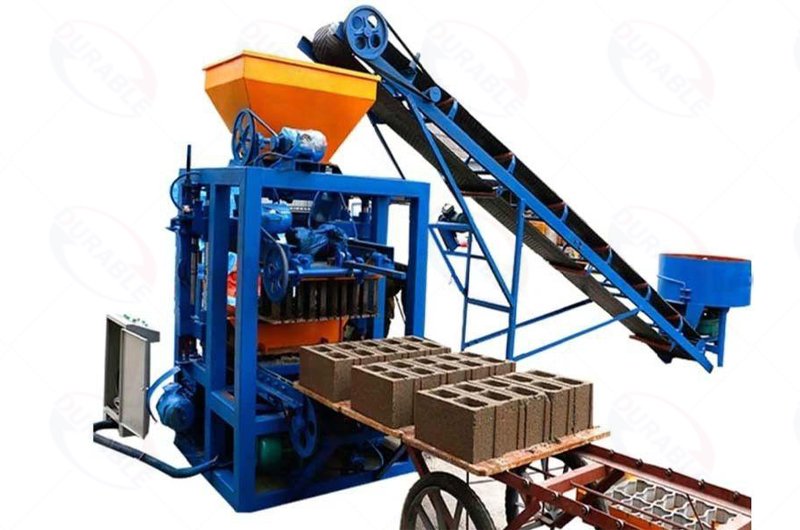
Highly automated production lines may struggle because of:
- Unstable electricity
- Limited technical support
- Expensive spare parts
- Operator training difficulties
Why Semi-Automatic Systems Remain Popular
Semi-automatic systems are usually:
- Easier to maintain
- Faster to repair
- More flexible for small factories
- Less sensitive to voltage fluctuations
Because of this, many medium-size producers choose an automatic brick making machine with moderate automation instead of extremely complex systems.
How Most Factories Upgrade Over Time
Successful factories usually improve production gradually:
- Semi-automatic production
- Automatic stacking
- Automatic pallet feeding
- Full production line automation
Trying to automate everything immediately often creates unnecessary financial pressure.
Practical Investment Advice
- Begin with scalable systems
- Focus on stable production first
- Upgrade handling systems gradually
- Avoid unnecessary automation complexity
Why Are Automation and Labor Costs Reshaping the Industry?
Labor instability is becoming a major challenge for block factories worldwide. Rising wages and worker turnover are pushing more factories toward automation.
Automation helps improve:
- Product consistency
- Production efficiency
- Daily output stability
- Labor management
Why Automation Demand Continues Rising
Automatic systems reduce dependence on:
- Manual stacking
- Repetitive labor
- Worker availability
- Material handling labor
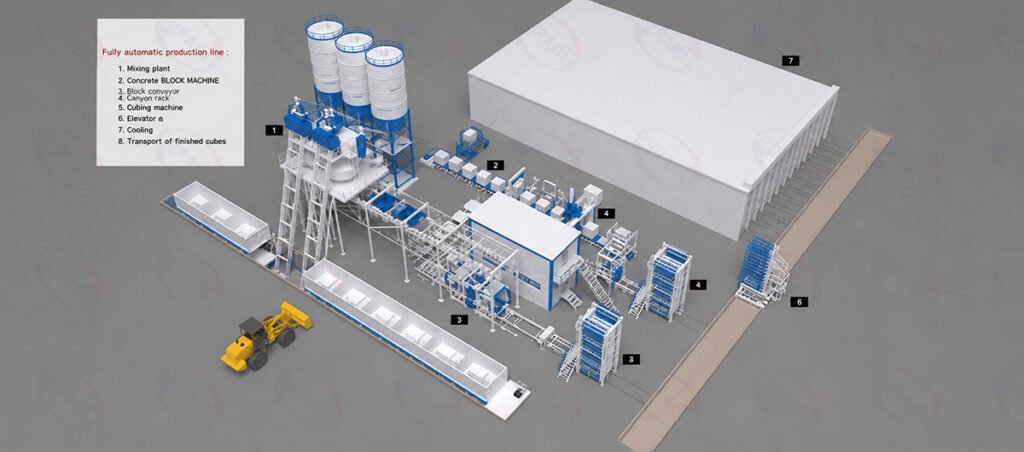
Large factories often invest in a complete concrete block production line to improve long-term operating efficiency.
Hidden Benefits of Automation
Better automation also improves:
- Mold consistency
- Product dimensions
- Production scheduling
- Pallet circulation efficiency
Useful Factory Planning Suggestions
- Improve material flow before full automation
- Upgrade stacking systems early
- Focus on workflow balance
- Train operators carefully
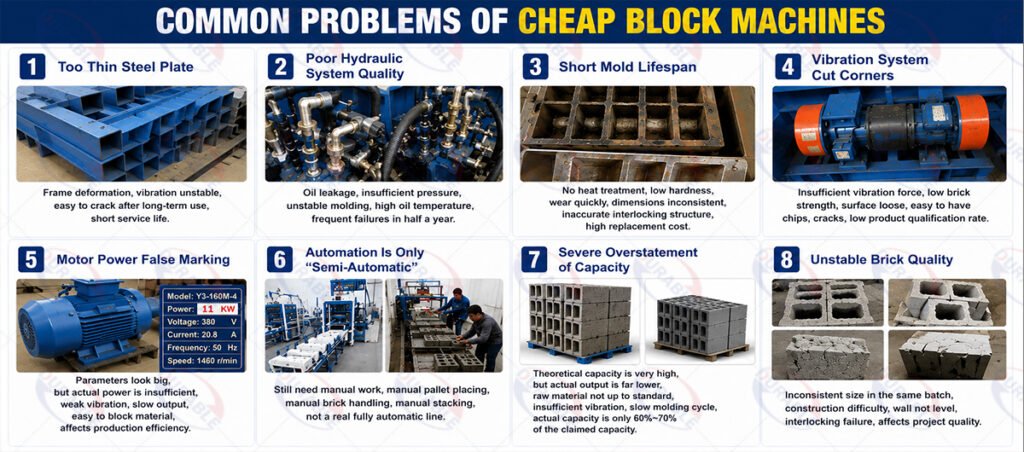
Why Do Cheap Block Machines Often Fail?
Many new investors buy equipment mainly based on price. This creates serious long-term problems.
Low-cost machines often suffer from:
- Weak vibration systems
- Unstable hydraulic pressure
- Poor mold precision
- Inconsistent dimensions
- Excessive downtime
Poor-quality blocks quickly damage contractor trust and local reputation.
Why Mold Quality Matters More Than Machine Appearance
Experienced manufacturers focus heavily on mold quality because molds directly affect:
- Block dimensions
- Edge sharpness
- Product strength
- Stacking stability
Factories producing specialty blocks often use high-precision paver block machines to maintain stable dimensions and appearance.
Why Pallets Become Hidden Profit Killers
Cheap pallets frequently create:
- Vibration instability
- Broken blocks
- Uneven product sizes
- High replacement frequency
Professional factories calculate pallet value based on production lifespan instead of initial purchase price.
Smart Equipment Buying Advice
- Inspect mold precision carefully
- Review hydraulic system stability
- Check vibration synchronization
- Evaluate after-sales service quality
Why Is Local Block Production Becoming More Popular?
Transportation costs are pushing more contractors toward local manufacturing. Concrete blocks are heavy and expensive to move long distances.
This is increasing demand for:
- Mobile block machines
- Compact production lines
- Semi-automatic systems
- Flexible factory layouts
Why Local Production Creates Competitive Advantage
Factories located close to construction projects benefit from:
- Faster delivery
- Lower logistics costs
- Reduced block damage
- Better supply flexibility
Some infrastructure contractors now combine a mobile concrete batching plant with local block production systems for remote projects.
Future Industry Direction
The market is gradually moving toward:
- Localized manufacturing
- Flexible production
- Lower transportation dependence
- Energy-efficient production
- Faster supply chains
Frequently Asked Questions
Why are concrete block machines in high demand globally?
Urbanization, housing shortages, and infrastructure expansion are creating strong long-term demand for local block production.
Which regions currently have the fastest market growth?
Africa, Southeast Asia, and many developing infrastructure markets continue expanding rapidly.
Are semi-automatic block machines still profitable?
Yes. In many regions, semi-automatic systems provide excellent ROI because they are easier to maintain and repair.
Why are molds so important in block production?
Molds directly affect block strength, dimensions, edge quality, and stacking stability.
Can local production reduce transportation costs?
Yes. Producing blocks close to construction sites significantly lowers logistics expenses and delivery delays.
Conclusion and Recommendations
Concrete block machines continue growing worldwide because global construction demand remains extremely strong.
Concrete blocks provide:
- Faster construction
- Lower building costs
- Better scalability
- Easier local production
But long-term factory success depends on much more than simply buying equipment.
Profitable factories usually focus on:
- Stable local demand
- Reliable molds
- Strong pallets
- Efficient workflow
- Contractor relationships
- Scalable production planning
The factories achieving the best long-term results are usually the ones closest to real market demand instead of the ones with the largest machines.
About Durable
At Durable, we provide complete block production solutions for B2B customers worldwide. Our equipment range includes:
- Concrete block machines
- Hollow block machines
- Interlocking brick machines
- Automatic block production lines
- Mobile batching plants
- Hydraulic brick machines
We help investors build stable and scalable factories based on local raw materials, labor conditions, project size, and market demand.
If you are planning a concrete block production project, our engineering team can help you choose the right solution for long-term profitability.
Contact Durable today for customized block production equipment recommendations.