 Durable Machinery
Get Price
Why Are Interlocking Bricks So Popular in Africa?
Interlocking bricks are becoming one of the fastest-growing building materials in Africa. Many contractors, governments, NGOs, and housing developers now prefer interlocking systems because they reduce labor costs, lower cement consumption, and speed up construction. Compared with traditional clay bricks and ordinary concrete blocks, interlocking systems are easier to use in rural and developing regions where skilled labor and transportation infrastructure are limited.
What Are Interlocking Bricks?
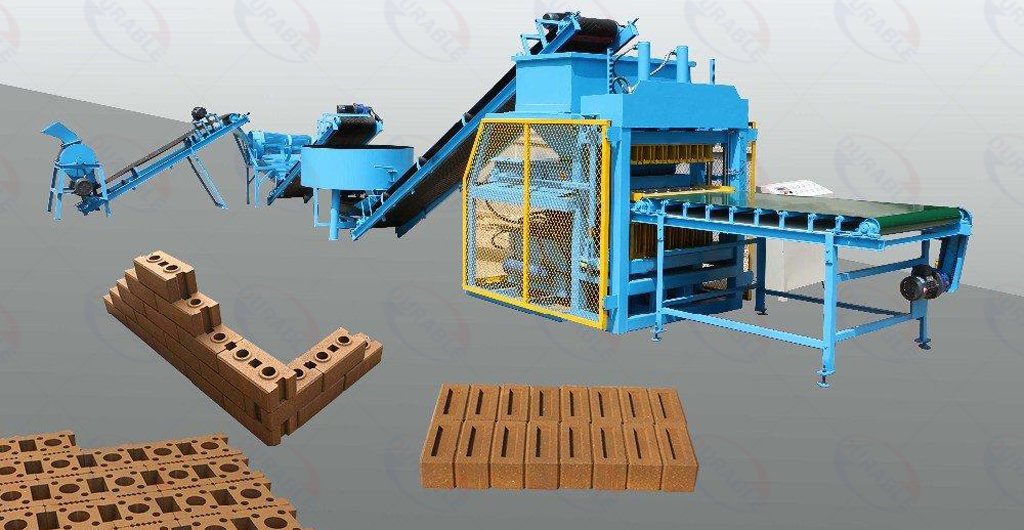
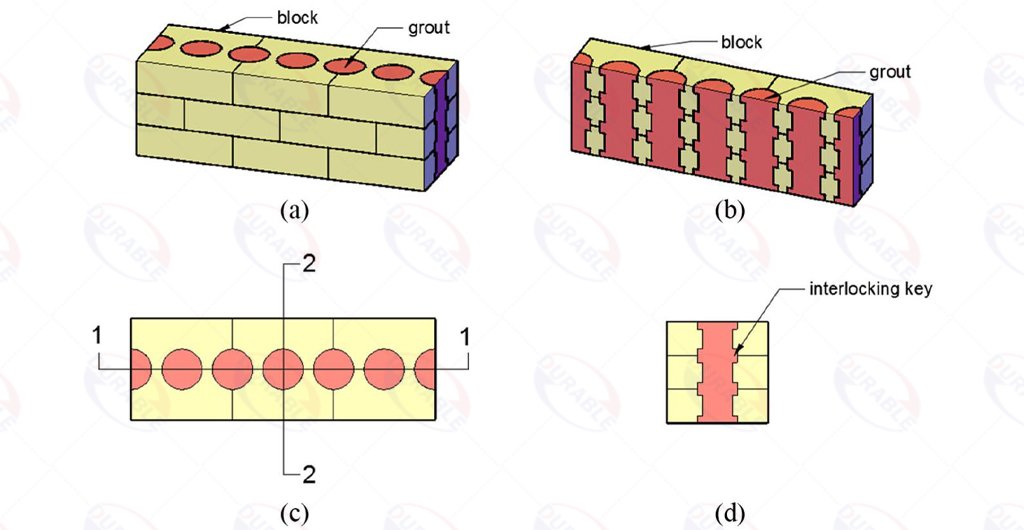
Interlocking bricks are specially designed blocks that connect together without requiring large amounts of mortar. The locking structure helps builders align walls faster and more accurately. This reduces dependence on highly skilled masonry workers.
Many African housing projects now use interlocking systems for:
- Affordable housing
- Rural schools
- NGO housing programs
- Government construction projects
- Small commercial buildings
Compared with traditional bricks, interlocking systems simplify construction while reducing material waste.
Why Interlocking Systems Are Different From Traditional Blocks
Traditional construction usually requires experienced workers to manage:
- Mortar thickness
- Wall alignment
- Surface correction
- Vertical accuracy
Interlocking systems reduce many of these requirements. This is why many contractors now invest in an
interlocking brick machine
instead of traditional block equipment.
In many African markets, labor shortages are becoming a bigger problem every year. Interlocking construction helps reduce dependence on highly trained workers.
| Construction Type | Labor Requirement | Cement Usage | Construction Speed |
|---|---|---|---|
| Traditional red bricks | High | High | Slower |
| Concrete blocks | Medium | Medium | Moderate |
| Interlocking bricks | Lower | Lower | Faster |
Useful Construction Suggestions
- For rural housing: Interlocking systems simplify worker training.
- For NGOs: Faster construction improves project delivery speed.
- For government housing: Lower labor demand reduces overall project cost.
Why Is Africa Adopting Interlocking Bricks So Quickly?
The growth is not only about lower building costs. Urban expansion, labor shortages, rising cement prices, and transportation problems are all pushing the market toward interlocking technology.
Many African countries face:
- Housing shortages
- Rapid urban population growth
- Expensive skilled labor
- High transportation costs
- Limited infrastructure
Interlocking systems help solve several of these challenges at the same time.
Why Labor Efficiency Matters More Than Before
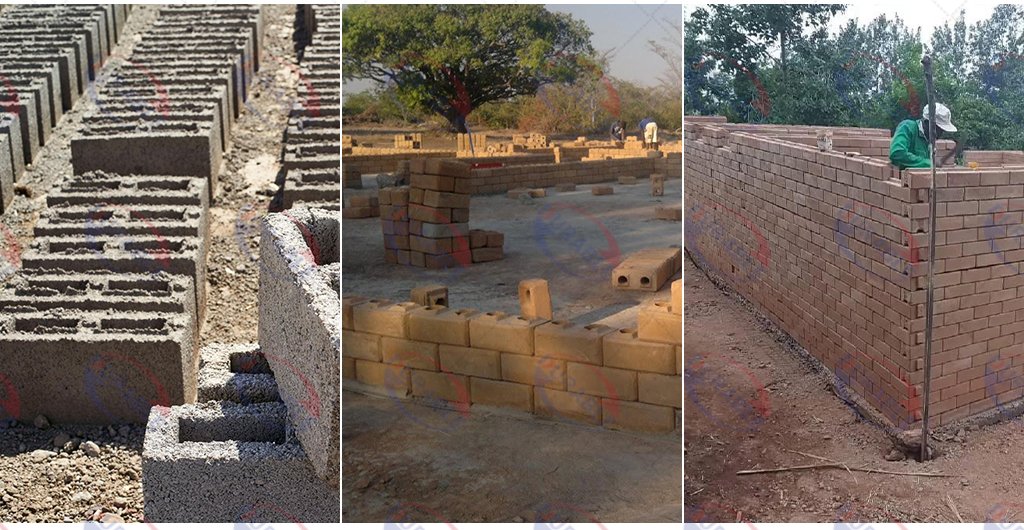
In many African countries, experienced masonry workers are becoming more expensive and difficult to find. Traditional brick laying requires skilled labor for:
- Wall straightness
- Mortar consistency
- Surface correction
- Alignment accuracy
Interlocking systems reduce these problems significantly.
This is why many developers now choose a
hydraulic brick making machine
that can produce stable and accurate interlocking bricks consistently.
Why Governments Support Interlocking Projects
Governments increasingly support interlocking technology because it helps reduce:
- Cement consumption
- Construction costs
- Environmental damage
- Construction time
Traditional fired clay bricks often create:
- Deforestation
- Soil destruction
- High fuel consumption
Interlocking bricks provide a more sustainable solution for many regions.
Practical Market Advice
- For fast-growing cities: Interlocking systems improve housing delivery speed.
- For rural areas: Reduced cement demand lowers transportation costs.
- For public projects: Faster construction improves infrastructure development.
Why Do Interlocking Bricks Reduce Construction Costs?
The financial savings are larger than most buyers expect. Many suppliers only talk about reduced mortar usage. But the real savings come from several different areas together.
Projects can often reduce:
- Cement consumption
- Water usage
- Transportation costs
- Labor costs
- Wall finishing expenses
- Construction time
Why Transportation Costs Are a Major Issue in Africa
In some remote African regions, transporting cement costs more than the material itself. Interlocking systems reduce mortar demand significantly, which lowers transportation pressure.
This makes interlocking systems especially attractive for:
- Remote villages
- Infrastructure projects
- NGO housing
- Rural schools
Many contractors also prefer using a
manual brick making machine
for smaller projects where electricity is unstable.
Hidden Long-Term Savings
Interlocking systems also reduce:
- Brick breakage
- Worker training time
- Material waste
- Construction delays
| Cost Area | Traditional Blocks | Interlocking Bricks | Savings Potential |
|---|---|---|---|
| Cement usage | High | Lower | Significant |
| Labor requirement | High | Lower | Major |
| Construction speed | Moderate | Faster | Higher efficiency |
| Transportation | Expensive | Reduced | Lower total cost |
Smart Cost-Control Suggestions
- Use local raw materials whenever possible
- Avoid unnecessary brick designs
- Focus on stable production quality
- Train workers on alignment systems
Many growing factories begin with a scalable
block making machine
and expand automation later.
Why Are Interlocking Bricks Better for Rural African Projects?
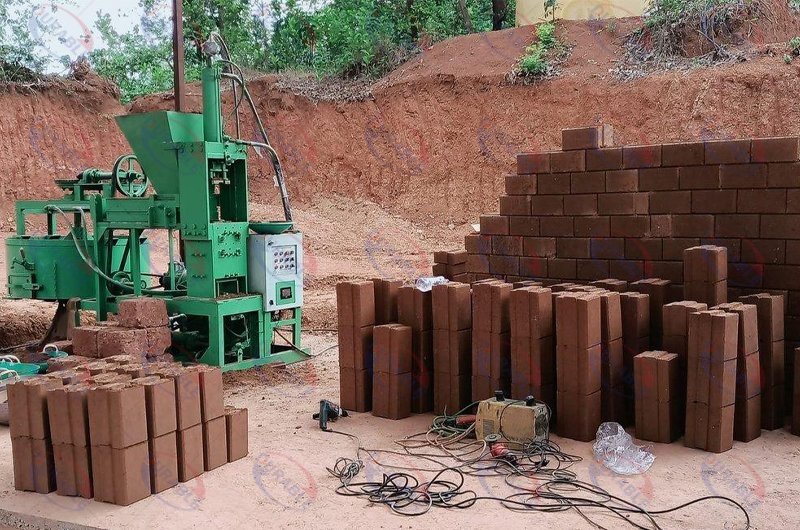
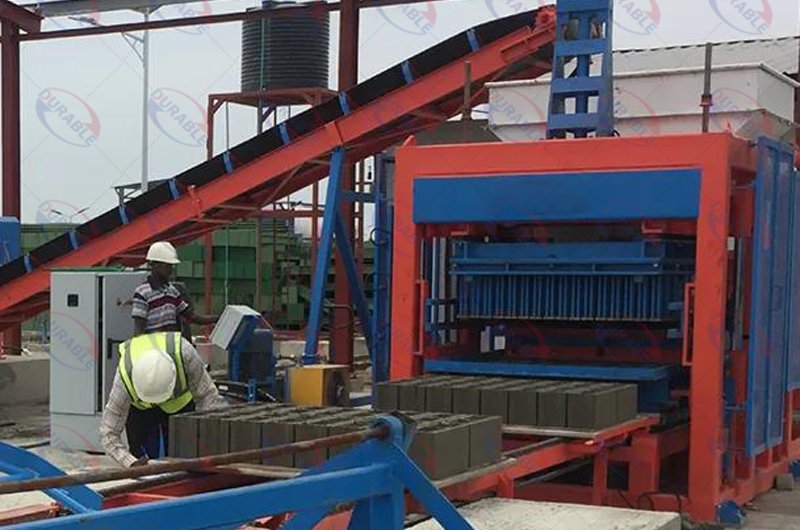
Remote construction conditions completely change project priorities. Many international suppliers do not fully understand this.
Common rural construction problems include:
- Poor road access
- Water shortages
- Unstable electricity
- Limited skilled labor
- Expensive transportation
Interlocking systems work very well under these conditions.
Why NGOs Prefer Interlocking Systems
NGOs and government programs often focus on:
- Easy worker training
- Fast project deployment
- Lower infrastructure needs
- Simpler construction tools
Interlocking systems support these goals effectively.
Many projects now combine local soil materials with a
compressed earth block machine
to reduce transportation costs even further.
Why Mobile Production Is Becoming Popular
Many contractors now transport the machine directly to the construction site instead of moving finished bricks long distances.
This reduces:
- Fuel costs
- Delivery delays
- Brick damage
- Transportation risks
Practical Rural Project Advice
- For unstable electricity regions: Semi-automatic systems are safer.
- For remote villages: Simple maintenance is extremely important.
- For NGO projects: Mobile production improves flexibility.
Which Interlocking Brick Machine Works Best for Africa?
The best machine depends on local conditions, not simply machine size. Many first-time investors make the mistake of buying oversized production systems.
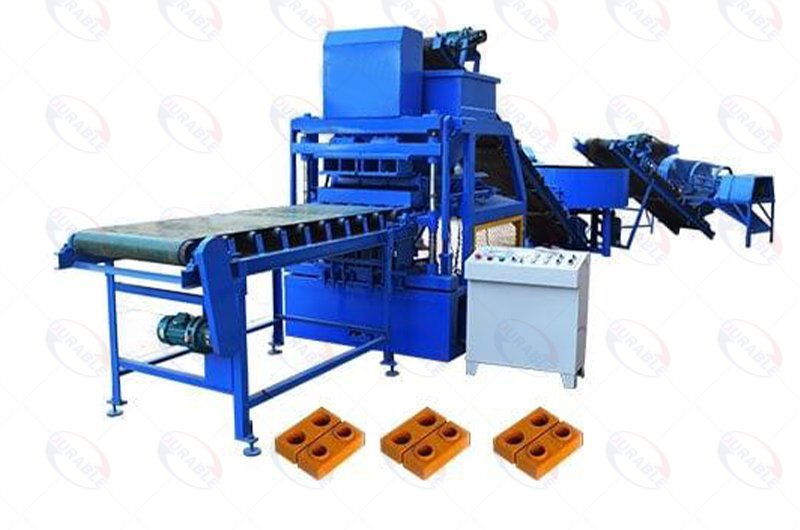
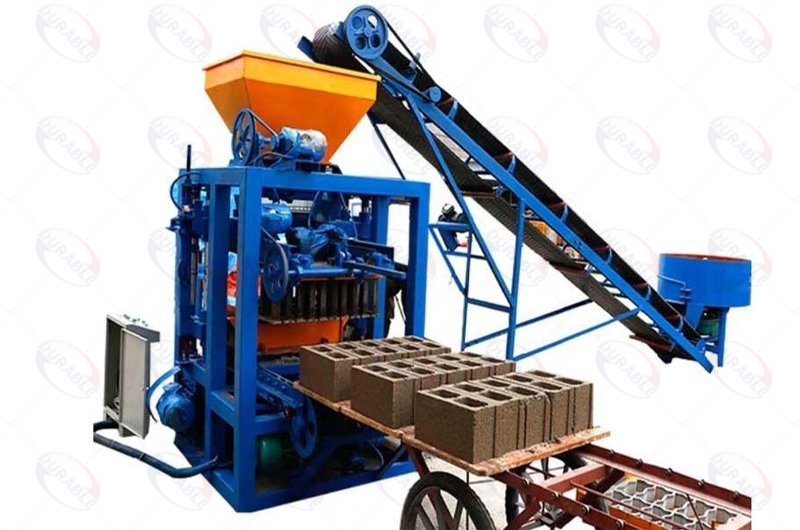
African buyers usually prioritize:
- Reliability
- Easy maintenance
- Stable production
- Affordable spare parts
- Lower operating cost
instead of extremely high automation.
Why Semi-Automatic Systems Often Perform Better
Some fully automatic European systems struggle in African markets because of:
- Unstable power supply
- Spare part delays
- Difficult maintenance
- Limited operator training
In many regions, semi-automatic systems actually create better long-term profitability.
Many medium-size factories prefer an
automatic brick making machine
with moderate automation instead of overly complex production lines.
Manual vs Automatic Brick Machines
| Machine Type | Investment Cost | Labor Need | Production Capacity |
|---|---|---|---|
| Manual machine | Low | Higher | Small projects |
| Semi-automatic | Medium | Moderate | Stable medium production |
| Fully automatic | High | Lower | Large industrial production |
Useful Buying Advice
- For startups: Start with scalable systems.
- For rural markets: Prioritize maintenance simplicity.
- For large housing projects: Focus on production stability.
Why Does Mold Quality Matter So Much?
Interlocking molds experience very high pressure and friction. Poor mold quality quickly creates alignment problems and customer complaints.
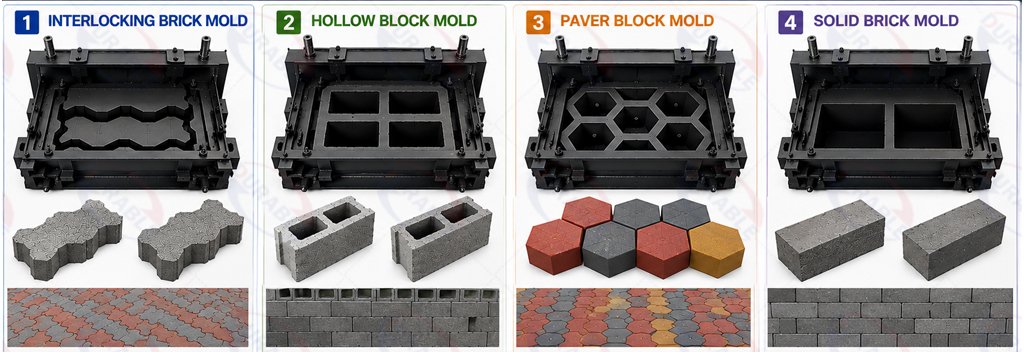
Cheap molds often cause:
- Edge breakage
- Uneven dimensions
- Locking problems
- Poor wall alignment
- High maintenance costs
Why Small Size Errors Create Big Construction Problems
Traditional blocks can sometimes hide small dimension differences with mortar adjustments.
Interlocking systems cannot.
Even 1-2 mm variation may create major wall alignment problems later.
Professional factories using a
soil brick making machine
usually focus heavily on mold precision and material consistency.
What Experienced Manufacturers Focus On
Professional suppliers invest heavily in:
- Heat treatment
- CNC machining
- Replaceable wear plates
- Mold stability
Practical Mold Maintenance Advice
- Inspect molds regularly
- Clean cement buildup frequently
- Replace worn parts early
- Keep vibration synchronized
Why Will Interlocking Brick Demand Continue Growing in Africa?
The growth is supported by several long-term market trends.
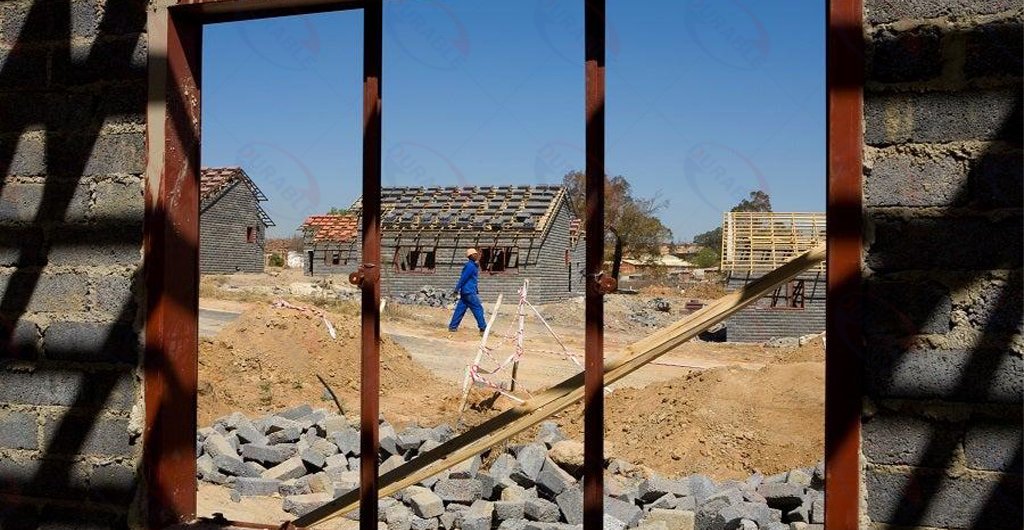
These include:
- Urban population growth
- Housing shortages
- Rising cement prices
- Infrastructure expansion
- Environmental pressure
- Skilled labor shortages
Interlocking technology is becoming increasingly attractive for:
- Affordable housing
- Rural schools
- Government projects
- Disaster relief housing
- Community infrastructure
Why Thermal Performance Is Important
Compressed earth interlocking bricks often provide:
- Better insulation
- Slower heat transfer
- More stable indoor temperatures
This becomes increasingly important as electricity prices rise across urban Africa.
Future Industry Trends
The market is moving toward:
- Mobile production systems
- Semi-automatic equipment
- Eco-friendly construction
- Lower cement usage
- Faster project deployment
Frequently Asked Questions
Are interlocking bricks stronger than traditional blocks?
Yes, when raw materials, moisture, and curing are controlled properly, interlocking bricks can provide excellent strength and durability.
Can interlocking bricks reduce labor costs?
Yes. Many projects reduce masonry labor significantly because less mortar and alignment correction are needed.
Which raw materials can produce interlocking bricks?
Common materials include soil, sand, cement, laterite, fly ash, and crushed aggregates.
Is a fully automatic machine always better?
Not always. Semi-automatic systems often perform better in regions with unstable electricity and limited maintenance support.
Why are interlocking bricks popular in Africa?
They reduce labor costs, lower cement usage, speed up construction, and work well in remote construction environments.
Conclusion and Recommendations
Interlocking bricks are becoming popular across Africa because they solve several construction problems at the same time.
They help reduce:
- Labor requirements
- Cement consumption
- Construction time
- Transportation pressure
At the same time, they improve project flexibility and construction efficiency.
But successful projects depend on much more than simply buying a machine.
Long-term success usually comes from:
- Proper soil selection
- Stable production systems
- Mold precision
- Good curing management
- Simple maintenance
- Real local market understanding
The companies making the highest long-term profits are usually the ones providing complete construction solutions instead of only selling equipment.
About Durable
At Durable, we provide complete interlocking brick production solutions for B2B clients worldwide. Our product range includes:
- Interlocking brick machines
- Hydraulic brick machines
- Manual brick machines
- Automatic block production lines
- Soil brick machines
- Mobile brick production systems
We help customers choose the right solution based on local raw materials, labor conditions, project size, and production goals.
If you are planning an interlocking brick project in Africa, our engineering team can help you build a stable and profitable production solution.
Contact Durable today for customized interlocking brick machine recommendations.