 Durable Machinery
Get Price
Wet Concrete Batching Plant: A Complete Professional Analysis
Many developers and contractors make costly mistakes by viewing a brick as a simple rectangular block. However, true quality goes far deeper, defined by compaction density, dimensional variance, and chemical stability. Decades of machine manufacturing and structural observation reveal a critical truth: the choice between handmade and machine-made is not a debate of tradition versus modernity, but a choice between unpredictable craftsmanship and engineered performance. For any modern project, understanding these technical variables is essential to protecting both the bottom line and site safety.
Handmade vs Machine-Made Bricks: What’s the Difference?
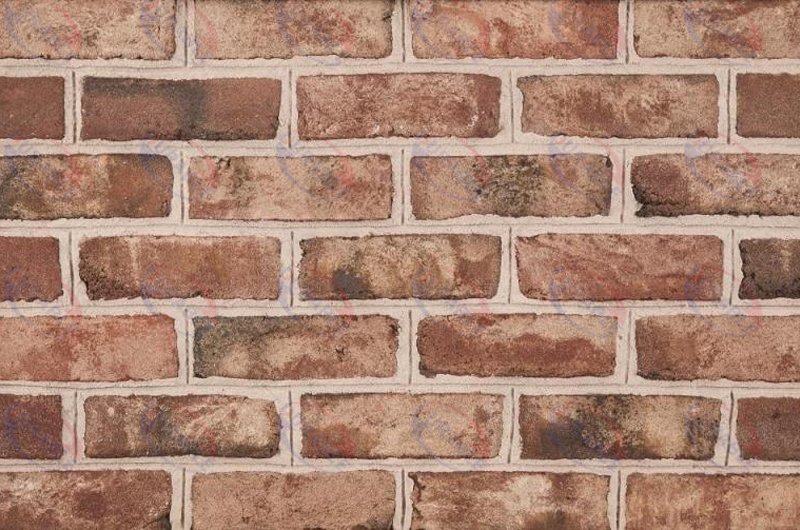
The main difference is how the material is formed and cured. Handmade bricks are shaped by a person. They use a mold and their hands to press the clay. These bricks are then fired in a kiln. This process creates a unique look. No two bricks are exactly the same. They have “character.” But in construction, character often means inconsistency. The size and shape can vary from one brick to the next. This makes the building process slower and less predictable.
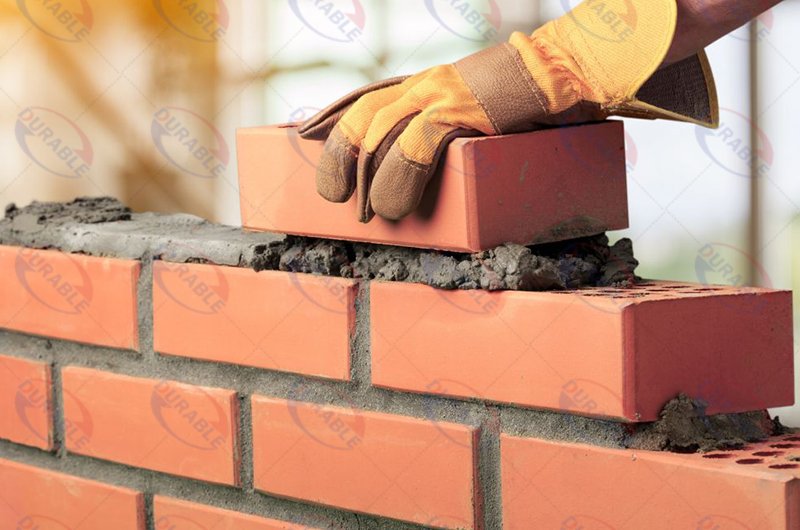
Machine-made bricks use an industrial process. A or a concrete block machine uses high pressure. It uses vibration to pack the material tightly. The molds are made of high-strength steel. This ensures every brick is almost identical. The curing process is also controlled. Some are fired in tunnels, and others are chemically cured without heat. This creates a standardized product. You get a brick that behaves the same way every time. It removes the guesswork from your project.
Which is Stronger: Handmade or Machine-Made Bricks?
I call it the “Density Paradox”: while handmade bricks rely on human consistency, they are inherently unpredictable. Variations in manual pressing and kiln temperatures often create “soft cores” or air pockets, making it impossible for structural engineers to trust their strength.
In contrast, machine-made bricks utilize high-frequency vibration or hydraulic pressure to eliminate air gaps, creating a high-density mass with a predictable MPa (compressive strength). This predictability is a game-changer for engineering; it allows for optimized designs that avoid “over-designing” or unnecessary wall thickness, ultimately saving material while maintaining superior safety standards.
How Does Brick Consistency Lower Construction Costs?
Many overlook the “mortar budget,” but inconsistency in handmade bricks creates a significant financial leak. Because handmade bricks lack squareness, masons are forced to use thicker mortar joints to level the walls, driving up costs for cement, sand, and labor.
In contrast, machine-made bricks are precision-engineered with a tolerance of just 1–2mm. This enables “thin-bed” masonry, where minimal mortar is required to achieve a perfect fit. I have seen projects reduce cement consumption by 20% to 30% simply by switching to machine-made blocks. By eliminating this “hidden tax” of extra materials, you not only speed up construction but also achieve a cleaner, straighter surface that requires far less plastering.
Which Method Is More Cost-Effective for Scaling?
Industrial brick production is the only way to scale a business profitably. If you use handmade methods, your growth is limited by human labor. To double your output, you must double your staff. You also need more space for manual molds. This is not a scalable model. The cost per brick remains high because the process is slow. You cannot guarantee a huge volume of bricks in a short time. This makes it hard to win large government or commercial contracts.
Using an automatic brick making machine changes the math. You invest in the equipment once. Then, you produce thousands of bricks per hour with very few workers. The cost per unit drops significantly as your volume increases. This is the essence of automated brick making ROI. You gain the ability to supply entire housing developments or industrial parks. Your income grows, but your labor costs stay low. You move from being a small workshop to a professional factory.
How Do Labor Costs Differ Between Manual and Automated?
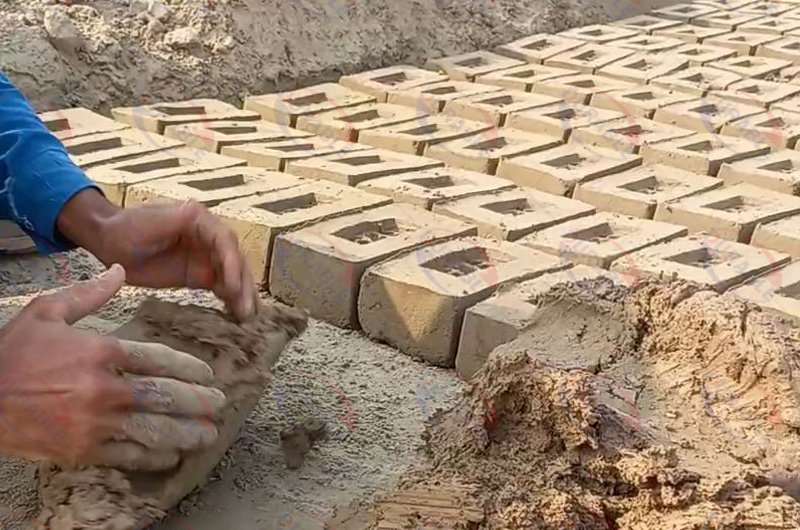
Manual production requires expensive skilled labor, while automation uses semi-skilled operators. Making a good handmade brick is an art. You need masons who know how to handle the clay and manage the kiln. These people are expensive and hard to find. Also, laying handmade bricks is slow. The mason must “play” with the bricks to make the wall straight. This increases the man-hours needed for every square meter of the wall.
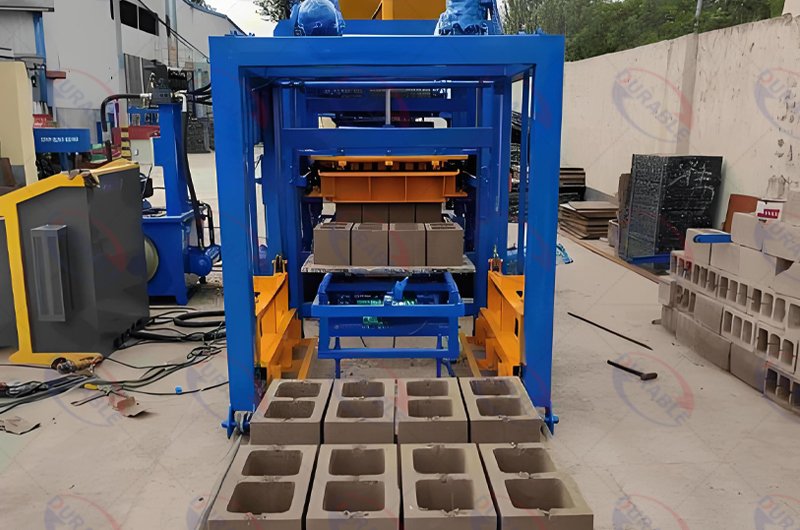
Automated production shifts the labor role. You need a few operators to manage the machine. They do not need to be master craftsmen. They just need to follow the process. Also, if you use an interlocking brick machine, the labor costs drop even more during construction. These bricks self-align. Semi-skilled workers can lay them quickly. I have seen interlocking walls go up 3 to 5 times faster than traditional walls. In construction, time is the most expensive raw material.
Can Machine-Made Bricks Look Like Handmade Ones?
You don’t have to choose between rustic charm and modern strength. Through custom molds and varied mix designs, we can replicate the “distressed” look of heritage bricks while maintaining the high-density strength of machine-made masonry.
For luxury developers, this is the perfect solution: you provide a beautiful, antique aesthetic that attracts high-end clients, while maintaining a wall that meets all safety codes and minimizes insurance risks. It is the ultimate marriage of aesthetics and engineering.
Which Brick Type Offers Better Long-Term Durability?
Machine-made bricks offer superior long-term durability by eliminating the internal flaws common in handmade masonry. Handmade bricks often contain random air pockets that serve as weak points; when water penetrates these voids, freeze-thaw cycles trigger “spalling”—the cracking and flaking of the surface. This inconsistency makes failure unpredictable.
In contrast, machine-made bricks are uniformly compacted to achieve high density, significantly resisting water penetration. By precisely controlling the chemical composition of cement and aggregates, we ensure the bricks withstand prolonged exposure to rain and pollution. For structures designed to last 50 to 100 years, machine-made is the professional standard, drastically reducing the need for costly future repairs.
Do Machine Bricks Better Meet Modern Building Codes?
Machine-made bricks simplify the certification process through unmatched predictability. Because they are produced with consistent mix designs, we provide verifiable MPa ratings and detailed data sheets, allowing structural engineers to sign off with absolute confidence and accelerating the approval process.
In contrast, the inherent variability of handmade bricks poses a significant certification risk. Inconsistent samples can lead to batch failures, often forcing engineers to mandate thicker walls as a compensatory measure—a costly waste of both material and usable space. Machine-made blocks are engineered specifically to meet the rigorous compliance and safety standards demanded by modern regulatory audits.
How Does Production Speed Affect Project Timelines?
Production speed is the difference between finishing a project on time or paying late penalties. If you rely on handmade bricks, you are at the mercy of the kiln. If the weather is bad or the fuel runs out, production stops. This creates a bottleneck. Your masons stand around waiting for bricks. Every day of delay costs you money in labor and rent.
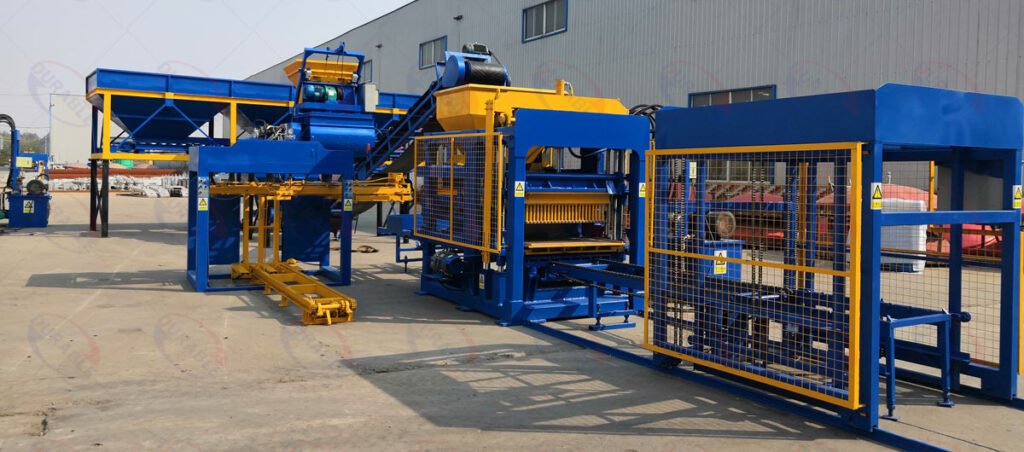
Industrial production removes this risk. A concrete block machine produces a steady stream of product every hour. You can plan your timeline with precision. You know exactly when the bricks will arrive at the site. This allows you to coordinate other trades, like electricians and plumbers, more effectively. Fast production means fast construction. Fast construction means you can hand over the keys to the client sooner and start your next project.
How Do Water Absorption and Porosity Compare?
Handmade bricks are typically more porous, which makes them more vulnerable to dampness. Porosity refers to the tiny holes inside the brick. Handmade bricks have more of these because they are not compacted with high pressure. High porosity means the brick acts like a sponge. It absorbs water from the ground or the air. This leads to damp walls and mold growth inside the building.
Machine-made bricks are engineered for low porosity. The high pressure during molding closes most of the internal gaps. This makes the brick “water-resistant.” Water stays on the surface instead of soaking in. This is critical for the basement or the exterior shell of a building. It protects the interior from moisture. It also keeps the building warmer in winter because dry walls insulate better than wet walls.
How DURABLE Combines Quality with Industrial Speed?
At DURABLE, we don’t just build machines; we engineer performance. Since 1990, we have prioritized the science of compaction, recognizing that speed is meaningless without uncompromising quality. By integrating high-wear-resistant steel molds with Siemens PLC control systems, we precisely regulate vibration and pressure, ensuring the 10,000th brick is as flawless as the first.
Reliability is built into our DNA through premium global components, including Taiwan Kelijia hydraulic stations and German Schneider frequency converters, minimizing downtime. With expertise spanning 120 countries, we customize our technology to your local raw materials—whether fly ash, clay, or soil. DURABLE provides the industrial scale you need to grow, with the precision that structural engineers demand.
Which Choice Maximizes Your ROI and Project Quality?
For any professional construction project, machine-made bricks maximize both ROI and quality. The ROI comes from three places: lower material waste, lower labor costs, and faster project completion. By reducing cement and labor costs, you can accelerate your path to rental or sales revenue.This is the only way to make a project financially sustainable in today’s market.
Project quality is also higher. You get walls that are straighter, stronger, and more resistant to weather. You avoid the risk of individual brick failure. If you are building a small garden wall or a tiny heritage cottage, handmade bricks are a nice artistic choice. But for housing, warehouses, or commercial centers, machine-made is the only logical path. Using handmade bricks for modern structures is like using a typewriter in a digital office. It is poetic, but it is a failure of efficiency.
Common Questions About Bricks
Question 1: Are handmade bricks completely useless for modern buildings?
No, they are great for aesthetics. If you want a “rustic” or “historic” look for a boutique project, they work well. But they should not be used for main load-bearing walls in large buildings.
Question 2: Why is the “mortar budget” lower with machine bricks?
Machine bricks are identical in size. This means the gaps between them are tiny. You only need a thin layer of cement to bond them. Handmade bricks vary in size, so you need thick mortar to level the wall.
Question 3: How does vibration help in machine-made bricks?
Vibration shakes the raw material. This removes air bubbles. It forces the particles to pack closer together. This increases the density and the overall strength of the brick.
Question 4: Is the initial cost of a machine too high for small businesses?
It can seem high, but you must look at the cost per brick. A block making machine pays for itself quickly through labor savings. You produce more in one day than a manual team does in a month.
Question 5: Can I change the type of brick I make with one machine?
Yes. Many DURABLE machines use interchangeable molds. You can switch from hollow blocks to solid bricks or pavers in a short time.
Summary and Advice
Choosing between handmade and machine bricks is a choice between art and engineering. Handmade bricks offer unique texture and a rustic feel. But they bring high costs, unpredictable strength, and slow production. Machine-made bricks offer precision, high compressive strength, and massive efficiency. They reduce your mortar costs and speed up your project timelines. They are the only option that meets modern building codes and sustainability goals.
My advice is simple. If the goal is “soul” and “texture” for a small project, go handmade. For everything else, invest in machine production. Focus on compaction density and dimensional accuracy. This is how you protect your investment and ensure the safety of your structures.
Why Choose DURABLE?
Since 1990, DURABLE MACHINE has been a premier Chinese manufacturer specializing in professional brick and block machinery. We go beyond equipment sales to provide comprehensive, one-stop solutions—from raw material mixing to final stacking. Engineered for the most demanding environments, our machines integrate high-wear-resistant steel with world-class Siemens and Schneider components.
With a global footprint spanning over 120 countries, we possess the expertise to customize production lines tailored to your specific raw materials, output goals, and budget. By offering factory-direct pricing and end-to-end support—including installation, training, and after-sales service—we ensure your investment yields maximum profitability. Contact us today to build a more durable future.