 Durable Machinery
Get Price
What Equipment Is Needed for a Stationary Concrete Batching Plant?
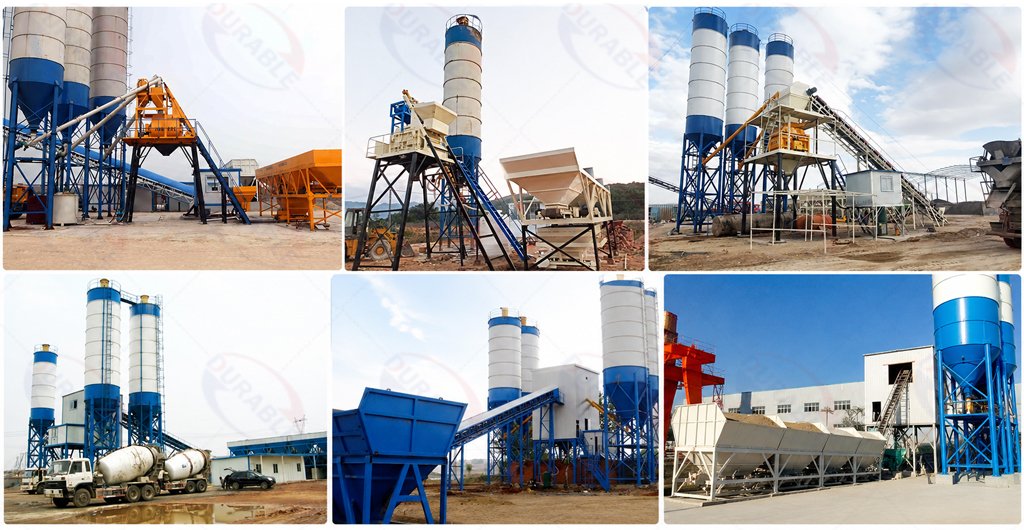
A stationary concrete batching plant is much more than just a mixer and a few storage bins. To produce high-quality concrete efficiently and consistently, multiple systems must work together as a complete production line.
Many first-time buyers focus only on the mixer or plant capacity. However, the success of a batching plant depends on selecting the right combination of equipment.
Missing or undersized components can lead to:
- Production bottlenecks
- Inconsistent concrete quality
- Material waste
- Increased labor costs
- Reduced profitability
Therefore, understanding the complete equipment configuration is essential before investing in a batching plant.
Why Equipment Selection Matters
Concrete quality depends on more than just raw materials.
A well-designed batching plant improves:
- Concrete consistency
- Production efficiency
- Material utilization
- Labor productivity
- Equipment lifespan
Meanwhile, poorly selected equipment can create ongoing production problems.
Because of this, experienced buyers evaluate the entire production system rather than individual machines.
Aggregate Batching Machine
The aggregate batching machine is responsible for accurately measuring and feeding raw materials into the mixing system.
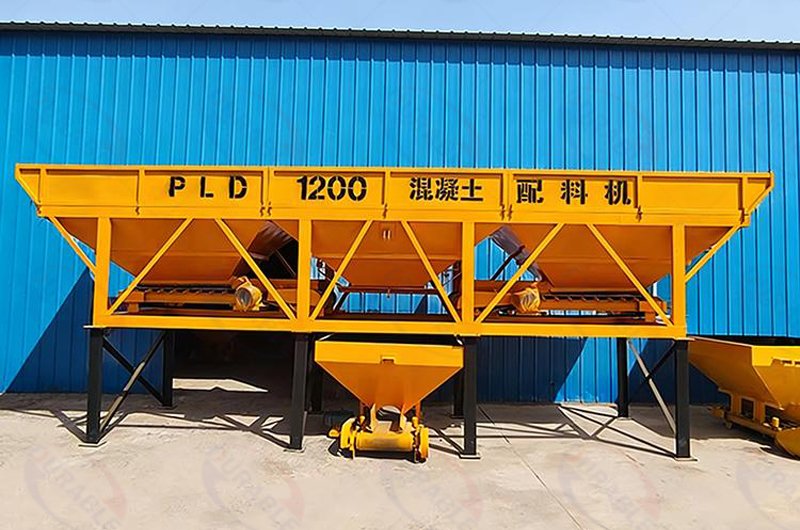
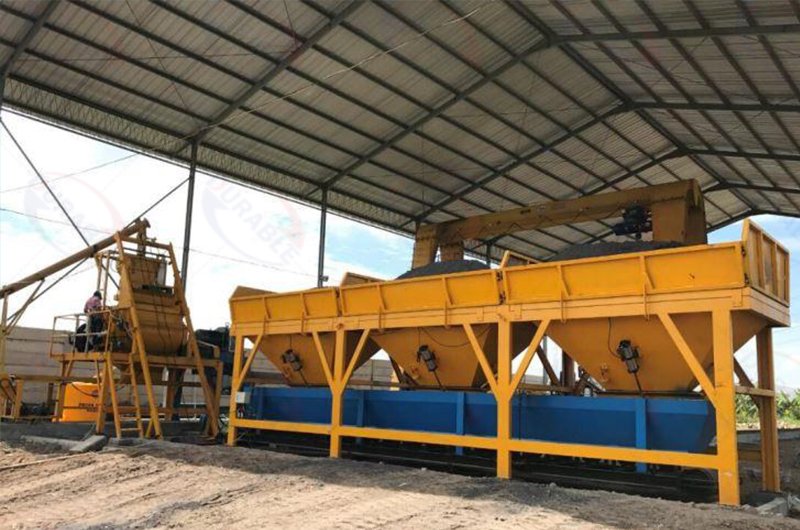
Typical materials include:
- Sand
- Gravel
- Crushed stone
- Recycled aggregate
Why It Is Important
Accurate batching directly affects:
- Concrete strength
- Mix consistency
- Material costs
Common Configurations
Most stationary plants use:
- 2-bin systems
- 3-bin systems
- 4-bin systems
Larger commercial plants often use multiple aggregate bins to improve flexibility and production efficiency.
Concrete Mixer
The mixer is the heart of the batching plant.
Its job is to combine all materials into a uniform concrete mixture.
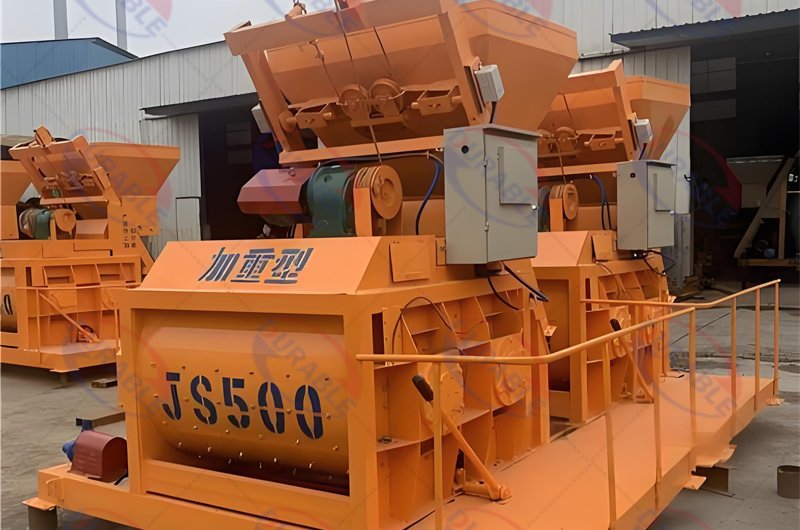
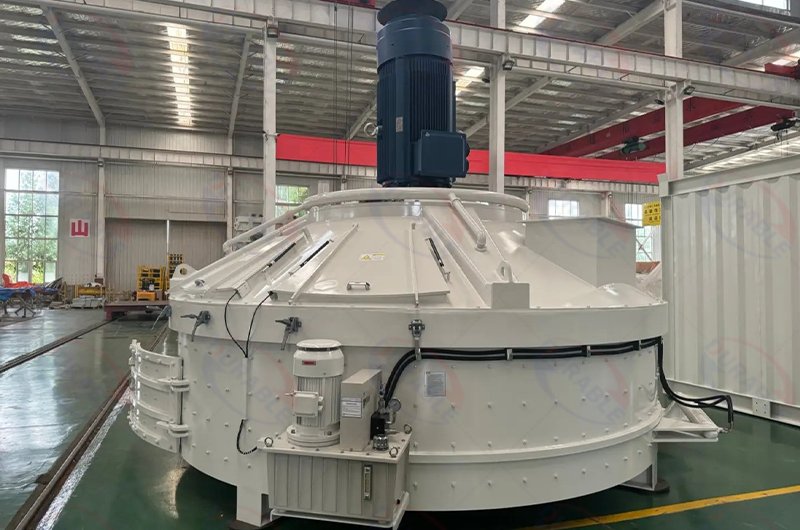
Twin Shaft Concrete Mixer
The most common choice for commercial concrete production is a Twin Shaft Concrete Mixer.
Advantages include:
- Fast mixing speed
- Excellent concrete quality
- High production capacity
- Reliable operation
Twin shaft mixers are widely used in:
- Ready-mix plants
- Infrastructure projects
- Commercial concrete production
Planetary Concrete Mixer
A Planetary Concrete Mixer is often used when product consistency is critical.
Common applications include:
- Precast concrete
- Paver production
- Decorative concrete
- Concrete blocks
Which Mixer Is Best?
For most stationary batching plants, twin shaft mixers remain the preferred choice because they provide the best balance between productivity and operating cost.
Cement Silo
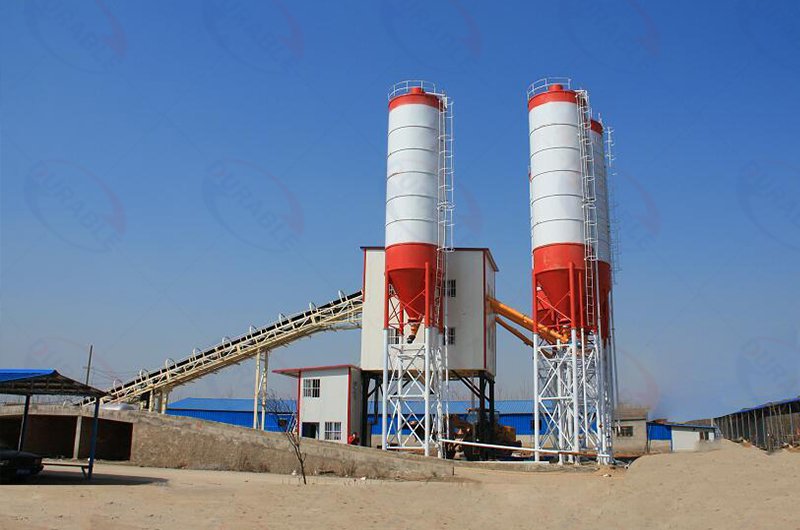
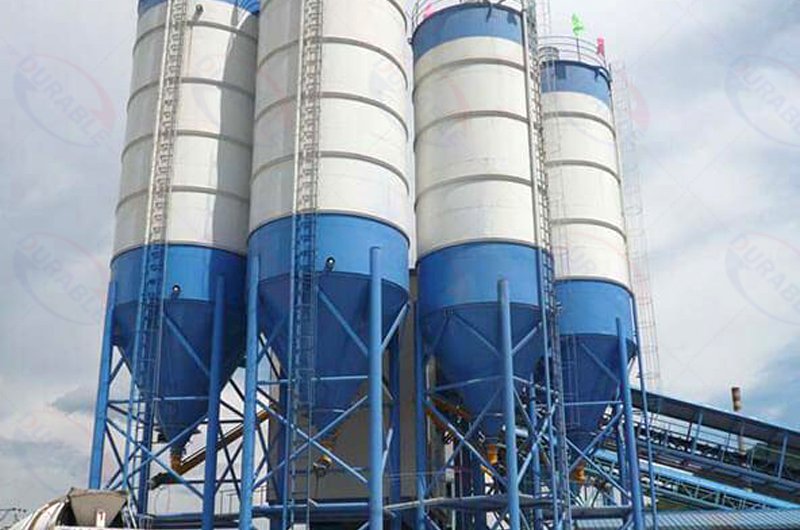
A cement silo stores bulk cement before it enters the batching process.
Without sufficient cement storage, production interruptions become common.
Common Silo Capacities
| Silo Size | Typical Capacity |
|---|---|
| Small | 50 Tons |
| Medium | 100 Tons |
| Large | 200 Tons |
| Extra Large | 300 Tons+ |
Benefits
- Continuous production
- Reduced material handling
- Improved storage efficiency
Many commercial Concrete Batching Plants use multiple silos to support different cement types.
Screw Conveyor
The screw conveyor transfers cement from the silo to the weighing system.
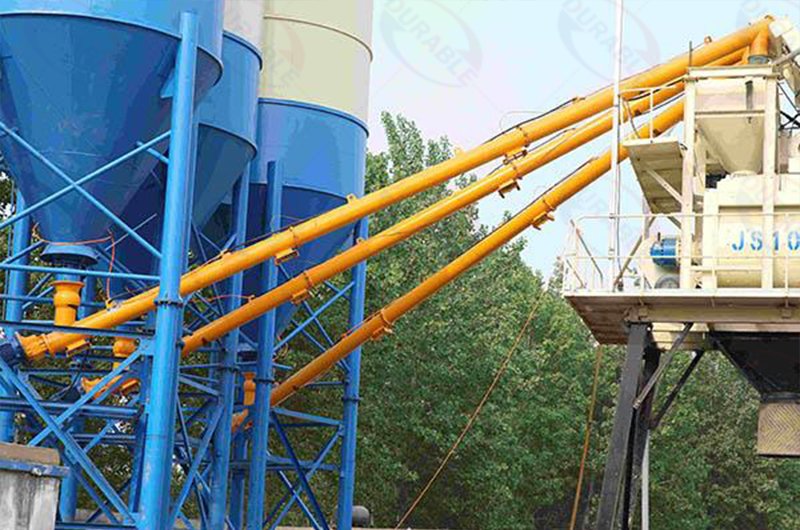
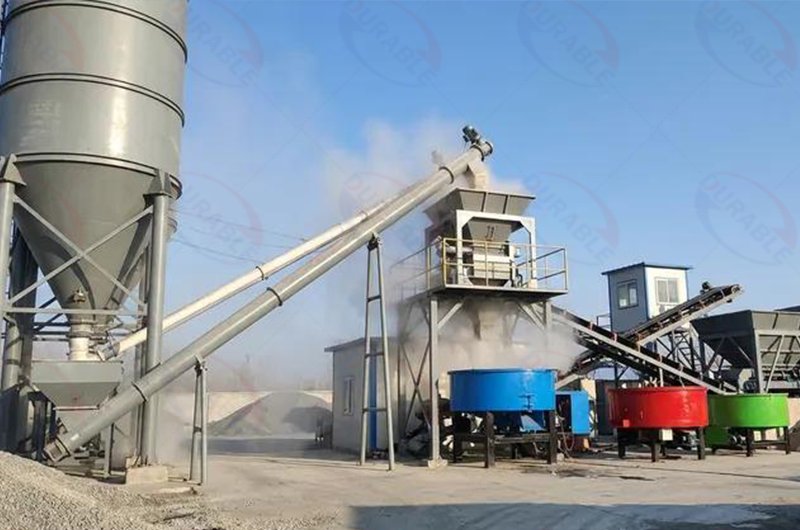
Although it is often overlooked, it is a critical component.
Main Functions
- Cement transportation
- Dust reduction
- Automated material feeding
Why Quality Matters
Poor-quality screw conveyors may cause:
- Material blockages
- Production delays
- Increased maintenance
Reliable conveying systems improve overall plant efficiency.
Weighing System
Accurate weighing is essential for concrete quality.
A batching plant typically includes separate weighing systems for:
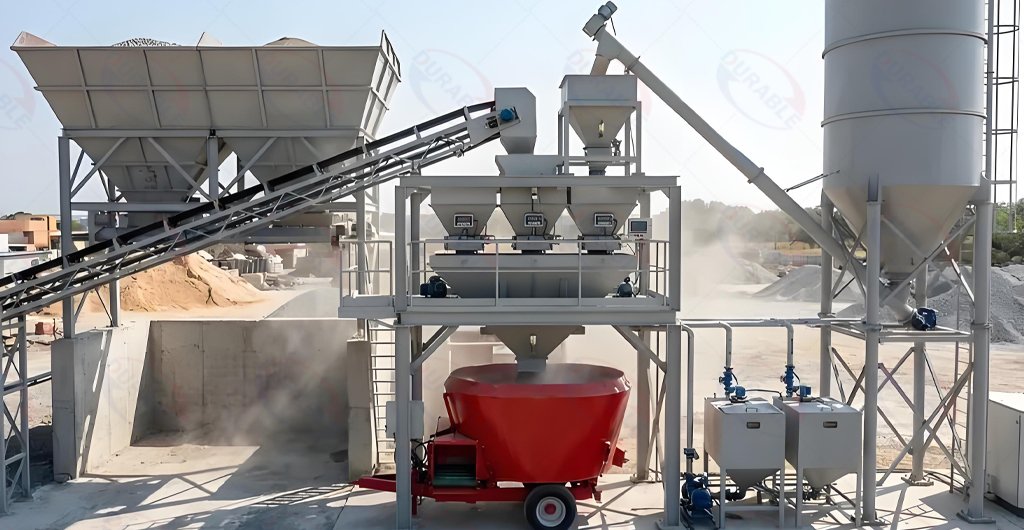
- Aggregate
- Cement
- Water
- Admixtures
Why Accurate Weighing Matters
Even small measurement errors can affect:
- Concrete strength
- Workability
- Durability
Industry Observation
High-accuracy weighing systems often reduce material waste while improving product quality.
Water Supply System
Water plays a critical role in concrete production.
The water system ensures precise water dosing during batching.
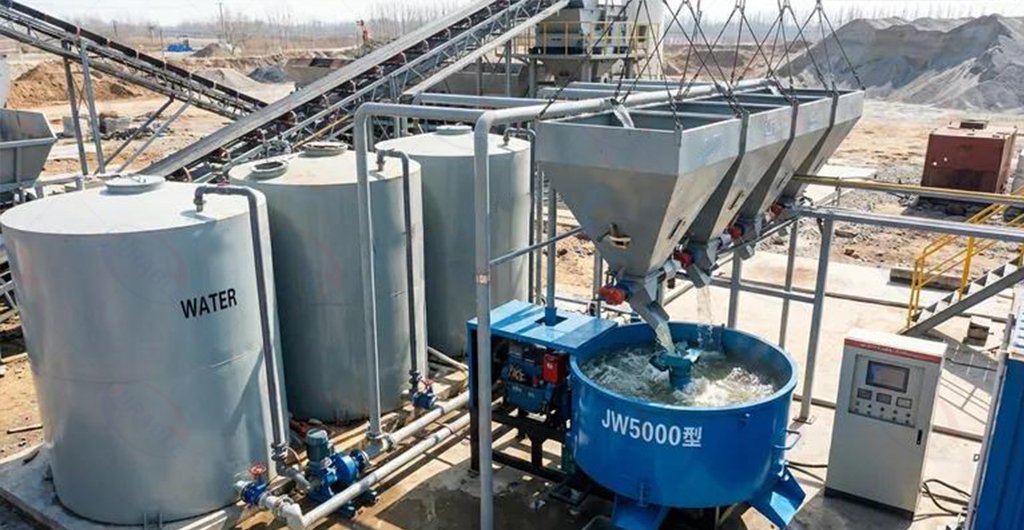
Components May Include
- Water tanks
- Water pumps
- Flow meters
- Control valves
Benefits
- Improved consistency
- Better concrete strength
- Reduced waste
Proper water control helps maintain stable concrete quality throughout production.
Admixture Dosing System
Modern concrete often contains chemical admixtures.
Common additives include:
- Water reducers
- Accelerators
- Retarders
- Plasticizers
Why Dosing Accuracy Matters
Incorrect dosing can lead to:
- Strength variation
- Setting time problems
- Reduced product quality
For commercial concrete production, accurate dosing systems are increasingly important.
Control System
The control system acts as the brain of the batching plant.
Modern systems allow operators to manage:
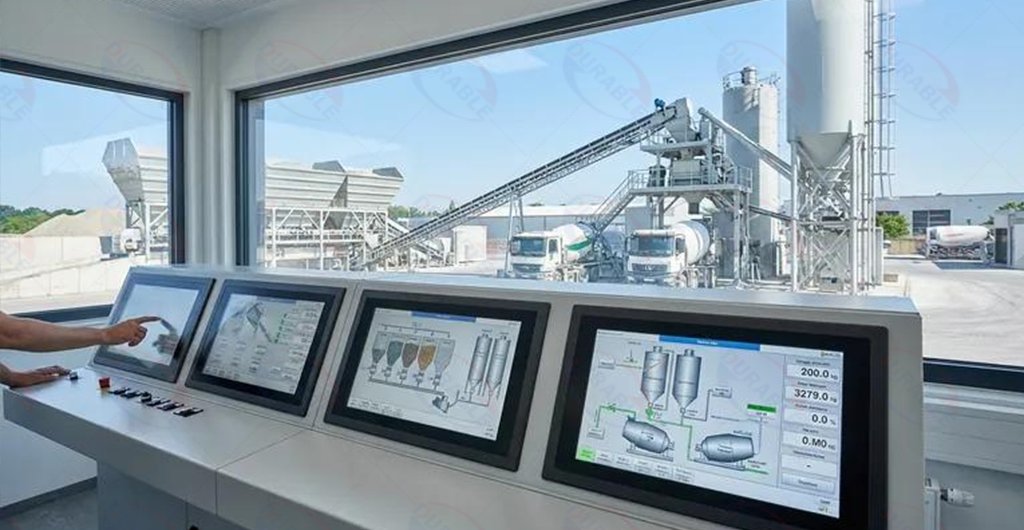
- Material batching
- Mixing cycles
- Production records
- Recipe management
Benefits of Automation
- Reduced labor requirements
- Improved accuracy
- Better production tracking
- Lower operating costs
Many advanced Stationary Concrete Batching Plants now use PLC-based control systems for greater reliability.
Aggregate Feeding Equipment
Materials must be delivered efficiently to the batching system.
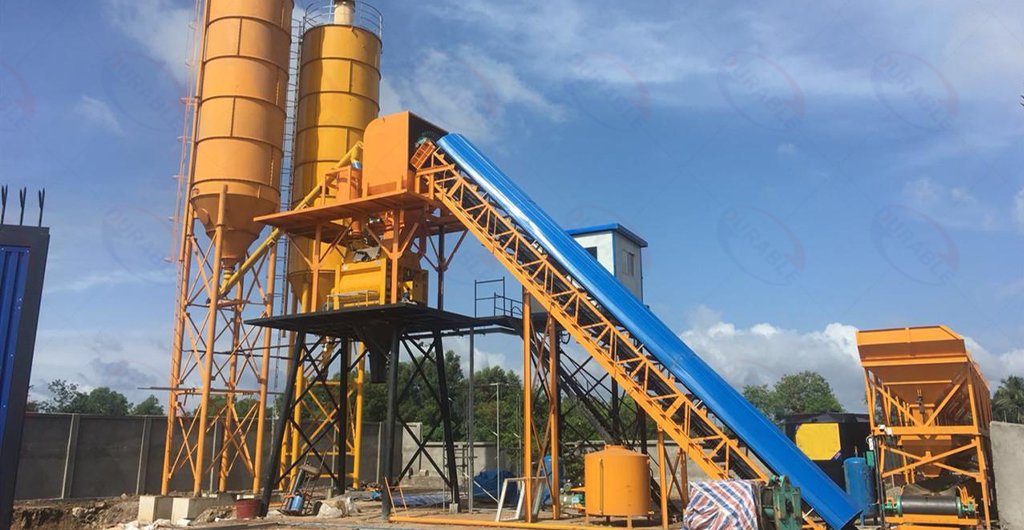
Common feeding solutions include:
- Belt conveyors
- Skip hoists
- Wheel loaders
Belt Conveyor Systems
Best for:
- Medium and large plants
- Continuous production
- High efficiency
Skip Hoist Systems
Best for:
- Compact plant layouts
- Smaller capacities
The correct feeding system depends on plant design and production requirements.
Dust Collection System
Environmental regulations are becoming stricter worldwide.
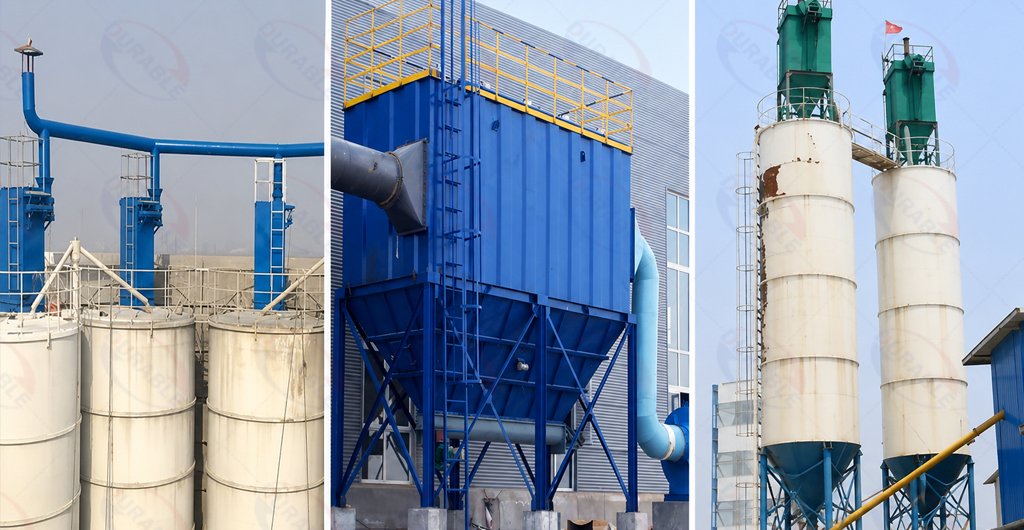
Dust collection systems help:
- Improve workplace safety
- Reduce pollution
- Meet environmental standards
Common Collection Points
- Cement silo
- Screw conveyor
- Mixer discharge area
Industry Trend
Modern batching plants increasingly include dust control systems as standard equipment.
Optional Equipment That Improves Productivity
Depending on production goals, additional equipment may be beneficial.
Wheel Loader
Used for:
- Aggregate loading
- Material handling
Generator
Provides backup power during outages.
Recycling System
Helps recover unused concrete and wastewater.
Ice Plant
Used in hot climates to control concrete temperature.
Concrete Pump
Improves concrete transportation on large projects.
Not every plant requires these systems. However, they often improve production efficiency and profitability.
Equipment Configuration by Plant Capacity
Small Plants (HZS25–HZS50)
Typically Include:
- Aggregate batching machine
- Twin shaft mixer
- Cement silo
- Screw conveyor
- Basic control system
Medium Plants (HZS60–HZS120)
Typically Include:
- Multiple aggregate bins
- Larger mixer
- Multiple cement silos
- Automated controls
- Belt conveyor system
Large Plants (HZS180+)
Typically Include:
- High-capacity mixers
- Multiple silos
- Advanced automation
- Dust collection systems
- Recycling systems
As production capacity increases, equipment complexity also increases.
Common Buying Mistakes
Focusing Only on Mixer Size
The mixer is important, but every component affects plant performance.
Choosing Insufficient Cement Storage
Small silos can restrict production.
Ignoring Automation
Automation often reduces labor costs and improves accuracy.
Overlooking Dust Control
Environmental compliance is becoming increasingly important.
Underestimating Future Growth
Many producers outgrow their equipment sooner than expected.
Industry Expert Conclusion
A successful stationary concrete batching plant requires more than just a mixer.
The most important equipment includes:
- Aggregate batching machine
- Concrete mixer
- Cement silo
- Screw conveyor
- Weighing system
- Water dosing system
- Admixture system
- Control system
- Material feeding equipment
Selecting the right combination of equipment improves productivity, concrete quality, and long-term profitability.
Frequently Asked Questions
What is the most important equipment in a batching plant?
The concrete mixer is often considered the core component because it directly affects concrete quality and production efficiency.
Which mixer is best for a stationary batching plant?
For most commercial applications, a twin shaft mixer provides the best balance between productivity, concrete quality, and operating cost.
How many cement silos does a batching plant need?
Most commercial plants use one to three silos depending on production volume and cement types.
Is a control system necessary?
Yes. Modern control systems improve batching accuracy, reduce labor requirements, and increase production efficiency.
What optional equipment improves productivity the most?
Wheel loaders, recycling systems, dust collectors, and backup generators are among the most valuable upgrades.
Related Concrete Production Solutions
If you are planning a complete concrete production project, you may also be interested in:
- Stationary Concrete Batching Plant
- Concrete Batching Plant
- Mobile Concrete Batching Plant
- Twin Shaft Concrete Mixer
- Planetary Concrete Mixer
About Durable
Durable provides complete concrete production solutions for customers worldwide.
Our product range includes:
- Stationary Concrete Batching Plants
- Mobile Concrete Batching Plants
- Twin Shaft Concrete Mixers
- Planetary Concrete Mixers
- Cement Silos
- Aggregate Batching Systems
- Concrete Production Equipment
We help customers design complete batching plant solutions based on production requirements, project goals, local conditions, and investment budgets.
Whether you are building a small ready-mix operation or a large commercial concrete plant, our engineering team can help create the right solution for long-term profitability.
Contact Durable today for customized batching plant recommendations.