 Durable Machinery
Get Price
How Much Does a Mobile Concrete Batching Plant Cost in 2026?
A mobile concrete batching plant has become one of the most popular solutions for contractors, infrastructure companies, and concrete producers who need flexibility and fast project deployment.
Unlike stationary plants, mobile batching plants can be transported between job sites, allowing businesses to produce concrete wherever it is needed.
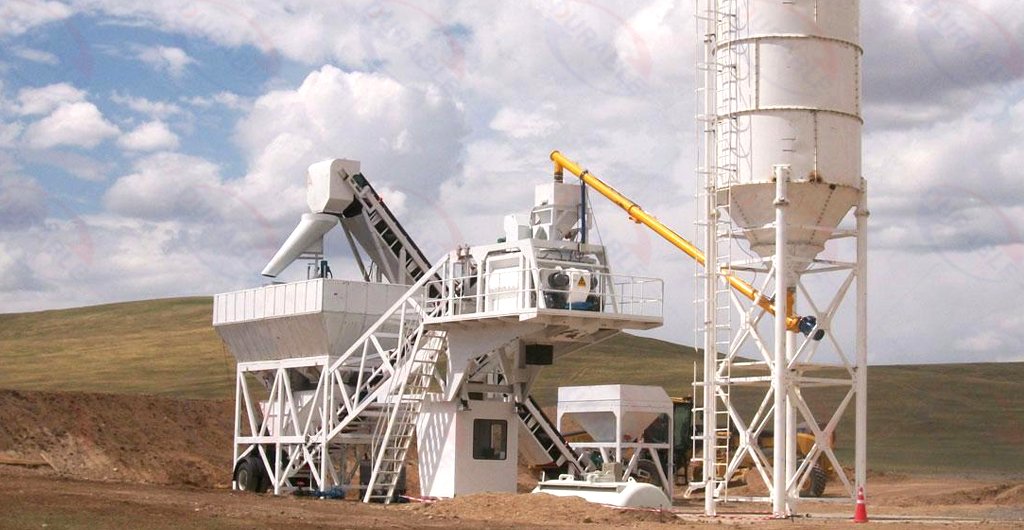
As infrastructure projects continue expanding worldwide in 2026, demand for mobile concrete production equipment remains strong.
However, one question is asked more than any other:
How much does a mobile concrete batching plant cost in 2026?
The answer depends on several factors, including production capacity, mixer type, automation level, and project requirements.
While small mobile plants may cost less than $30,000, large high-capacity systems can exceed $200,000.
Therefore, understanding the complete investment picture is essential before making a purchasing decision.
Why Mobile Concrete Batching Plants Are Growing in Popularity
Construction projects are becoming more mobile than ever.
Today, many contractors work across:
- Highway projects
- Bridge construction
- Infrastructure development
- Mining operations
- Remote housing projects
Because of this, transporting concrete from a distant ready-mix plant can become expensive and inefficient.
A mobile batching plant solves this problem by allowing concrete production directly at the project site.
Key Advantages
- Faster project startup
- Lower transportation costs
- Greater operational flexibility
- Reduced concrete delivery delays
- Improved project control
Many businesses begin with a Mobile Concrete Batching Plant before investing in larger permanent facilities.
What Is a Mobile Concrete Batching Plant?
A mobile concrete batching plant is a portable concrete production system designed for quick installation and relocation.
Unlike a Stationary Concrete Batching Plant, a mobile plant can be transported between different job sites with minimal disassembly.
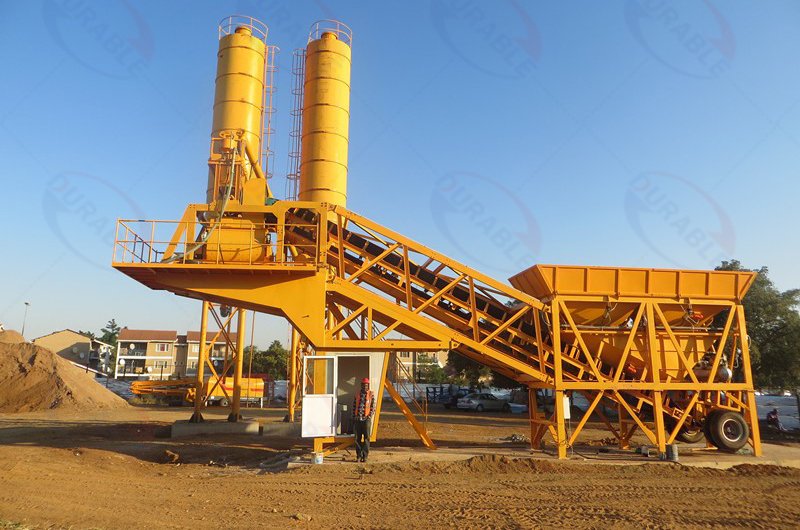
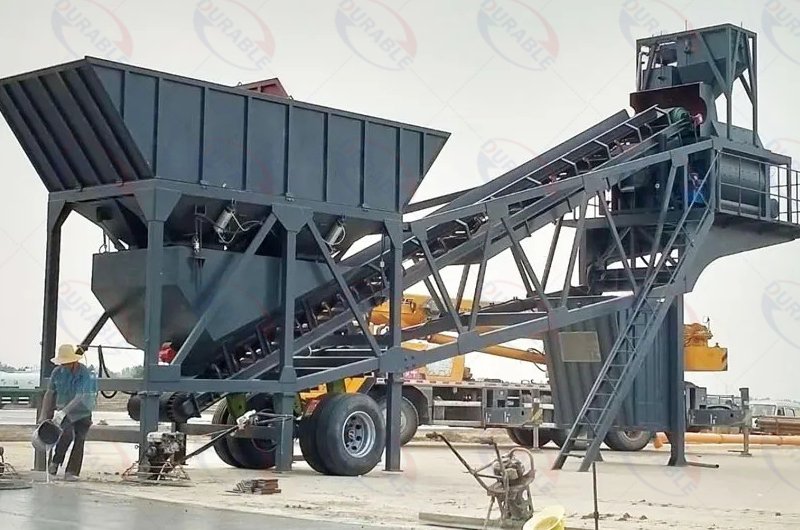
A typical mobile batching plant includes:
- Aggregate batching machine
- Concrete mixer
- Control system
- Material weighing system
- Mobile chassis
- Conveying equipment
The entire system is designed to reduce setup time while maintaining concrete quality.
Common Applications
- Road construction
- Railway projects
- Bridge construction
- Infrastructure development
- Mining projects
- Remote construction sites
What Factors Affect Mobile Concrete Batching Plant Cost?
Not all mobile batching plants are priced the same.
Several factors significantly affect investment costs.
Production Capacity
Capacity is usually the largest pricing factor.
Larger plants require:
- Bigger mixers
- Larger batching systems
- More powerful control systems
As a result, costs increase as production capacity grows.
Mixer Type
The mixer plays a major role in overall pricing.
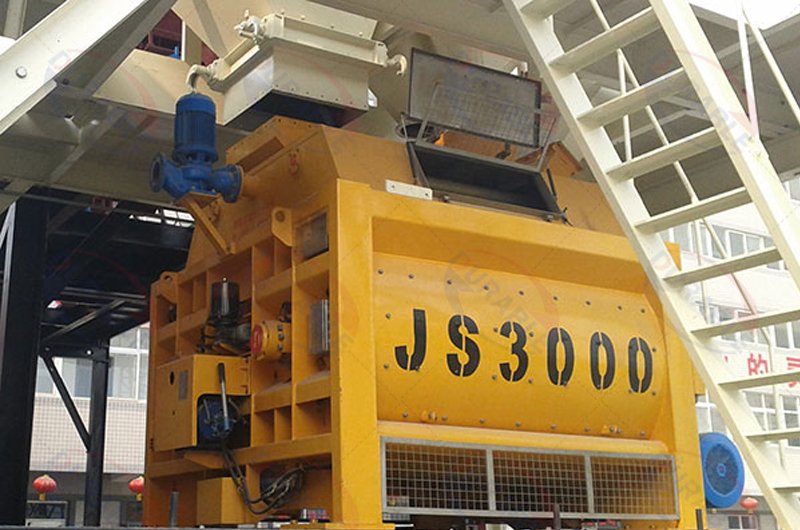
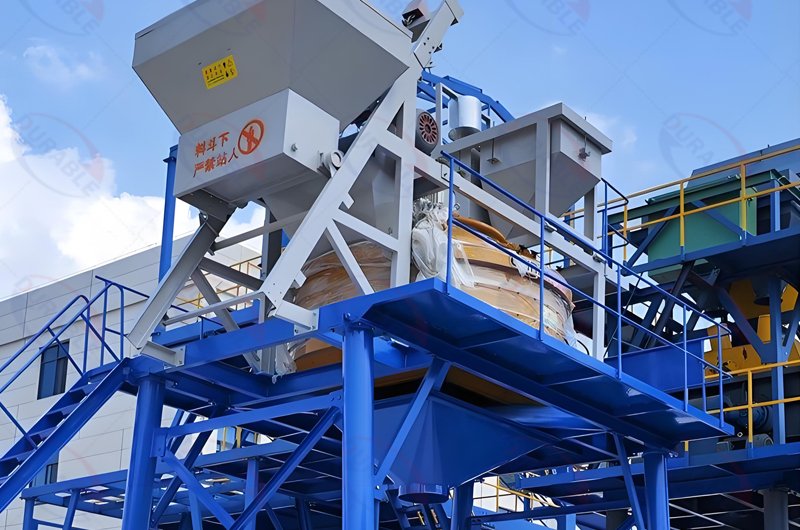
Most mobile plants use a Twin Shaft Concrete Mixer because it offers:
- Fast mixing cycles
- Excellent concrete quality
- High productivity
Some specialty applications may use a Planetary Concrete Mixer when superior mixing consistency is required.
Automation Level
Modern control systems can significantly improve production efficiency.
However, advanced automation increases initial investment.
Mobility Design
The more compact and transport-friendly the design, the more engineering is required.
This can also affect plant pricing.
Mobile Concrete Batching Plant Price by Capacity
The following table provides typical 2026 market pricing.
| Capacity | Estimated Price Range |
|---|---|
| 25 m³/h | $30,000–$50,000 |
| 35 m³/h | $40,000–$60,000 |
| 50 m³/h | $50,000–$80,000 |
| 60 m³/h | $60,000–$100,000 |
| 75 m³/h | $80,000–$120,000 |
| 90 m³/h | $100,000–$150,000 |
| 120 m³/h | $120,000–$200,000+ |
Most Popular Models
For many contractors, the most common choices are:
- 50 m³/h
- 60 m³/h
- 75 m³/h
These capacities provide excellent flexibility while maintaining manageable investment costs.
Best for Large Infrastructure Projects
Projects requiring continuous concrete production often choose:
- 90 m³/h
- 120 m³/h
These systems can support demanding construction schedules.
What Additional Costs Should You Consider?
Equipment price is only part of the total investment.
Many buyers underestimate additional expenses.
Common Additional Costs
- Transportation
- Site preparation
- Generator
- Cement silos
- Wheel loader
- Operator training
- Spare parts inventory
- Fuel and power infrastructure
Typical Investment Breakdown
| Item | Percentage of Investment |
|---|---|
| Equipment | 60%-75% |
| Transportation & Installation | 5%-15% |
| Infrastructure | 10%-20% |
| Working Capital | 10%-20% |
Why This Matters
A plant quoted at $80,000 may require a total project investment exceeding $100,000 after all supporting costs are included.
Mobile Plant vs Stationary Plant Cost
Many buyers compare mobile and stationary batching plants before investing.
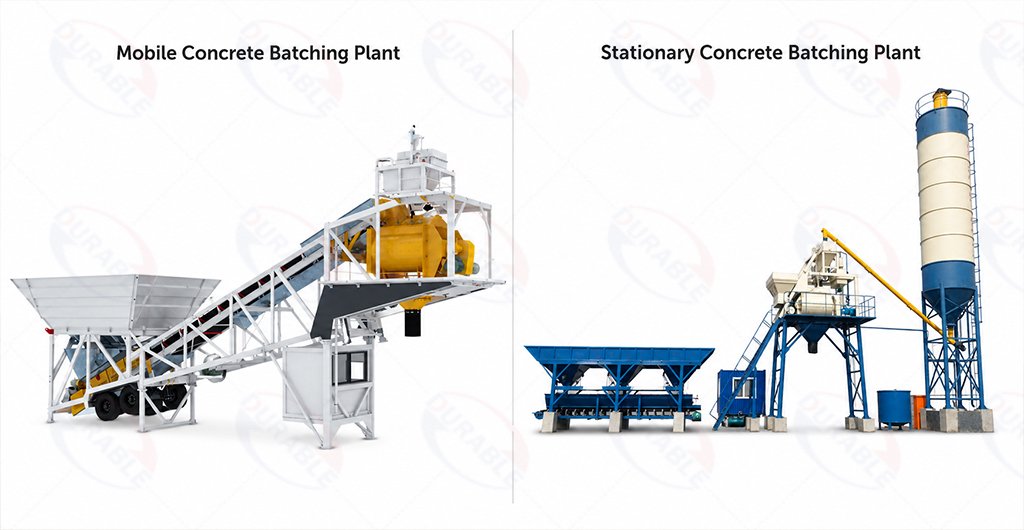
Cost Comparison
| Factor | Mobile Plant | Stationary Plant |
|---|---|---|
| Initial Cost | Higher | Lower |
| Mobility | Excellent | None |
| Installation Time | Short | Longer |
| Foundation Cost | Lower | Higher |
| Production Capacity | Medium-High | High |
| Expansion Potential | Moderate | Excellent |
Which Option Is Better?
If projects frequently change location, a mobile plant usually provides greater value.
If production remains at one location for many years, a Stationary Concrete Batching Plant may offer lower long-term production costs.
Which Mobile Batching Plant Delivers the Best ROI?
ROI depends on project type and plant utilization.
Small Contractors
25–50 m³/h plants often provide:
- Lower startup costs
- Faster payback periods
- Lower financial risk
Medium-Sized Contractors
50–90 m³/h plants usually provide:
- Strong productivity
- Good flexibility
- Excellent ROI
Large Infrastructure Companies
90–120 m³/h plants become attractive when:
- Production demand remains high
- Projects are continuous
- Capacity utilization stays strong
Industry Observation
For most buyers, 60–90 m³/h plants provide the strongest balance between investment and profitability.
Common Buying Mistakes
Choosing Capacity Based Only on Price
Low-cost plants may quickly become production bottlenecks.
Ignoring Transportation Requirements
Transportation regulations can affect plant selection.
Underestimating Cement Storage Needs
Insufficient storage often limits production.
Overlooking Future Expansion
Many contractors grow faster than expected.
Buying More Capacity Than Necessary
Oversized equipment increases investment and operating costs.
How to Choose the Right Mobile Batching Plant
Choose a 25–35 m³/h Plant If:
- You operate small projects
- Production demand is limited
- Budget is tight
Choose a 50–75 m³/h Plant If:
- You handle regional construction projects
- Growth is expected
- Flexibility is important
Choose a 90–120 m³/h Plant If:
- You supply major infrastructure projects
- Concrete demand is high
- Continuous production is required
Expert Recommendation
For most contractors, a 60–75 m³/h mobile batching plant offers the best combination of investment cost, mobility, productivity, and ROI.
Real Project Example
A contractor operating highway projects across East Africa invested in a 60 m³/h mobile batching plant.
The benefits included:
- Faster project mobilization
- Lower concrete transportation costs
- Reduced project delays
- Improved scheduling flexibility
The investment was recovered within approximately two years through transportation savings and increased project efficiency.
Industry Lesson
The ability to move production directly to the project site often creates value beyond simple concrete production costs.
Industry Expert Conclusion
Mobile concrete batching plants remain one of the most practical investments for contractors and infrastructure companies in 2026.
However, selecting the right model requires evaluating:
- Capacity requirements
- Project locations
- Mobility needs
- Budget
- Future growth plans
For most contractors, 50–90 m³/h plants provide the best balance between flexibility, productivity, and profitability.
Frequently Asked Questions
How much does a mobile concrete batching plant cost in 2026?
Most mobile batching plants cost between $30,000 and $200,000+ depending on capacity, configuration, and automation level.
Which mobile batching plant size is most popular?
50–75 m³/h plants are among the most popular because they offer strong productivity and excellent flexibility.
Is a mobile batching plant more expensive than a stationary plant?
The equipment itself may cost slightly more, but installation and foundation costs are often lower.
How long does ROI usually take?
Many contractors recover their investment within 18 to 36 months depending on utilization and project demand.
Which plant capacity provides the best ROI?
For most contractors, 60–90 m³/h plants provide the strongest balance between investment cost and productivity.
Related Concrete Production Solutions
If you are planning a complete concrete production project, you may also be interested in:
- Mobile Concrete Batching Plant
- Stationary Concrete Batching Plant
- Concrete Batching Plant
- Twin Shaft Concrete Mixer
- Planetary Concrete Mixer
About Durable
Durable provides complete concrete production solutions for customers worldwide.
Our product range includes:
- Mobile Concrete Batching Plants
- Stationary Concrete Batching Plants
- Twin Shaft Concrete Mixers
- Planetary Concrete Mixers
- Cement Silos
- Aggregate Batching Systems
We help customers select equipment based on project requirements, production goals, local conditions, and investment budgets.
Whether you are building roads, bridges, infrastructure projects, or commercial concrete operations, our engineering team can help design the right solution for long-term profitability.
Contact Durable today for customized batching plant recommendations.