 Durable Machinery
Get Price
Why Biomass Plants Choose a Square Continuous Biomass Carbonization Furnace
For many biomass producers, traditional batch carbonization is becoming harder to match with today’s production needs. Buyers want more stable charcoal quality, higher daily output, lower labor use, and better control over fuel and emissions.
This is why more medium and large biomass plants are considering a Square Continuous Biomass Carbonization Furnace.
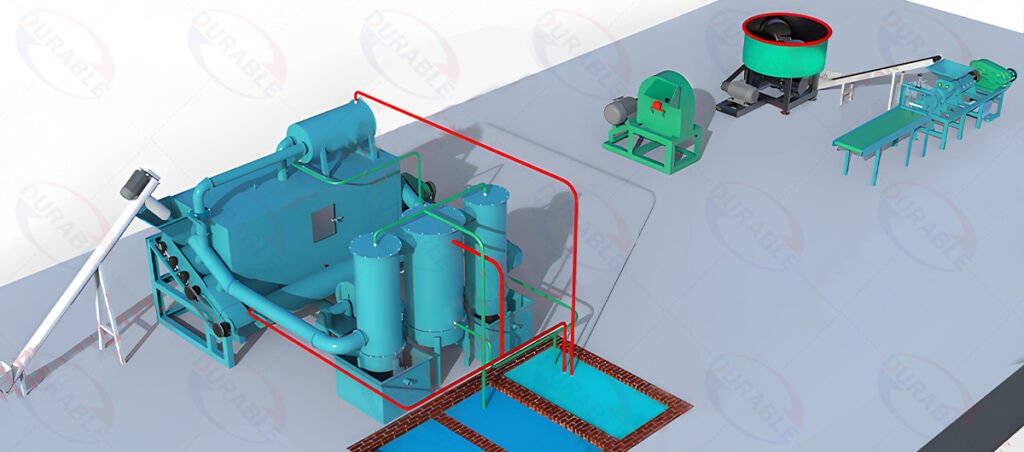
Unlike a batch furnace that must stop for loading, cooling, and unloading, a square continuous furnace is designed for continuous feeding, continuous carbonization, and continuous charcoal discharge. It can help producers process prepared biomass materials such as wood chips, sawdust, coconut shells, rice husks, palm shells, bamboo chips, and biomass briquettes in a more stable production flow.
However, this equipment is not suitable for every project. Small workshops or seasonal producers may still prefer batch carbonization because of lower investment and simpler operation.
This guide explains how a Square Continuous Biomass Carbonization Furnace works, which materials are suitable, when it makes sense to upgrade, what affects the price, and how to choose the right configuration for your biomass charcoal production line. If you are still comparing different carbonization equipment types, you can also review DURABLE’s Charcoal Making Machine page for a broader product overview.
What Is a Square Continuous Biomass Carbonization Furnace?
A Square Continuous Biomass Carbonization Furnace is a biomass carbonization system designed for continuous operation.
Instead of loading raw material into one batch, waiting for carbonization, cooling the furnace, and unloading charcoal manually, the system allows prepared biomass materials to enter continuously and discharge carbonized material continuously.
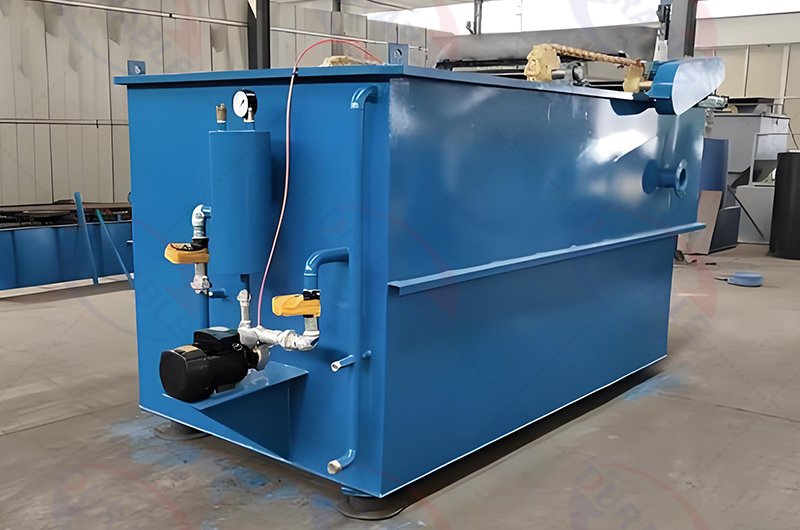
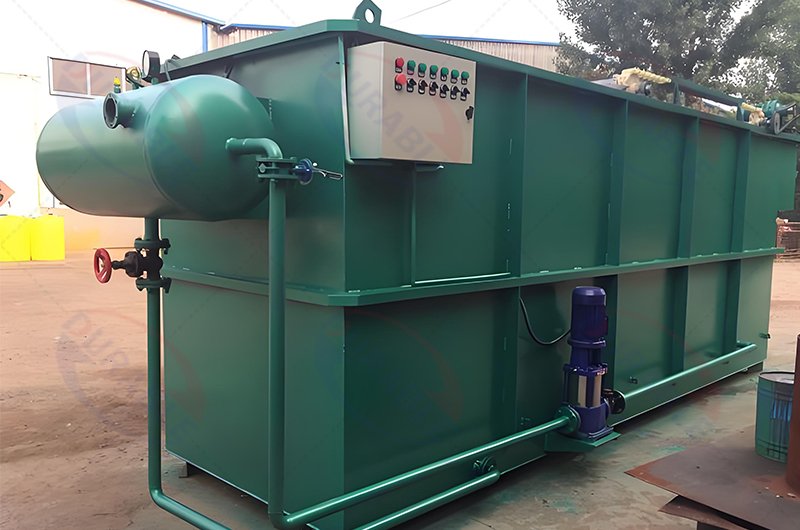
The general process includes:
- Raw material preparation
- Continuous feeding
- Controlled heating
- Biomass carbonization
- Combustible gas recovery
- Continuous charcoal discharge
- Cooling
- Downstream crushing, pressing, packaging, or storage
The word “square” usually refers to the furnace body design and layout form. Compared with small round or simple batch systems, a square continuous structure is often designed for better space arrangement, stable internal heating, easier connection with feeding and discharge systems, and more practical integration into a complete production line.
The main purpose of this furnace is not only to carbonize biomass. It is to help biomass plants produce charcoal more continuously and more predictably.
Typical applications include:
- BBQ charcoal raw material production
- Shisha charcoal powder preparation
- Biomass fuel charcoal production
- Agricultural biochar production
- Industrial carbon material preparation
- Charcoal briquette production
- Biomass waste recycling projects
A square continuous biomass carbonization furnace should be viewed as one part of a full biomass processing line, not as an isolated machine. The final result depends on raw material preparation, moisture control, feeding stability, carbonization control, cooling, and downstream processing.
Why Traditional Batch Carbonization Is Becoming Less Competitive
Traditional batch carbonization has supported the charcoal industry for decades. It remains practical for small producers because the equipment is simple and the initial investment is lower.
However, production requirements have changed.
Modern charcoal buyers increasingly expect stable quality, predictable supply, lower ash variation, and more consistent burning performance. Export buyers are especially sensitive to differences in charcoal quality between batches.
A batch furnace has one major limitation: production stops after every cycle.
A typical batch process requires operators to:
- Load raw material
- Heat the furnace
- Wait for carbonization
- Cool the furnace
- Unload finished charcoal
- Clean and reload the system
During cooling, unloading, and reloading, the furnace is not producing new charcoal.
This creates several challenges:
- Lower daily output
- More manual handling
- Longer production cycles
- Higher labor demand
- Inconsistent carbonization results
- More difficult production scheduling
- Lower equipment utilization
For small workshops, these limitations may be acceptable.
For medium and large biomass plants, downtime becomes expensive.
This is one reason more producers are comparing batch systems with continuous equipment such as the Square Continuous Biomass Carbonization Furnace.
The goal is not only to buy a larger furnace. The goal is to create a more stable production method.
Why Biomass Plants Choose a Square Continuous Furnace
Biomass plants usually consider a square continuous carbonization furnace when they want to solve production bottlenecks.
The reasons are practical.
Continuous Production
A square continuous furnace supports continuous feeding and continuous discharge.
This helps reduce the repeated stop-start cycle of batch production. When the system is operating steadily, raw material can enter the furnace in a controlled way while carbonized material exits continuously.
This improves production planning and allows the plant to coordinate upstream drying, feeding, cooling, crushing, and packaging more smoothly.
More Stable Charcoal Quality
Batch carbonization may produce different results from one cycle to another because loading density, moisture, heating time, and cooling conditions are difficult to keep exactly the same.
A square continuous carbonization furnace can help improve consistency because material flow and temperature control are easier to manage during stable operation.
Better consistency can improve:
- Fixed carbon stability
- Charcoal color
- Burning performance
- Powder quality after crushing
- Briquette pressing stability
- Product grading
- Customer satisfaction
Raw material preparation is still very important. A continuous furnace cannot solve poor material quality by itself. But when the feedstock is properly prepared, continuous carbonization can make production easier to control.
Lower Labor Requirement
Batch systems require repeated manual loading, unloading, and cleaning.
A square continuous biomass carbonization furnace is usually designed to work with feeding equipment, discharge systems, cooling systems, and control panels. This reduces repeated manual work and allows operators to focus more on monitoring the process.
For commercial plants, lower manual handling can also improve workplace safety and reduce labor pressure.
Better Energy Utilization
During carbonization, biomass releases combustible gases. A properly designed continuous carbonization system can recover part of these gases and reuse them in the heating process.
This does not mean the system always reaches zero external fuel cost. That depends on raw material moisture, volatile content, furnace design, gas treatment efficiency, and operating conditions.
However, gas recovery can help reduce external fuel use after stable operation and improve overall energy utilization.
How the Square Continuous Carbonization Process Works
A square continuous biomass carbonization furnace is designed around stable material movement and controlled heating.
Although different models may vary, the basic process usually follows this logic.
Step 1: Raw Material Preparation
Raw material must be prepared before feeding.
Large logs, long branches, or irregular biomass materials are usually not suitable for direct continuous carbonization. They may need chipping, crushing, drying, screening, or briquetting before entering the furnace.
For larger wood materials, a Disc Wood Chipper can be used before drying or carbonization to produce more uniform wood chips.
Common preparation equipment may include:
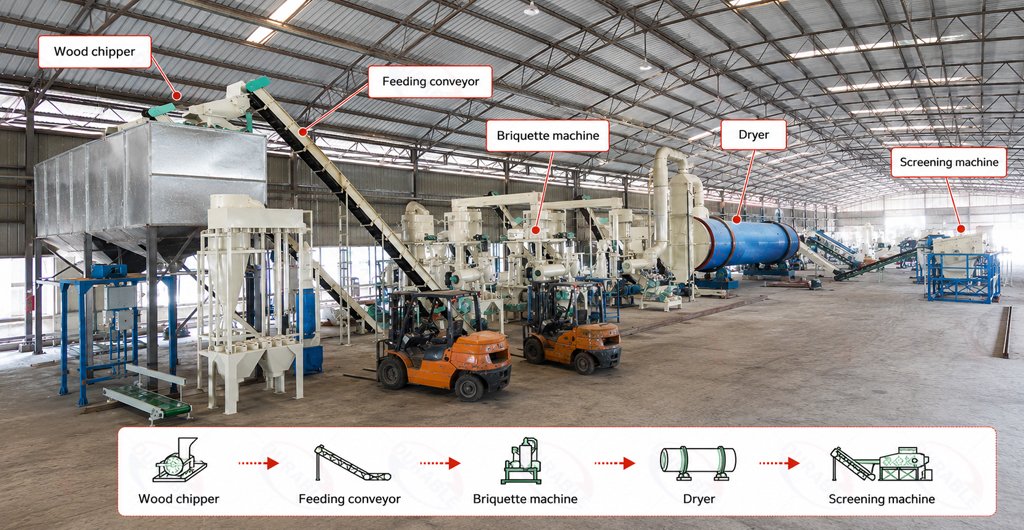
- Wood chipper
- Crusher
- Dryer
- Screening machine
- Briquette machine
- Feeding conveyor
The more uniform the raw material size and moisture, the more stable the carbonization process becomes.
Step 2: Continuous Feeding
Prepared biomass enters the furnace through a controlled feeding system.
The feeding rate should match the furnace capacity, material type, moisture level, and required carbonization result. Overfeeding may reduce carbonization quality. Underfeeding may reduce output and energy efficiency.
Step 3: Controlled Carbonization
Inside the furnace, biomass is heated under controlled oxygen-limited conditions.
The purpose is to remove volatile components and convert biomass into charcoal or biochar while maintaining suitable carbonization quality.
Stable temperature control and proper residence time are important for consistent output.
Step 4: Combustible Gas Recovery
During carbonization, the biomass releases gas and vapors.
In a continuous system, combustible gas can be collected, treated, and reused as part of the heating source. This improves energy utilization and reduces waste gas pressure.
Step 5: Continuous Discharge and Cooling
Carbonized material is discharged continuously from the system.
Because finished charcoal remains hot after carbonization, cooling is necessary before storage, crushing, pressing, or packaging.
A good discharge and cooling system helps protect workers, prevent fire risk, and improve downstream handling.
Which Raw Materials Are Suitable?
A Square Continuous Biomass Carbonization Furnace works best with prepared biomass materials that have stable size and controlled moisture.
Not all materials behave the same during carbonization.
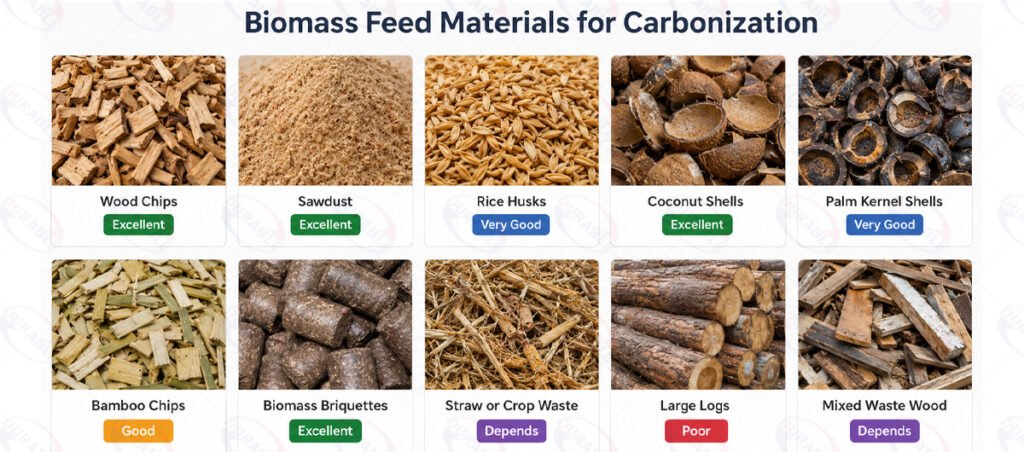
| Raw Material | Suitability | Preparation Notes |
|---|---|---|
| Wood Chips | Excellent | Uniform size improves feeding and heating |
| Sawdust | Excellent | Moisture control is important |
| Rice Husks | Very Good | Suitable for agricultural biochar |
| Coconut Shells | Excellent | Popular for BBQ and shisha charcoal |
| Palm Kernel Shells | Very Good | High fuel value and stable structure |
| Bamboo Chips | Good | Requires size control |
| Biomass Briquettes | Excellent | Uniform density supports stable carbonization |
| Straw or Crop Waste | Depends | May require briquetting or controlled feeding |
| Large Logs | Poor | Must be chipped or crushed first |
| Mixed Waste Wood | Depends | Requires sorting and contaminant removal |
The best raw materials usually share three features:
- Suitable particle size
- Controlled moisture
- Low contamination
Materials containing stones, sand, metal, plastic, or construction waste should be sorted before feeding. Contaminants can damage equipment, affect charcoal quality, and increase maintenance costs.
Large wood usually needs to be chipped before entering the carbonization process. For loose materials such as sawdust, rice husks, or agricultural residues, drying or briquetting may be required depending on the final charcoal product.
When producers want denser and more uniform carbonized material, a Biomass Briquette Machine can be used before carbonization to compress loose biomass into stable briquettes.
Why Raw Material Preparation Matters
Many buyers focus only on the carbonization furnace itself.
This is a common mistake.
A square continuous biomass carbonization furnace needs stable feeding. If the raw material is too large, too wet, too dirty, or too uneven, the furnace may not perform as expected.
Raw material preparation affects:
- Feeding stability
- Carbonization temperature
- Residence time
- Charcoal quality
- Gas generation
- Energy consumption
- Discharge smoothness
- Maintenance frequency
For example, large wood pieces may carbonize unevenly because heat cannot penetrate the material consistently.
High-moisture material may reduce furnace temperature and increase energy demand.
Powdery or lightweight material may need special feeding design to avoid bridging, blockage, or unstable flow.
This is why a successful square continuous carbonization project usually includes a full production line design.
Depending on raw material, the line may include:
- Chipping
- Crushing
- Drying
- Screening
- Feeding
- Carbonization
- Cooling
- Charcoal crushing
- Mixing
- Pressing
- Packaging
If the material needs further size reduction before carbonization or before downstream pressing, a Hammer Mill Crusher may be used as part of the preparation system.
The furnace is the core equipment, but the production line decides the final result.
Square Continuous Furnace vs Batch Carbonization Furnace
A square continuous biomass carbonization furnace and a batch furnace serve different types of producers.
Neither is always better.
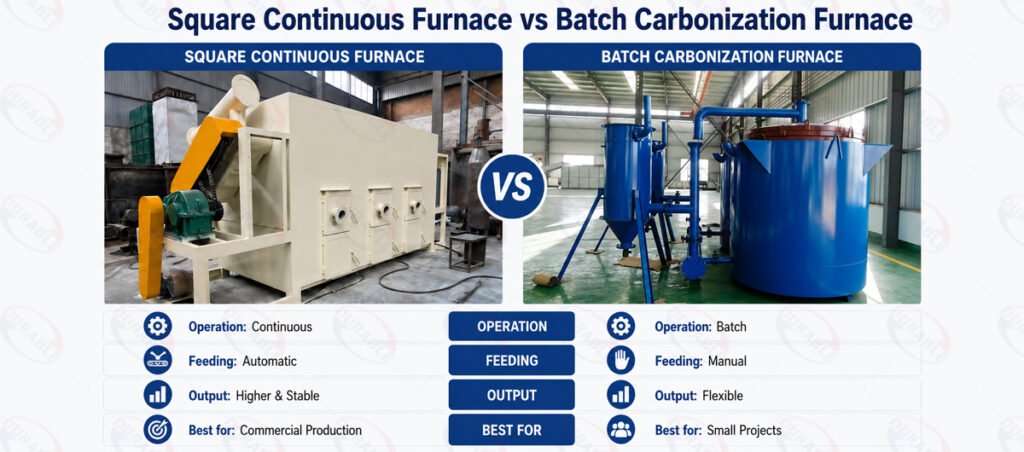
The right choice depends on production scale, raw material supply, budget, labor condition, and product market.
| Comparison | Batch Carbonization Furnace | Square Continuous Biomass Carbonization Furnace |
|---|---|---|
| Production Mode | Batch loading and unloading | Continuous feeding and discharge |
| Investment | Lower | Higher |
| Operation | Simpler | More systematic |
| Labor Requirement | Higher manual handling | Lower manual handling |
| Output Stability | Varies between batches | More stable during continuous operation |
| Suitable Scale | Small and seasonal production | Medium and large commercial production |
| Raw Material Requirement | More flexible for testing | Requires better preparation |
| Product Consistency | Depends heavily on operator skill | Easier to control with stable feeding |
| Production Planning | Less predictable | More suitable for daily production |
| Best Use | Small workshops and pilot projects | Commercial charcoal and biomass plants |
For small startups, seasonal production, unstable raw material supply, or limited investment, a batch furnace may still be the more practical choice. It offers simpler operation and more flexibility for early testing.
For daily production, steady raw material supply, higher output stability, and more consistent charcoal quality, a square continuous furnace is usually more suitable. It is especially useful for commercial biomass charcoal plants that want to reduce manual handling and build a more stable production line.
The right choice should match your real production model, not simply follow equipment trends.
Square Continuous Furnace vs Rotary Drum Carbonization Furnace
Some buyers also compare a square continuous carbonization furnace with a rotary drum carbonization furnace.
Both can support continuous carbonization, but their structure and project fit may differ.
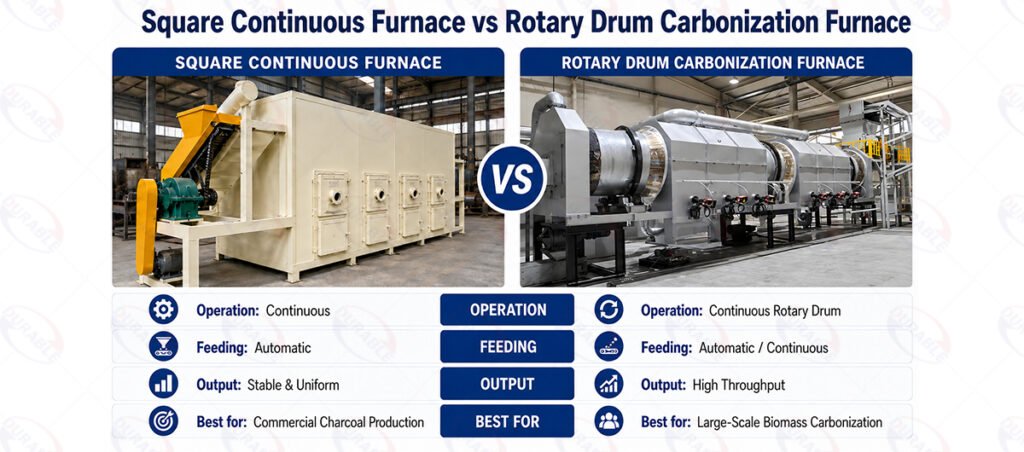
A Rotary Drum Biomass Carbonization Furnace usually relies on drum rotation to move material through the heating zone. It is often used for loose, granular, or small biomass materials that can move smoothly through the rotating drum.
A square continuous furnace may be preferred when buyers want a more structured furnace body, stable layout, easier line arrangement, and controlled connection with feeding, discharge, cooling, and gas systems.
The comparison below provides a general selection reference.
| Factor | Square Continuous Furnace | Rotary Drum Carbonization Furnace |
|---|---|---|
| Furnace Form | Square or box-type continuous structure | Rotating drum structure |
| Material Flow | Controlled continuous feeding and discharge | Material moves through rotating drum |
| Layout | Often easier to integrate into fixed line layout | Depends on drum length and installation space |
| Suitable Materials | Prepared biomass, briquettes, shells, chips | Small loose biomass, chips, shells, powdery materials |
| Operation Focus | Stable carbonization and line integration | Continuous rotation and material movement |
| Selection Basis | Factory layout, material type, product goal | Material flow behavior and capacity target |
This comparison does not mean one design is always better.
The best choice depends on raw material size, moisture, required output, factory space, downstream process, and investment plan.
If your article and product page focus on the Square Continuous Biomass Carbonization Furnace, the content should position it as a practical continuous solution for biomass plants that need stable output, integrated layout, and commercial-scale charcoal production.
How This Furnace Supports Downstream Charcoal Production
The value of a square continuous carbonization furnace is not limited to the furnace itself.
It also affects downstream processing.
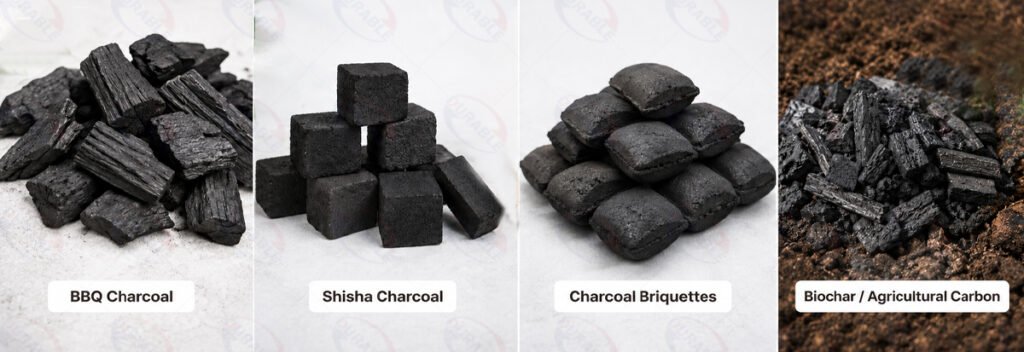
When carbonized material becomes more consistent, later production steps become easier to control.
BBQ Charcoal Production
For BBQ charcoal, buyers often care about burning time, smoke level, ash content, and appearance.
If carbonization quality varies too much, finished charcoal quality becomes unstable.
A square continuous furnace can help provide more consistent carbonized material for later crushing, forming, or packaging.
Shisha Charcoal Production
Shisha charcoal requires stable powder quality, density, strength, and burning performance.
If charcoal is unevenly carbonized, the final cubes or tablets may crack, burn unevenly, or fail to meet buyer expectations.
Stable carbonization helps improve the pressing stage.
Charcoal Briquette Production
Many plants use carbonized material as the base for charcoal briquettes.
After carbonization, charcoal may be crushed into powder, mixed with binder, pressed into shapes, dried, and packed.
If the carbonization stage is unstable, the powder quality and briquette strength may also become unstable.
For this stage, a Charcoal Crusher can help prepare charcoal powder before mixing and briquette pressing.
Biochar and Agricultural Carbon
For agricultural biochar, consistency is important because users may care about carbon content, ash content, and soil application performance.
A continuous process can help reduce variation when raw material and operating conditions are well controlled.
Is a Square Continuous Biomass Carbonization Furnace Always Better?
No.
A square continuous biomass carbonization furnace is powerful, but it is not the best answer for every project.
It is usually more suitable for medium and large commercial plants with stable raw material supply and clear production goals.
It may not be the best option for small producers who only produce occasionally.
| Project Situation | Better Direction | Reason |
|---|---|---|
| Small startup | Batch furnace | Lower investment and simple operation |
| Seasonal production | Batch furnace | Continuous operation may not be necessary |
| Raw material testing | Batch furnace | Easier to test different materials |
| Medium factory | Compare both options | Depends on daily capacity and ROI |
| Export charcoal plant | Square continuous furnace | Better quality stability and production planning |
| Shisha charcoal factory | Square continuous furnace | More stable powder preparation |
| Large biomass fuel plant | Square continuous furnace | Continuous output supports commercial production |
| Integrated charcoal briquette line | Square continuous furnace | Easier to connect with crushing and pressing |
The best way to decide is to calculate the full production requirement, not just the equipment price.
If your plant runs every day, has steady raw material, and needs stable charcoal output, a square continuous system may offer strong long-term value.
If your project is still in the testing stage, a batch system may be safer and more economical.
Common Mistakes When Buying a Square Continuous Furnace
Many buyers make mistakes because they focus only on furnace capacity or price.
A carbonization project is a complete system. The furnace is important, but it cannot solve every problem alone.
Mistake 1: Buying Only the Furnace Without Planning the Line
If the feeding, drying, cooling, or packaging system cannot match the furnace, the whole line may still run poorly.
A continuous furnace needs upstream and downstream equipment to work smoothly.
Mistake 2: Ignoring Raw Material Moisture
High-moisture material can reduce carbonization efficiency and cause unstable output.
Moisture should be tested before choosing the furnace and line design.
Mistake 3: Feeding Oversized Material
Large logs or oversized biomass cannot be fed directly into most continuous systems.
They should be chipped, crushed, or processed first.
Mistake 4: Comparing Only Theoretical Capacity
Theoretical capacity does not always equal real production capacity.
Actual output depends on material size, moisture, density, feeding stability, carbonization time, equipment condition, and operator skill.
Mistake 5: Ignoring Gas Treatment and Safety
Continuous carbonization involves combustible gas and high temperature.
Gas recovery, sealing, pressure control, cooling, and safety design should be considered from the beginning.
Mistake 6: Underestimating Downstream Capacity
Producing more charcoal also requires enough cooling, crushing, storage, pressing, drying, or packaging capacity.
If these parts are too small, the furnace output cannot be fully used.
What Affects Square Continuous Biomass Carbonization Furnace Price?
The price of a Square Continuous Biomass Carbonization Furnace depends on more than the furnace body.
A complete quotation may include feeding equipment, furnace structure, gas recycling, cooling discharge, dust treatment, control system, conveyors, installation guidance, and spare parts.
| Price Factor | Why It Matters |
|---|---|
| Required Capacity | Higher output requires larger furnace and stronger systems |
| Raw Material Type | Different materials require different feeding and heating designs |
| Moisture Content | High-moisture material may require drying equipment |
| Feed Size | Oversized material may require chipping or crushing |
| Furnace Structure | Affects durability, heating stability, and service life |
| Gas Recycling System | Improves energy use but adds system complexity |
| Cooling Discharge System | Important for safe continuous output |
| Dust and Smoke Treatment | Helps meet project environmental requirements |
| Control System | PLC monitoring improves operation stability |
| Conveyor Layout | Affects automation and labor requirement |
| Spare Parts Package | Helps reduce downtime after installation |
| Shipping and Installation | Affects total delivered investment |
Buyers should not ask only:
How much is the furnace?
A better question is:
What complete configuration do I need for my raw material, capacity, and final charcoal product?
A low-priced furnace may become expensive if it does not match your raw material or requires frequent downtime.
A well-matched system may cost more at the beginning but provide better long-term value through stable output, lower labor, better charcoal quality, and smoother downstream production.
How to Maintain a Square Continuous Carbonization Furnace
A square continuous biomass carbonization furnace works under high temperature and long operating hours.
Preventive maintenance is important for safety, output stability, and equipment life.
Key maintenance points include:
- Check the feeding system regularly.
- Keep moving parts lubricated according to the maintenance schedule.
- Inspect sealing areas at the inlet and outlet.
- Monitor temperature changes during operation.
- Check gas recovery and treatment pipelines.
- Clean tar, wood vinegar, and condensation areas when needed.
- Inspect the cooling discharge system.
- Keep raw material size and moisture stable.
- Check the control cabinet and sensors.
- Train operators on correct startup and shutdown procedures.
- Avoid unsafe sudden stops during high-temperature operation.
Maintenance should be planned, not only done after problems appear.
If feeding becomes unstable, gas pipelines become blocked, or sealing parts fail, the system may lose efficiency or stop production.
Good maintenance helps improve:
- Furnace safety
- Carbonization consistency
- Energy utilization
- Equipment life
- Charcoal quality
- Long-term operating cost
How to Choose the Right Square Continuous Furnace
Choosing the right furnace starts with your real production conditions.
Do not start by asking for the largest model. Start by clarifying your raw material, target output, final product, working hours, and factory layout.
Before requesting a quotation, prepare the following information:
- Raw material type
- Raw material moisture
- Maximum raw material size
- Required hourly or daily output
- Final charcoal product
- Working hours per day
- Available factory space
- Local fuel and electricity conditions
- Environmental requirements
- Downstream process
- Budget range
- Future expansion plan
Use this table as a selection guide.
| Production Goal | Recommended Direction |
|---|---|
| Small charcoal workshop | Batch furnace may be more suitable |
| Growing charcoal producer | Compare batch and square continuous systems |
| BBQ charcoal factory | Square continuous system with downstream processing |
| Shisha charcoal producer | Square continuous system for stable charcoal powder |
| Biomass briquette carbonization | Square continuous furnace with briquette preparation |
| Biochar production | Square continuous system with material control |
| Export charcoal plant | Square continuous system for stable quality and output |
A reliable supplier should not recommend equipment only by capacity.
They should evaluate your material, moisture, size, capacity, factory layout, downstream equipment, environmental needs, and investment budget before proposing a system.
How to Choose a Reliable Supplier
Buying a Square Continuous Biomass Carbonization Furnace is different from buying a simple machine.
You are buying a system that involves heat transfer, feeding, sealing, gas recovery, cooling, discharge, safety, and downstream production.
Before choosing a supplier, check the following points.
| Supplier Factor | What You Should Check | Why It Matters |
|---|---|---|
| Manufacturing Ability | Workshop, welding quality, furnace structure, assembly process | Affects durability and operating stability |
| Material Selection | Heat-resistant steel, sealing materials, insulation design | Helps protect the furnace under high temperature |
| Process Design Ability | Feeding, drying, carbonization, cooling, gas recycling, dust treatment | Ensures the full line works smoothly |
| Safety Design | Pressure control, gas handling, sealing, emergency protection | Reduces operating risk |
| Environmental Support | Smoke treatment, dust collection, gas recycling options | Helps meet project requirements |
| Spare Parts Support | Seals, bearings, drive parts, feeding parts, control components | Reduces future downtime |
| Export Experience | Packing, shipping, documentation, installation guidance | Reduces international purchase risk |
| Customization Ability | Layout, conveyors, feeding systems, discharge systems | Helps match your factory site |
A good supplier should first understand your project.
Then they should recommend a practical furnace configuration and production line layout.
For B2B buyers, this engineering support is often more important than a small price difference.
Buyer Self-Check List Before Requesting a Quote
Before contacting a supplier, prepare your basic project information.
This helps engineers recommend the right equipment instead of guessing your needs.
Use this checklist:
- What biomass material will you process?
- Is the material wood chips, sawdust, rice husk, coconut shell, bamboo, palm shell, or briquette?
- What is the average moisture content?
- What is the maximum material size?
- Is the material clean or mixed with impurities?
- What hourly or daily charcoal output do you need?
- What is the final product: BBQ charcoal, shisha charcoal, biochar, industrial carbon, or fuel?
- Do you need upstream chipping, crushing, drying, screening, or briquetting?
- Do you need downstream crushing, mixing, pressing, drying, packaging, or storage?
- What fuel or energy source is available for startup?
- What environmental requirements must the project meet?
- How many hours per day will the plant operate?
- Which country will the equipment be installed in?
- What factory space is available?
- Do you have a future expansion plan?
The more complete your project information is, the more accurate the equipment selection and quotation will be.
Frequently Asked Questions
What is a Square Continuous Biomass Carbonization Furnace?
A Square Continuous Biomass Carbonization Furnace is a carbonization system designed for continuous feeding, continuous biomass carbonization, and continuous charcoal discharge. It is commonly used for commercial biomass charcoal and biochar production projects.
What raw materials can it process?
It can process prepared biomass materials such as wood chips, sawdust, rice husks, coconut shells, palm kernel shells, bamboo chips, agricultural residues, and biomass briquettes. Large logs usually need chipping or crushing first.
Is it suitable for small charcoal workshops?
Not always. Small or seasonal producers may achieve better investment control with a batch furnace. A square continuous furnace is usually more suitable for medium and large plants with steady raw material supply and daily production needs.
Can it improve charcoal quality?
Yes, when raw material size and moisture are well controlled. Continuous feeding, stable heating, and controlled discharge can help reduce quality variation compared with repeated batch production.
Does the furnace require raw material drying?
It depends on the moisture content. High-moisture materials usually need drying before carbonization because excess moisture can reduce furnace temperature, increase energy demand, and affect charcoal quality.
Final Thoughts
The Square Continuous Biomass Carbonization Furnace is designed for biomass producers who want more stable, continuous, and commercial-scale charcoal production.
It is especially useful when a plant needs:
- Continuous feeding and discharge
- Higher daily output
- More stable charcoal quality
- Lower manual handling
- Better energy utilization
- Easier connection with downstream processing
- More predictable production planning
However, it is not the right choice for every project.
If your production is small, seasonal, or still in the testing stage, a batch furnace may be more practical.
If your plant has stable raw material supply, daily production demand, export quality requirements, and long-term expansion plans, a square continuous carbonization furnace may offer stronger value.
Before purchasing, do not focus only on equipment price.
A successful project should match the furnace with raw material preparation, moisture control, feeding, gas recycling, cooling, downstream processing, factory layout, and environmental requirements.
When the system is properly designed, the Square Continuous Biomass Carbonization Furnace can become the core equipment for a reliable biomass charcoal production line.
About DURABLE
DURABLE supplies biomass carbonization equipment and complete biomass processing solutions for charcoal producers, biomass fuel manufacturers, agricultural processing companies, and industrial energy projects.
Rather than recommending equipment based only on capacity, our engineering team evaluates your raw materials, production goals, factory layout, downstream process, environmental requirements, and investment budget before proposing a suitable solution.
Whether you are upgrading from a traditional batch furnace or planning a new square continuous biomass carbonization line, DURABLE can help you design a practical system that balances productivity, operating cost, product quality, and long-term business growth.
If you want to review more equipment categories before planning your line, you can browse our Products page. To learn more about DURABLE’s manufacturing and project support, visit About DURABLE.
If you want a detailed quotation and technical proposal, please send our engineering team your raw material type, average moisture content, maximum material size, required charcoal output, final product use, project country, and environmental requirements.
DURABLE will help you design a suitable Square Continuous Biomass Carbonization Furnace solution based on your real production needs.