 Durable Machinery
Get Price
Why Some Block Factories Make More Profit Without Expanding
Two concrete block factories can use similar machines, similar raw materials, and even serve the same local market. Yet one factory may earn much higher profit than the other.
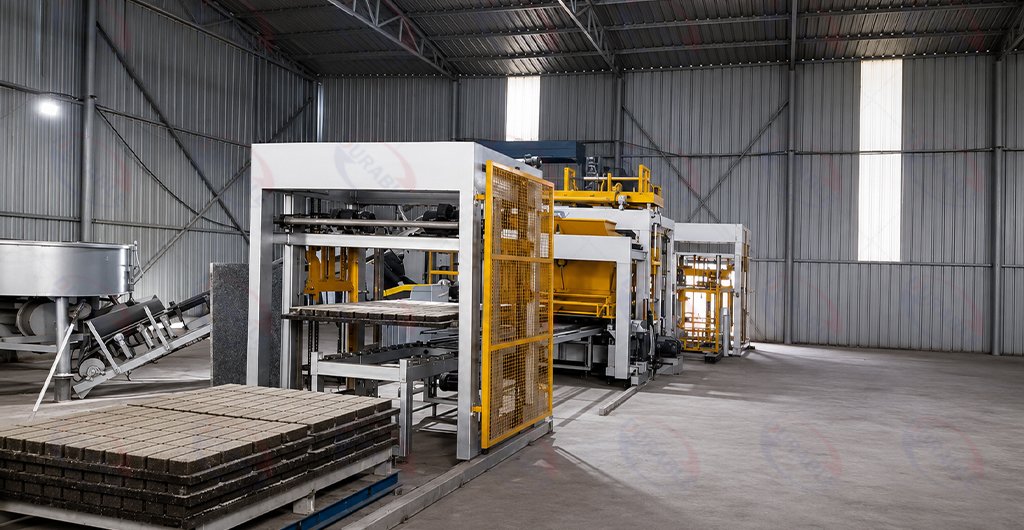
The difference usually does not come from producing more blocks alone. Instead, it comes from better product choices, lower rejection rates, controlled material costs, efficient equipment use, and stronger factory management.
This article explains why some block factories outperform competitors and how a factory can improve profit without simply buying the largest machine available.
High-Profit Factories Focus on Value, Not Just Volume
Many new investors believe that higher production automatically means higher profit.
In reality, producing more blocks only helps when those blocks can be sold quickly and at a healthy margin.
A factory producing large volumes of low-margin blocks may earn less than a smaller factory producing better-value products with fewer rejects.
Successful manufacturers ask a better question:
How much profit does each production shift generate?
That question changes the way they manage products, raw materials, equipment, labor, curing, delivery, and customers.
Instead of chasing maximum output, they focus on saleable output, stable quality, and profitable orders.
They Choose Products with Better Margin Potential
Not every concrete block product has the same profit potential.
Factories that only produce ordinary hollow blocks often compete mainly on price. In crowded markets, this can reduce margins quickly.
More profitable factories usually add products that solve different customer needs.
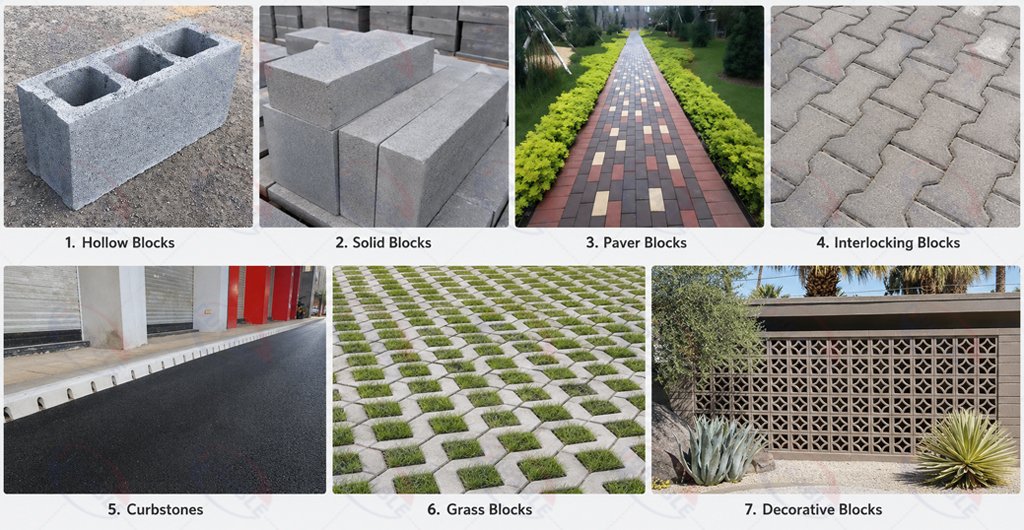
| Product | Margin Potential | Typical Customers |
|---|---|---|
| Hollow Blocks | Medium | Residential construction |
| Solid Blocks | Medium | Industrial and general building |
| Paver Blocks | Medium to high | Roads, parking areas, landscaping |
| Interlocking Blocks | Medium to high | Pavements, yards, public spaces |
| Curbstones | Medium to high | Municipal and infrastructure projects |
| Grass Blocks | Specialized | Landscaping contractors |
| Decorative Blocks | Higher potential | Commercial and retail projects |
Product diversification also reduces risk.
If demand for one product slows, the factory can continue selling other products to contractors, municipal projects, landscapers, or distributors.
A suitable Concrete Block Machine can support different molds, but product expansion should still follow real market demand.
More molds do not automatically create profit. Each new product needs customers, storage space, correct material formulas, and a sales plan.
They Control Material Costs Without Sacrificing Quality
Raw materials account for a large part of concrete block production cost.
However, high-profit factories do not simply buy the cheapest cement, sand, or aggregates. Cheap materials can increase rejects, machine wear, customer complaints, and maintenance costs.
A better approach is material optimization.
Factories can improve cost control through:
- Stable mix designs
- Proper aggregate grading
- Moisture control
- Accurate batching
- Consistent mixing
- Material testing
- Supplier quality control
- Controlled cement use
Cement is often one of the largest variable costs. Reducing cement without testing may damage strength, so the goal is not to use the least cement possible.
Instead, the factory should develop a stable formula that meets product strength requirements at the lowest practical cost.
Some markets may also use stone dust, fly ash, slag, quarry fines, or other local materials. These options should be tested before regular production.
Good material control lowers cost while protecting block quality.
They Produce More Saleable Blocks
Machine capacity means little if many finished blocks cannot be sold.
High-profit factories monitor saleable output, not only theoretical production.
Rejected blocks still consume cement, aggregates, electricity, labor, pallets, curing space, and time. They also create extra handling work and may delay deliveries.
Common causes of rejected blocks include:
- Incorrect moisture
- Uneven feeding
- Poor vibration
- Unstable pressure
- Worn molds
- Weak curing
- Early handling
- Inconsistent material proportions
Reducing rejection often creates more profit than increasing machine speed.
A factory can improve saleable output by controlling mold accuracy, hydraulic pressure, vibration consistency, material moisture, mixing quality, pallet handling, and curing conditions.
Every rejected block represents lost profit.
They Use Automation Where It Creates Real Return
Automation should solve production problems, not create unnecessary investment.
Many profitable factories automate only the steps that provide measurable value. These may include batching, mixing, hydraulic forming, PLC control, pallet transfer, block stacking, or finished product handling.
Automation can help reduce:
- Labor dependence
- Human error
- Product variation
- Handling damage
- Production interruptions
- Data recording problems
Still, a fully automatic line only makes financial sense when market demand can use its capacity.
A partially automated factory running at high utilization may earn more than a fully automatic line operating far below capacity.
For this reason, the right level of automation matters more than the highest level of automation.
An Automatic Brick Making Machine can be valuable when daily orders are stable, labor costs are rising, and product consistency matters.
They Keep Equipment Running Efficiently
Production efficiency is one of the biggest differences between average and high-profit factories.
Many factories lose hours every week because of poor maintenance, long mold changes, material shortages, hydraulic failures, electrical problems, forklift delays, or weak production scheduling.
High-performing factories monitor equipment utilization before problems become serious.
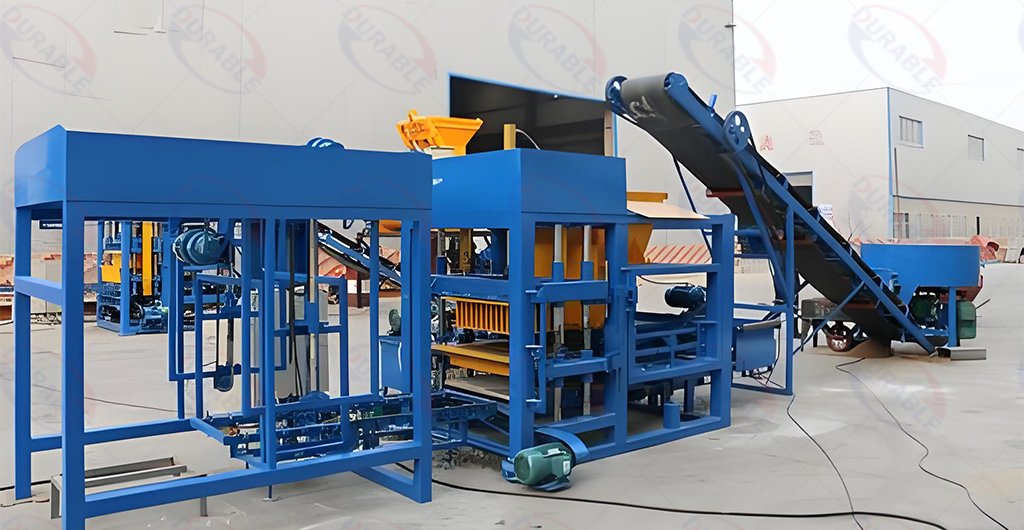
Preventive maintenance usually includes:
- Daily machine inspections
- Hydraulic oil checks
- Mold cleaning
- Lubrication
- Electrical inspections
- Conveyor checks
- Pallet inspection
- Scheduled replacement of wear parts
Maintenance should not be treated only as repair work.
It protects block quality, reduces downtime, improves delivery reliability, and helps the factory produce more saleable blocks from the same equipment.
A well-matched Hydraulic Brick Making Machine can improve forming consistency, but only when the full production process is properly maintained.
Factories depending on one or two large customers often face unstable cash flow.
High-profit manufacturers build a more balanced customer base.
Typical customer groups include:
- Building contractors
- Real estate developers
- Municipal contractors
- Infrastructure projects
- Building material distributors
- Landscaping companies
- Retail construction suppliers
Customer diversification reduces dependence on one project or one buyer.
In addition, long-term relationships lower marketing costs because repeat customers are easier to serve than new customers.
Reliable quality and on-time delivery can become stronger advantages than the lowest price.
They Track Production Costs with Real Data
Successful factory managers know where money is spent.
Instead of only checking monthly sales, they track production cost and factory performance regularly.
Useful KPIs include:
| Performance Indicator | Why It Matters |
|---|---|
| Cement Consumption | Controls one of the largest material costs |
| Electricity per Shift | Shows energy efficiency |
| Labor per 1,000 Blocks | Measures productivity |
| Reject Rate | Reflects product quality |
| Machine Utilization | Shows equipment efficiency |
| Maintenance Cost | Indicates reliability |
| Mold Life | Affects long-term cost |
| Delivery Cost | Controls logistics profit |
Small improvements can produce large results over time.
For example, better cement control, fewer rejects, and higher machine availability may improve profit more than simply increasing production volume.
Good factory management is built on accurate data.
Common Habits of Low-Profit Block Factories
Factories with poor profitability often share similar habits.
Competing Only on Price
Price competition quickly reduces profit margins.
A factory needs better quality, reliable delivery, product variety, or service value to avoid competing only as the cheapest supplier.
Producing Only One Product
Limited product variety increases dependence on one market.
If ordinary hollow blocks become too competitive, the factory may have no alternative revenue source.
Buying Oversized Equipment
A large machine running below capacity creates high investment cost without matching sales.
Capacity should match real orders, curing space, pallets, and working capital.
Ignoring Preventive Maintenance
Unexpected breakdowns interrupt production and delay delivery.
Poor maintenance also increases rejects and damages customer trust.
Weak Inventory and Cash Flow Control
Excess raw materials and finished products consume cash.
Slow customer payment can also reduce the factory’s ability to buy cement, maintain equipment, or accept new orders.
How to Build a Higher-Profit Block Factory
Long-term profitability depends on building an efficient production system.
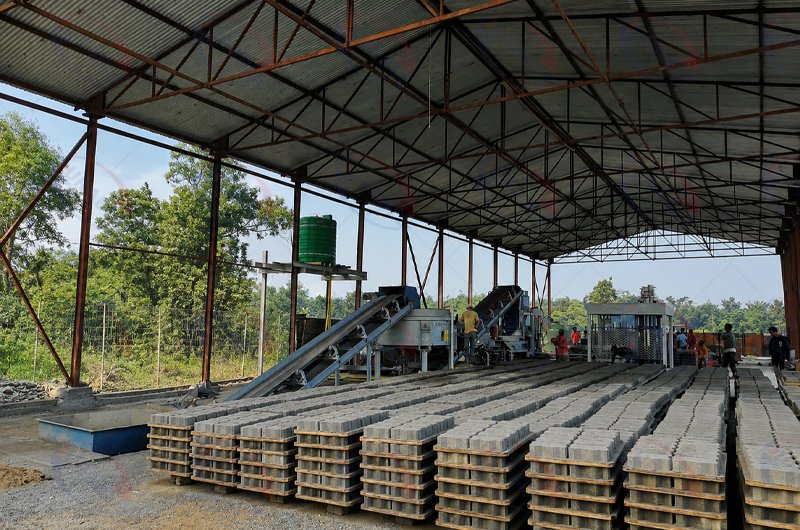
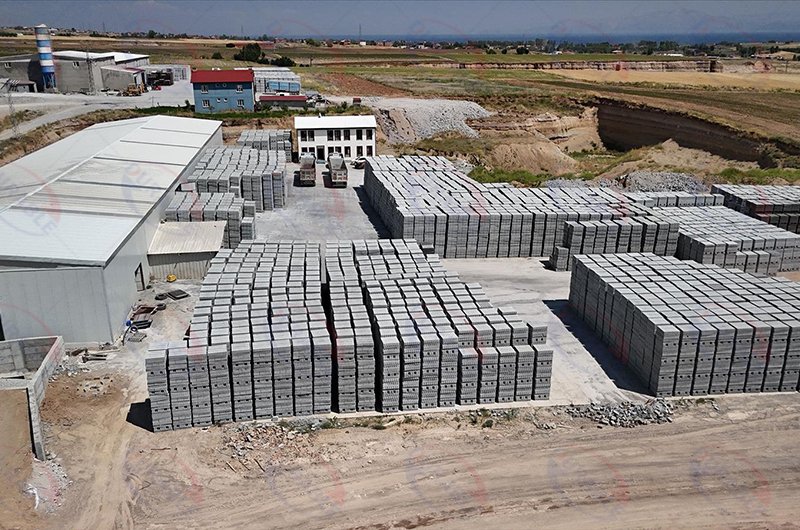
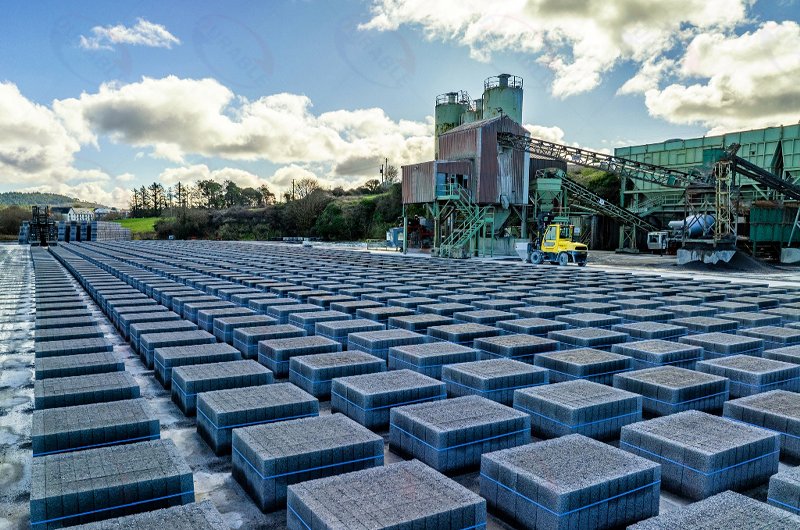
A successful concrete block factory usually combines:
- Reliable market demand
- Stable raw materials
- Suitable product mix
- Efficient factory layout
- Appropriate automation
- Flexible mold systems
- Skilled operators
- Preventive maintenance
- Quality control
- Diversified customers
- Daily performance tracking
When selecting equipment, look beyond machine capacity.
A complete production solution should include material handling, batching, mixing, forming, block transfer, curing, stacking, finished product storage, and loading.
An integrated production line improves efficiency because every stage is designed to support the next.
A wider Brick Making Machine comparison can also help buyers choose between hydraulic, automatic, mobile, and product-specific production directions.
Buyer Self-Check List
Before upgrading or investing in a block factory, prepare these details:
- What concrete block products do you plan to sell?
- Which products have the least local competition?
- What raw materials are available nearby?
- How stable are your cement and aggregate costs?
- What daily saleable output do you need?
- What rejection rate should be included?
- How many workers can you arrange?
- Do you need manual, semi-automatic, or automatic production?
- How much curing space is available?
- What is your local voltage and power condition?
- How far are your main customers?
- What is your investment range?
- Which country will the equipment be shipped to?
Clear project information helps the supplier recommend a practical solution instead of guessing from a machine model alone.
Frequently Asked Questions
Why are some block factories more profitable than others?
Higher-profit factories usually control material costs, reduce rejects, improve equipment utilization, produce better-margin products, and build stable customer relationships.
Does buying a larger block machine guarantee higher profit?
No. Profit depends on market demand, product mix, saleable output, operating cost, and equipment utilization. Oversized machines can reduce return if sales are weak.
Which concrete block products usually earn better margins?
Paver blocks, interlocking blocks, curbstones, and decorative blocks may offer better margins than ordinary hollow blocks, depending on local demand.
How can a factory reduce production costs?
Improve raw material control, optimize batching, reduce cement waste, maintain equipment, lower rejection rates, and monitor daily production data.
Is automation always profitable?
No. Automation is most useful when production volume, labor cost, customer demand, curing space, and management ability justify the investment.
Final Thoughts
Some block factories earn higher profits because they manage the whole business better.
They do not rely only on machine size or theoretical output. Instead, they focus on product value, saleable blocks, cost control, customer stability, and equipment utilization.
Better machines can help, but factory management decides whether that equipment creates profit.
A profitable concrete block factory should match local demand, raw materials, product mix, automation level, curing capacity, labor conditions, and long-term growth plans.
The goal is not to produce the most blocks. It is to produce the right blocks, at the right cost, for the right customers.
About DURABLE
DURABLE provides concrete block manufacturing solutions for new factories and existing production line upgrades.
Our team helps customers plan production flow, select suitable equipment, match molds, improve factory efficiency, and reduce unnecessary operating costs.
A high-profit block factory is not built around one machine alone. Materials, batching, mixing, forming, curing, maintenance, delivery, and customer demand must work together.
Please contact DURABLE with your target products, raw materials, required output, voltage, factory conditions, and project country to receive a practical concrete block production solution.