 Durable Machinery
How to Design an Efficient Concrete Block Factory Layout
1827Learn how to design a concrete block factory layout for production flow, curing, storage, traffic routes, utilities, and expansion.
View detailsSearch the whole station liberty-fse
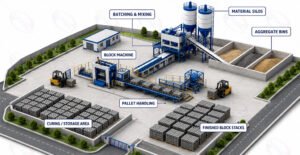
Learn how to design a concrete block factory layout for production flow, curing, storage, traffic routes, utilities, and expansion.
View details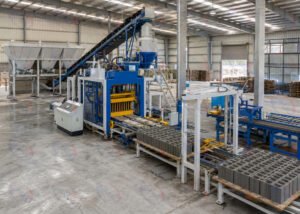
A small concrete block factory may operate on about 1,000–2,500 m², while a medium automatic plant often needs around 3,000–6,000 m². A large industrial block factory may require 8,000–20,000 m² or more, depending on output, curing m...
View details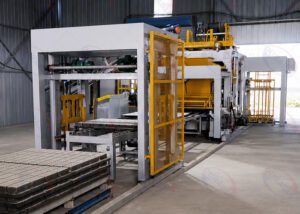
Two concrete block factories can use similar machines, similar raw materials, and even serve the same local market. Yet one factory may earn much higher profit than the other. The difference usually does not come from producing more blocks alone. ...
View details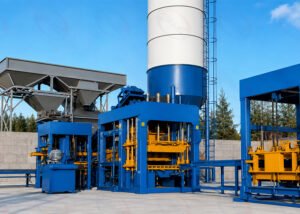
Building a concrete block factory involves more than buying a block machine. A successful factory needs market demand, reliable raw materials, practical layout, suitable equipment, enough curing space, and a production flow that reduces unnecessar...
View details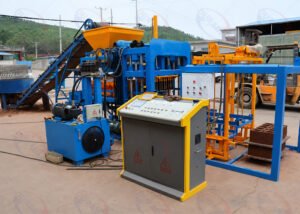
A concrete block business can still be profitable in 2026, but profit is not guaranteed by construction demand alone. Successful factories usually combine affordable materials, realistic capacity, low rejection rates, short delivery distance, and ...
View details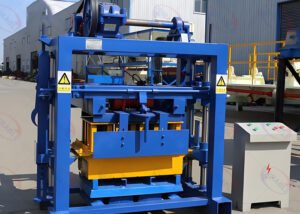
Choosing a hydraulic brick making machine is not only about pressure, motor power, or hourly output. The right machine must match your block type, local materials, daily demand, automation level, curing plan, and investment budget. Many buyers sta...
View details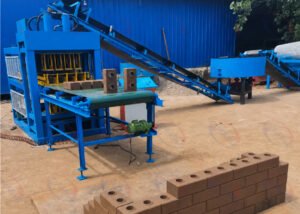
Consistent block quality is one of the most important requirements in commercial brick production. Buyers expect blocks from the first shift and the last shift to have similar dimensions, density, strength, cavity shape, edge definition, and surfa...
View details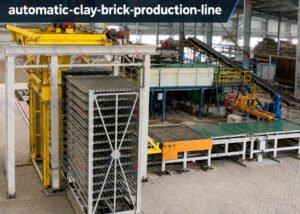
Many clay brick factories lose money through production defects rather than weak market demand. Cracked green bricks, uneven dimensions, poor drying, weak fired products, chemical defects, and excessive fuel use can reduce saleable output even whe...
View details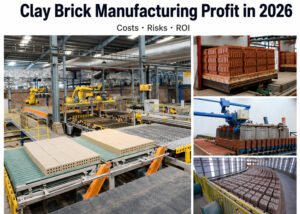
Clay brick manufacturing can still be profitable in 2026, but success depends on more than construction demand. Profitable factories usually combine affordable clay, controlled fuel costs, efficient production, stable product quality, and a nearby...
View details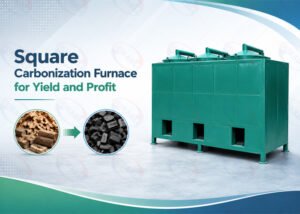
When biomass producers consider upgrading carbonization equipment, one question usually comes first: Will a Square Continuous Biomass Carbonization Furnace make my charcoal business more profitable? The answer often depends on production scale, ra...
View details